How to Choose the Right Massage Technique for Chronic Pain Management in Alberta
Chronic pain can be debilitating, affecting every aspect of life. For many individuals in Alberta, finding effective relief is a paramount concern. One approach that has gained popularity for managing chronic pain is massage therapy. However, with various techniques available, how do you choose the right one for your specific needs? This comprehensive guide will explore the different massage techniques suited for chronic pain management, helping residents of Calgary and Edmonton make informed decisions.
Understanding Massage Therapy for Chronic Pain Management
What is it?
Massage therapy involves manipulating the body’s soft tissues, including muscles, tendons, and ligaments, to promote relaxation and alleviate pain. Various techniques exist, each tailored to address different conditions, including chronic pain.
How it works
Massage therapy affects the body’s physiological systems. By applying pressure to specific areas, it can enhance circulation, reduce muscle tension, and stimulate the nervous system, which collectively contribute to pain relief and improved overall well-being.
Who it's for
Massage therapy can benefit individuals suffering from various chronic pain conditions, including fibromyalgia, arthritis, lower back pain, and migraines. Those looking for alternative therapies to complement traditional treatments may also find value in massage.
Key benefits
- Pain Reduction: Helps alleviate chronic pain through muscle relaxation and increased blood flow.
- Improved Mobility: Enhances flexibility and range of motion in affected areas.
- Stress Relief: Promotes relaxation, reducing anxiety and stress that can exacerbate pain.
- Enhanced Recovery: Aids in recovery from injuries and reduces muscle soreness.
Types of Massage Techniques for Chronic Pain
1. Deep Tissue Massage
Deep tissue massage uses firm pressure and slow strokes to target deeper layers of muscle and connective tissue.
How it works: This technique focuses on realigning deeper muscle layers and connective tissue.
Who it's for: Ideal for individuals with chronic muscle tension, postural issues, or injuries.
Key Benefits:
- Alleviates chronic pain and muscle tension
- Reduces inflammation
- Improves blood circulation
What to Expect: A typical session lasts 60-90 minutes, and you may experience some discomfort, especially if you're sensitive to pressure.
Contraindications: Avoid if you have certain medical conditions, such as fractures or severe osteoporosis.
2. Swedish Massage
Swedish massage is characterized by long, gliding strokes, kneading, and circular movements on the topmost layers of muscles.
How it works: This technique promotes overall relaxation and enhances blood circulation.
Who it's for: Suitable for those looking for relaxation and stress relief, but it may also help with mild chronic pain.
Key Benefits:
- Reduces stress and promotes relaxation
- Increases circulation
- Eases muscle tension
What to Expect: Sessions typically last 60 minutes and are generally gentler compared to deep tissue massage.
Contraindications: Not recommended for individuals with severe pain or injuries.
3. Trigger Point Therapy
Trigger point therapy focuses on specific areas of tight muscle fibers that form in your muscles after injuries or overuse.
How it works: The therapist applies pressure directly to the trigger points to alleviate pain.
Who it's for: Beneficial for people with localized muscle pain or tension.
Key Benefits:
- Provides targeted pain relief
- Releases muscle knots
- Improves flexibility
What to Expect: Sessions may last 30-60 minutes, focusing on specific areas of discomfort.
Contraindications: Should be avoided by individuals with acute injuries or infections in the area.
4. Myofascial Release
Myofascial release involves applying gentle sustained pressure to the connective tissue, known as fascia, to eliminate pain and restore motion.
How it works: It helps release tension within the fascia that surrounds muscles.
Who it's for: Ideal for those with chronic pain conditions related to fascial tension, such as fibromyalgia.
Key Benefits:
- Alleviates chronic pain
- Increases mobility
- Enhances overall body function
What to Expect: Sessions can last 60-90 minutes and may involve slow, gentle stretching of the fascia.
Contraindications: Not recommended for individuals with significant acute injuries.
Choosing a Qualified Practitioner in Alberta
Understanding RMT Regulations
In Alberta, Registered Massage Therapists (RMTs) must undergo extensive training and certification. The practice is regulated to ensure high standards of care. When seeking a massage therapist, it’s essential to check if they are registered, as RMTs are equipped to handle more complex pain conditions.
Finding Practitioners in Calgary and Edmonton
When searching for massage therapy in Calgary or Edmonton, consider the following:
- Qualifications: Look for RMT credentials and relevant experience in pain management.
- Specializations: Some therapists specialize in techniques like deep tissue, myofascial release, or trigger point therapy.
- Reviews and Referrals: Seek recommendations from friends, family, or healthcare professionals, and read online reviews.
What to Expect During Your First Session
- Duration: Most sessions last between 60-90 minutes.
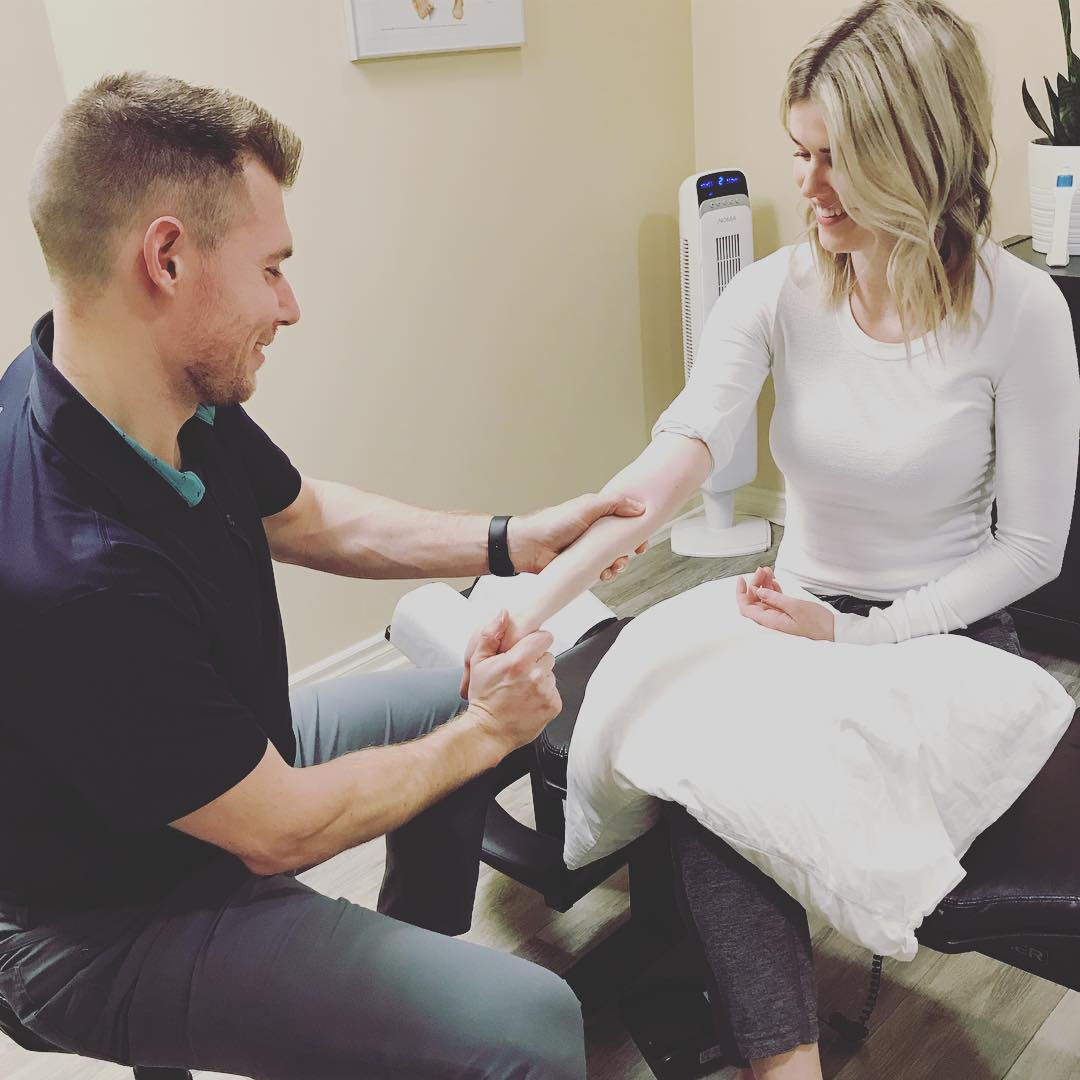
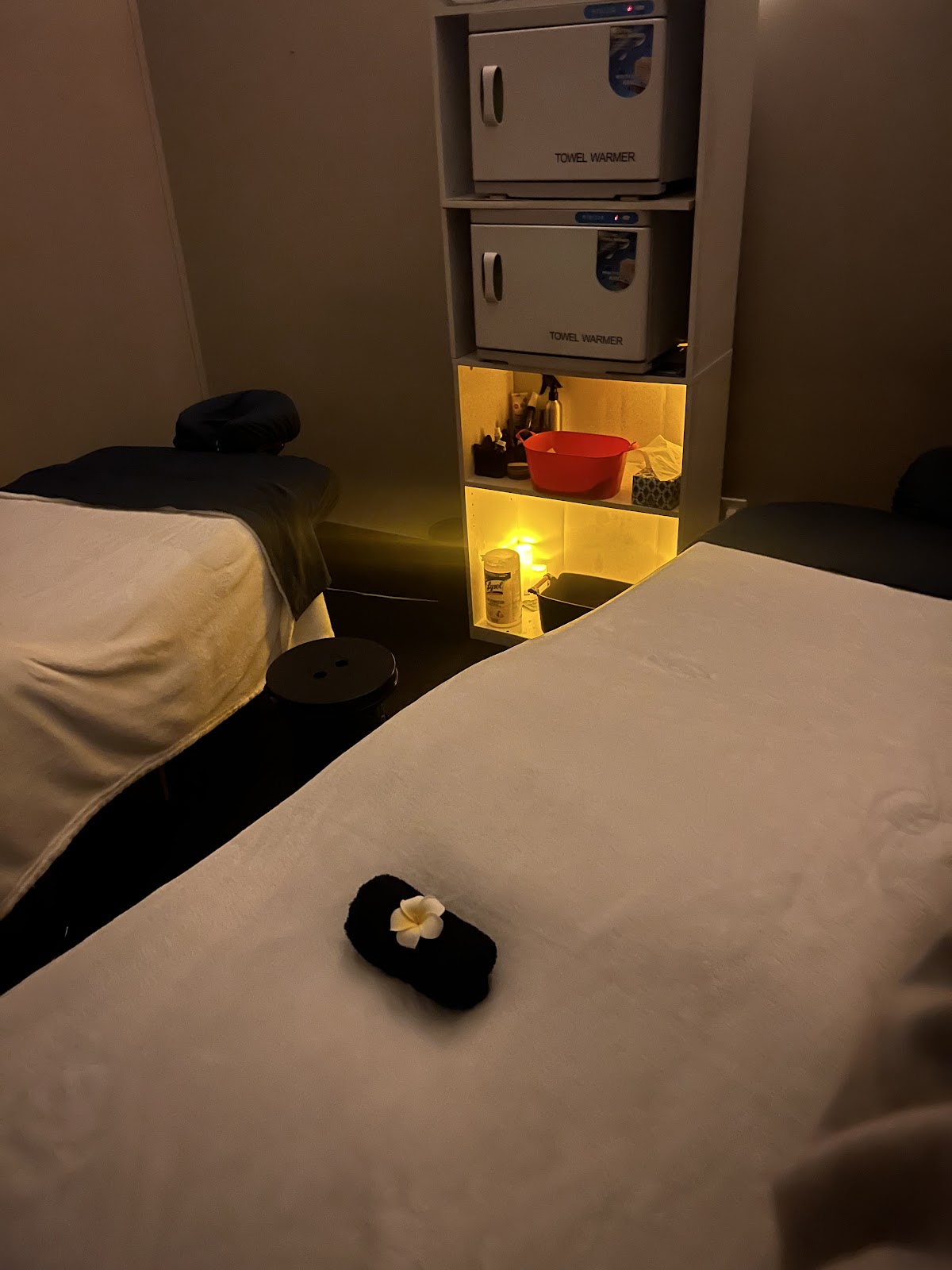
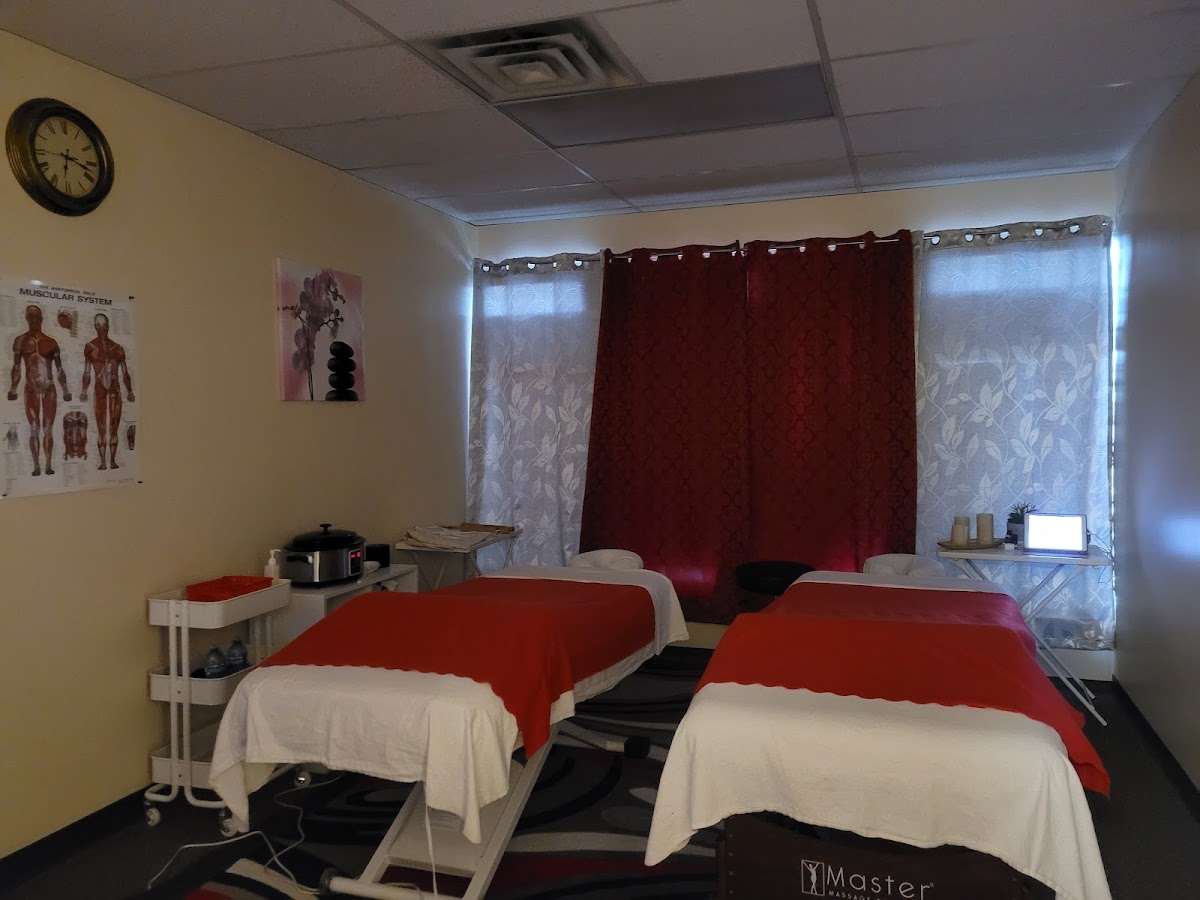
- Positioning: You will typically lie on a massage table, covered with a sheet for privacy.
- Communication: Discuss your pain concerns, preferred pressure, and any contraindications with your therapist.
Aftercare and Considerations
Post-massage, it’s vital to stay hydrated and rest. Some individuals may experience mild soreness, but this should subside within a day or two. If pain persists or worsens, consult your healthcare provider.
Conclusion
Choosing the right massage technique for chronic pain management can significantly enhance your quality of life. By understanding the various techniques and