How to Effectively Incorporate Myofascial Release Techniques in Alberta
Myofascial release (MFR) is a therapeutic technique that has been gaining traction in the wellness community, particularly among massage therapists in Alberta. As Alberta residents increasingly seek holistic approaches to manage pain and enhance overall well-being, understanding how to effectively incorporate MFR techniques into massage therapy practices becomes paramount. This article aims to serve as both a comprehensive guide and an educational resource for practitioners in Calgary and Edmonton, offering insights into the principles of MFR, its benefits, and practical strategies for implementation.
Understanding Myofascial Release Techniques
What is Myofascial Release?
Myofascial release is a manual therapy technique that focuses on relieving tension and restrictions in the fascia, a connective tissue that surrounds muscles, organs, and nerves. This therapy aims to restore mobility and alleviate pain by applying gentle sustained pressure to the fascia, thereby promoting its elasticity and facilitating the release of myofascial tension.
How It Works
The primary mechanism of myofascial release involves the application of slow, gentle pressure to specific areas of restriction. This pressure encourages the fascia to relax and elongate, ultimately reducing pain and improving movement. The technique also stimulates the body's autonomic nervous system, promoting relaxation and enhancing circulation, which can aid in the healing process.
Who It's For
Myofascial release is beneficial for a diverse range of individuals, particularly those experiencing:
- Chronic pain: Conditions like fibromyalgia, arthritis, or chronic back pain can be effectively managed with MFR.
- Muscle tension: Athletes or active individuals may benefit from MFR to alleviate tightness and improve flexibility.
- Post-injury recovery: MFR can assist in rehabilitation by addressing scar tissue and facilitating better movement patterns.
Key Benefits
The advantages of myofascial release are numerous and include:
- Pain reduction: Alleviates chronic pain and discomfort.
- Increased flexibility: Enhances range of motion and mobility.
- Improved circulation: Promotes better blood flow and oxygenation to tissues.
- Stress relief: Encourages relaxation by activating the parasympathetic nervous system.
- Enhanced performance: Supports athletic performance by improving muscle function and reducing the risk of injury.
The Science Behind Myofascial Release
Myofascial release techniques are rooted in an understanding of human anatomy and physiology. The fascia is a dynamic tissue that can become restricted due to various factors, including injury, inflammation, or repetitive motions. When the fascia tightens, it can lead to pain, decreased mobility, and even dysfunction in nearby muscles and organs.
Research indicates that myofascial release can stimulate the body's healing processes by improving blood flow, releasing endorphins, and promoting the reorganization of connective tissues. This process can enhance the body’s natural ability to heal and adapt, making MFR a valuable tool for practitioners in Alberta’s wellness landscape.
Integrating Myofascial Release Techniques in Alberta
Understanding Local Context
Understanding the unique needs of Albertans is crucial when incorporating myofascial release techniques into practice. Alberta's climate, characterized by cold winters and active summer lifestyles, can contribute to muscle tension and discomfort. Additionally, the province's emphasis on outdoor activities and sports means that many residents may seek therapeutic interventions to support their active lifestyles.
Regulations and Certification
In Alberta, massage therapy is regulated, and practitioners are required to be registered with the College of Massage Therapists of Alberta (CMTA). This ensures that clients receive safe, effective treatment. Registered Massage Therapists (RMTs) are trained in various modalities, including myofascial release. It’s essential for practitioners to seek appropriate training and certification in MFR to ensure they can provide effective treatments while adhering to provincial regulations.
Practical Strategies for Implementation
1. Assessing Client Needs
Before integrating myofascial release techniques, it is essential to conduct a thorough assessment of each client. This includes understanding their medical history, pain patterns, and any specific areas of concern. Tailoring the treatment to meet individual needs will enhance client outcomes and satisfaction.
2. Incorporating MFR Techniques into Sessions
When performing myofascial release, consider the following techniques:
- Gentle sustained pressure: Apply gentle pressure to specific areas of tension, allowing the fascia to release gradually over time.
- Stretching: Incorporate gentle stretches to enhance mobility and further facilitate the release of myofascial restrictions.
- Breathwork: Encourage clients to focus on their breathing during sessions, as deep breaths can promote relaxation and enhance the effectiveness of MFR.
3. Duration and Positioning
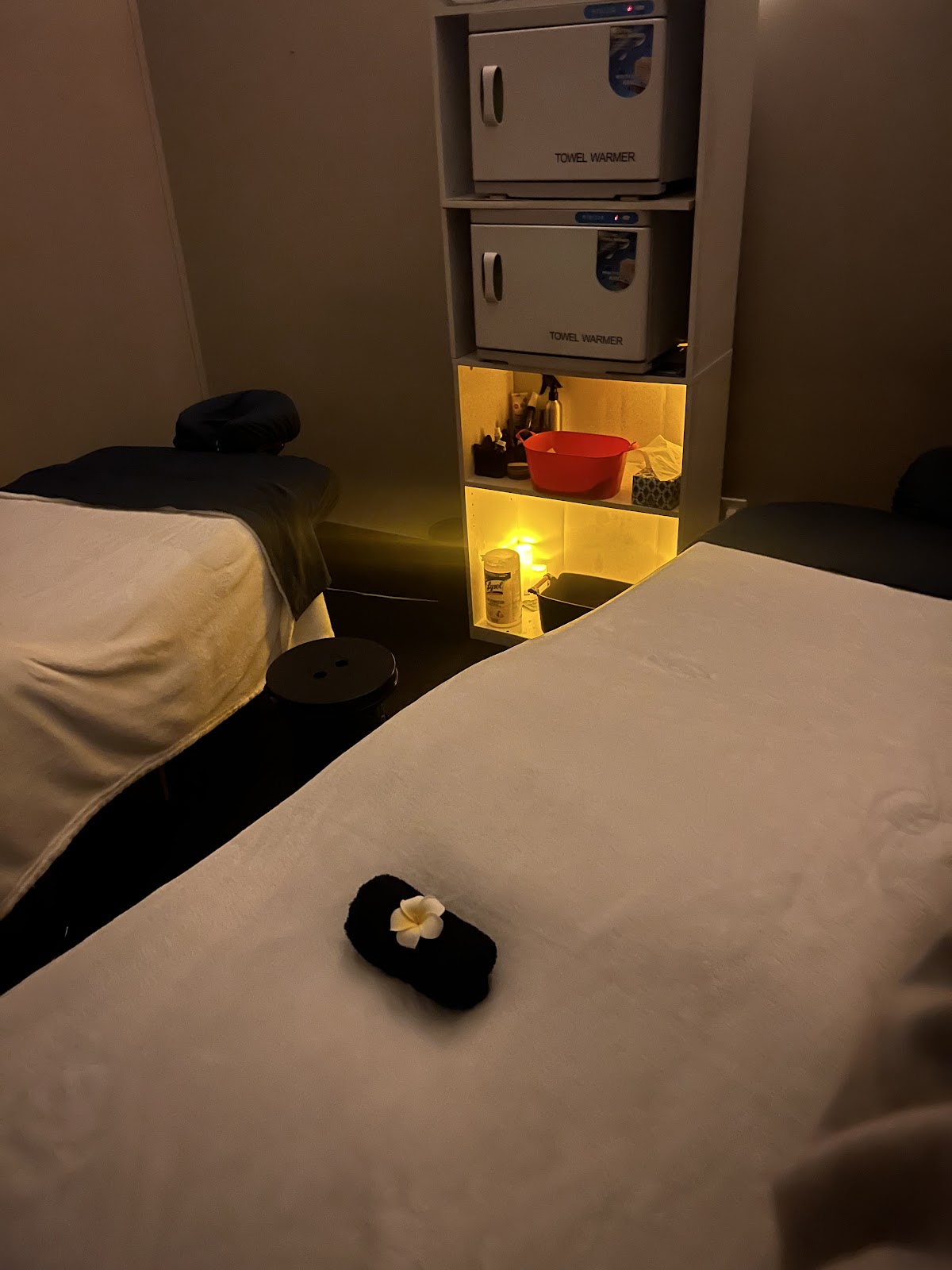
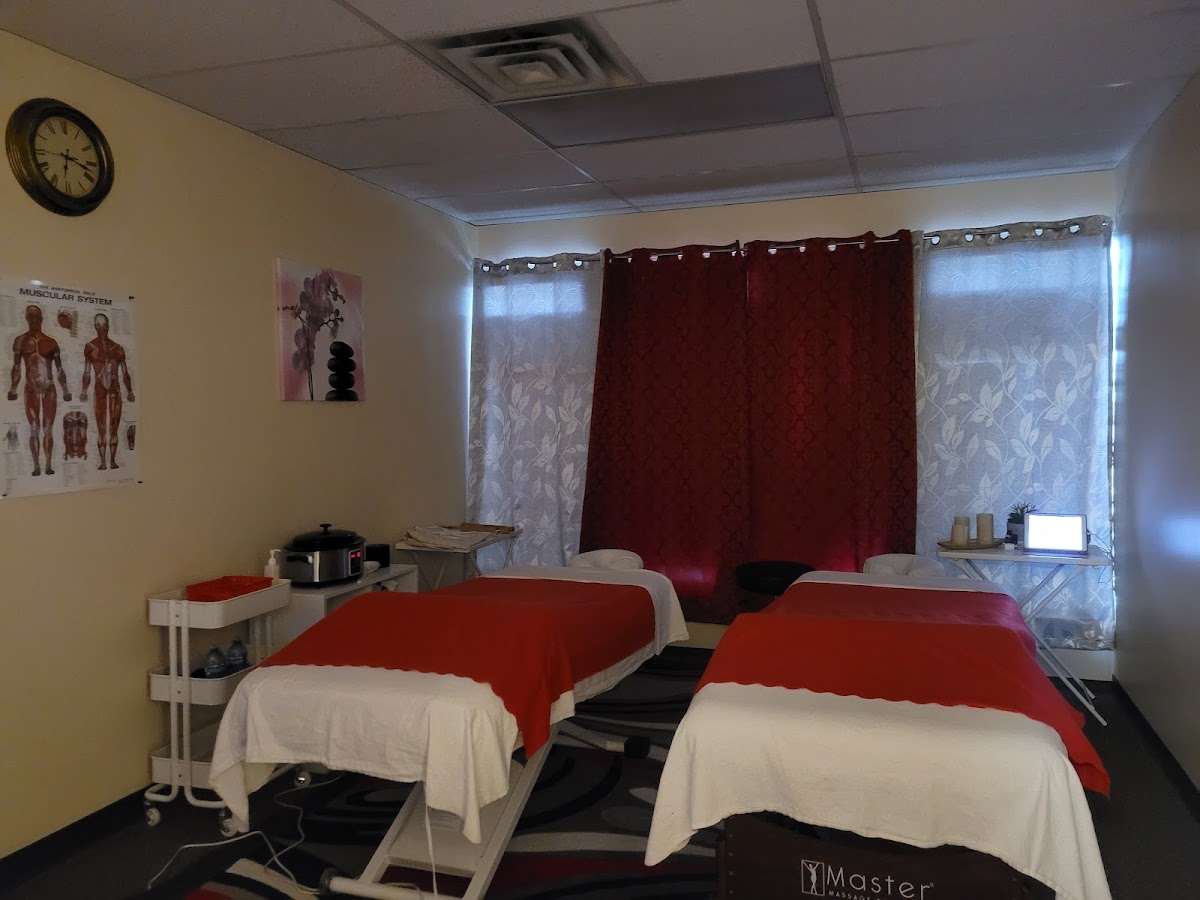
A typical myofascial release session lasts between 60 to 90 minutes. Clients may lie on a massage table or sit in a comfortable position, depending on the area being treated. It’s crucial to create a relaxing environment, using soft lighting and calming music to enhance the therapeutic experience.
What to Expect During a Myofascial Release Session
Clients should be informed about what to expect during their first myofascial release session:
- Initial consultation: A thorough discussion about medical history and specific concerns will take place.
- Assessment: The therapist will assess areas of tension and restriction.
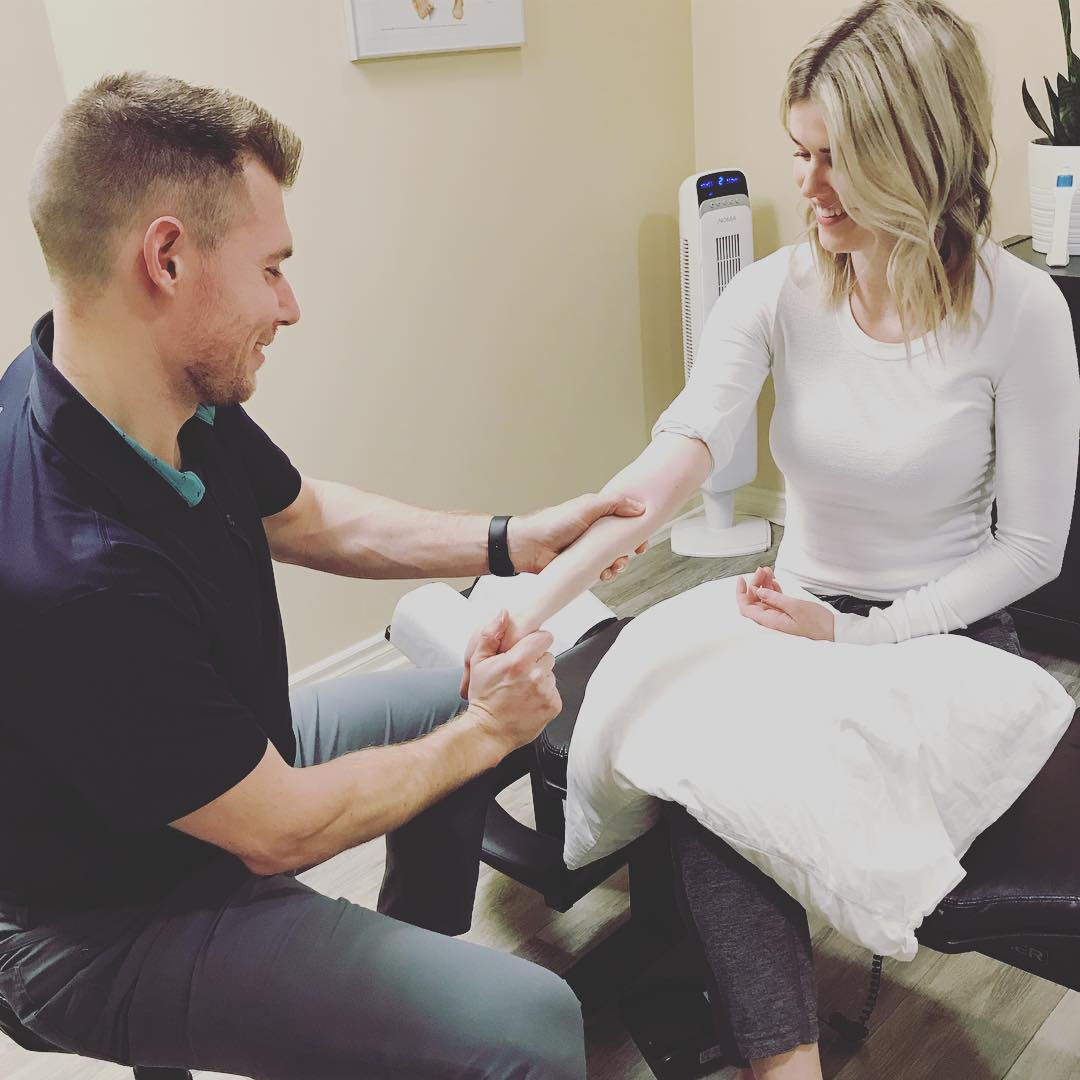
- Technique application: The therapist will apply gentle pressure to specific areas, guiding clients through the experience.
- Feedback: Clients are encouraged to communicate any discomfort or concerns during the session.
Aftercare and Follow-Up
After a myofascial release session, clients may experience temporary soreness, similar to post-exercise muscle soreness. It’s essential to provide aftercare recommendations, such as:
- Hydration: Encourage clients to drink plenty of water to help flush out toxins released during the session.
- Gentle movement: Recommend light stretching or walking to enhance circulation and mobility.
- Follow-up sessions: Discuss the need for follow-up sessions to maintain progress and address any ongoing issues.
Comparing Myofascial Release to Other Massage Techniques
While myofascial release shares some similarities with other massage techniques, it is distinct in its approach and focus:
- Deep Tissue Massage: Focuses on deeper layers of muscle and connective tissue, often using firmer pressure compared to MFR, which emphasizes gentle sustained pressure.
- Swedish Massage: Utilizes lighter strokes and is primarily aimed at relaxation, whereas MFR targets specific fascial restrictions.
- Thai Massage: Involves assisted stretches and is more dynamic, while MFR is generally stationary and focused on gentle pressure.
Common Misconceptions About Myofascial Release
Misconception 1: Myofascial Release is Only for Athletes
While athletes may benefit significantly from MFR, it is suitable for anyone experiencing muscle tension or pain, regardless of their activity level.
Misconception 2: MFR is Painful
Many clients believe that effective treatment must be painful. However, myofascial release should be a gentle process that promotes relaxation and relief without causing discomfort.
Misconception 3: One Session is Enough
While a single session can provide relief, ongoing treatment is often necessary to address chronic issues effectively and maintain results.
Conclusion
Incorporating myofascial release techniques into massage therapy practices in Alberta offers a unique opportunity to enhance client outcomes and respond to the specific needs of local residents. By understanding the principles of MFR, its benefits, and how to effectively implement it, practitioners can provide valuable services that promote wellness and improve quality of life.
As you explore ways to integrate MFR into your practice, remember to prioritize client comfort, assess individual needs, and maintain open communication. The journey towards effective myofascial release can lead to profound transformations in your clients’ physical health and overall well-being.
When searching for myofascial release services in Calgary or Edmonton, look for certified practitioners who specialize in this technique to ensure a safe and effective experience. Embrace the potential of myofascial release to support the wellness of your clients and enhance your practice today.