The Impact of Alberta's Unique Terrain on Massage Therapy Techniques
Introduction
Imagine standing at the edge of a breathtaking mountain vista, the crisp Alberta air filling your lungs as you take in the stunning landscape. Whether you’re hiking the rugged Rockies, exploring the expansive prairies, or unwinding in the serene forests, Alberta's diverse terrain offers various outdoor activities that demand physical resilience and mental fortitude. However, these unique landscapes can also lead to a variety of physical stressors and tension in the body. As a result, the techniques employed by massage therapists in Alberta must adapt to meet the specific needs of their clients, who often engage in these outdoor pursuits.
This article will delve into the impact of Alberta's unique terrain on massage therapy techniques, exploring how the province's diverse landscapes influence the physical demands placed on residents and visitors. We’ll examine how registered massage therapists (RMTs) can tailor their practices to address these challenges, offering insights into optimal techniques, benefits, and what you can expect during your massage therapy sessions. Whether you are a seasoned outdoor enthusiast or someone seeking relief from the stresses of urban life in Calgary or Edmonton, understanding these connections can enhance your wellness journey.
Understanding the Impact of Alberta's Unique Terrain on Massage Therapy Techniques
What is it?
The phrase "the impact of Alberta's unique terrain on massage therapy techniques" refers to how the distinct physical environments in Alberta, including mountains, prairies, and forests, influence the methods massage therapists use to address the needs of their clients. The diverse geographical features create varying lifestyles and physical activities, which in turn affect the muscle tension, stress levels, and overall well-being of individuals in the region.
How it works
Alberta's varied landscape encourages a range of physical activities—hiking, skiing, cycling, and more—that can lead to specific strain and tension in the body. Massage therapy techniques can be adapted to target these areas of concern, promoting recovery and relaxation. For instance, deep tissue techniques may be employed to alleviate muscle tightness from strenuous outdoor activity, while relaxation techniques may address the stress associated with urban living.
Who it's for
The information in this article is relevant for anyone living in or visiting Alberta who engages in outdoor activities or experiences the physical and mental stresses of urban life. This includes athletes, weekend warriors, tourists, and even those with sedentary jobs who need relief from accumulated tension.
Key benefits
The benefits of adapting massage therapy techniques to Alberta's unique terrain include:
- Pain relief: Targeted techniques can alleviate muscle soreness from outdoor activities.
- Stress reduction: Relaxation techniques can help manage the stress associated with urban living.
- Enhanced physical performance: Massage can improve flexibility and reduce the risk of injury for active individuals.
- Improved mental clarity: Regular massage can promote relaxation and reduce anxiety, aiding in overall mental well-being.
The Influence of Alberta’s Terrain on Common Physical Ailments
Mountain Activities: Skiing and Hiking
Alberta is home to some of the most stunning mountain ranges in Canada, attracting outdoor enthusiasts year-round. Activities such as skiing and hiking can lead to specific physical challenges, including:
- Muscle soreness: Skiing and hiking engage various muscle groups, often resulting in soreness in the back, legs, and shoulders.
- Joint strain: The impact on joints from skiing or navigating uneven trails can lead to discomfort, especially for those with pre-existing conditions like arthritis.
Massage Techniques for Mountain Activities
- Deep Tissue Massage: This technique focuses on the deeper layers of muscle and connective tissue, making it ideal for addressing muscle soreness and tension caused by skiing or hiking.
- Trigger Point Therapy: This method targets specific knots in muscles that can develop from overuse during outdoor activities. By applying pressure to these points, therapists can help release tension and promote relief.
- Sports Massage: Tailored for athletes, sports massage techniques can help enhance performance, improve flexibility, and reduce recovery time after strenuous activities.
Prairie Activities: Cycling and Running
The vast prairies of Alberta offer expansive landscapes perfect for cycling and running. While these activities promote cardiovascular health, they can also lead to:
- Muscle fatigue: Extended periods of cycling or running can cause fatigue in the legs, hips, and back.
- Postural issues: Poor posture during cycling can lead to discomfort, particularly in the neck and shoulders.
Massage Techniques for Prairie Activities
- Swedish Massage: This gentle technique can help promote relaxation and alleviate muscle fatigue, making it an excellent choice for those recovering from long rides or runs.
- Myofascial Release: This technique focuses on releasing tension in the fascia, the connective tissue surrounding muscles. It is particularly beneficial for those experiencing tightness in the legs and hips after cycling.
- Lymphatic Drainage: For individuals looking to reduce swelling and improve recovery time, lymphatic drainage massage can assist in flushing out toxins and reducing inflammation.
Urban Living and Its Impact on Body Tension
Living in urban centers like Calgary and Edmonton can present its own set of physical challenges. The hustle and bustle of city life can lead to:
- Sedentary behavior: Long hours spent sitting at desks can lead to tight hips, lower back pain, and poor posture.
- Stress and anxiety: Urban living can result in elevated stress levels, impacting mental and physical well-being.
Massage Techniques for Urban Living
- Relaxation Massage: This gentle, soothing massage can help reduce stress and promote relaxation. It is ideal for those who experience tension from day-to-day urban life.
- Chair Massage: This quick and effective technique can be performed in the workplace, providing relief from tension and stress without the need for disrobing.
- Postural Alignment Techniques: Therapists can use specific techniques to address postural imbalances resulting from prolonged sitting, helping to alleviate discomfort in the back and neck.
What to Expect During Your Massage Session
Understanding what to expect during your massage therapy session is crucial for maximizing the benefits of this treatment. Here’s a breakdown of what you can generally anticipate:
Initial Consultation
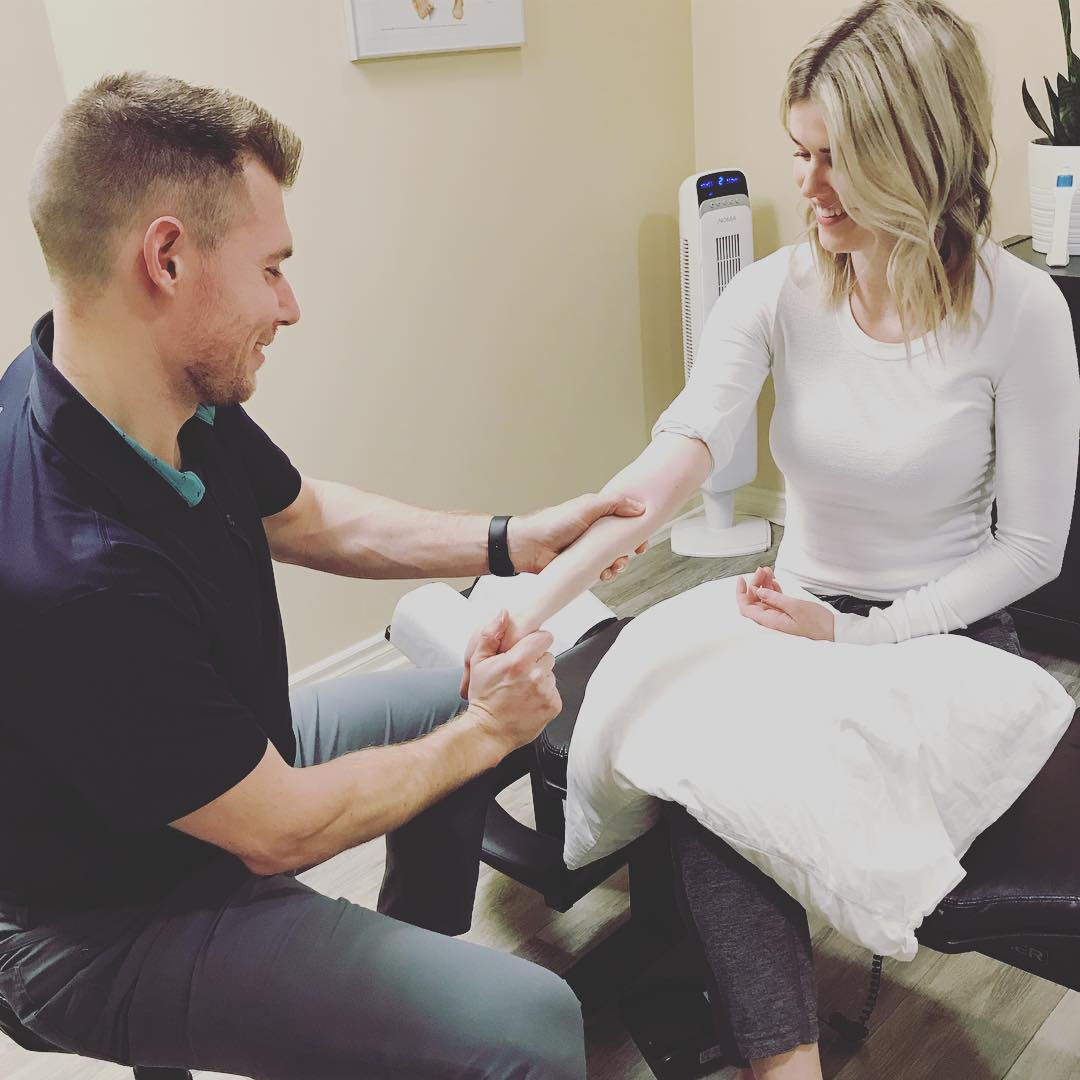
Before your session begins, your therapist will typically conduct an initial consultation to discuss your physical concerns, recent activities, and overall wellness goals. This assessment helps tailor the session to your specific needs.
Session Duration
Most massage sessions typically last between 60 to 90 minutes. For those in Calgary and Edmonton, the average price ranges from $85 to $120 for a 60-minute session, although pricing can vary based on the specific techniques employed and the therapist’s experience.
During the Massage
Throughout the massage, your therapist may employ various techniques based on your needs. It’s essential to communicate any discomfort or preferences regarding pressure, as this ensures that the session is both effective and enjoyable.
Aftercare
Post-massage, your therapist may recommend specific stretches or hydration tips to aid in recovery. It’s also advisable to take time to relax and allow your body to integrate the benefits of the massage.
Safety Considerations and When to Consult Professionals
While massage therapy is generally safe and beneficial, there are specific instances where individuals should consult healthcare professionals before engaging in treatment:
- Individuals with certain medical conditions, such as skin infections or severe cardiovascular issues, should seek medical advice prior to receiving massage therapy.
- Pregnant women should consult with their healthcare provider to ensure that massage therapy is safe for their particular stage of pregnancy.
Conclusion
In summary, Alberta's unique terrain significantly influences massage therapy techniques and practices, providing a tailored approach to meet the diverse needs of individuals engaging in outdoor activities or managing the stresses of urban living. By understanding the physical demands associated with Alberta's landscapes, both therapists and clients can enhance their wellness journeys, benefiting from targeted massage techniques that promote relaxation, recovery, and overall well-being.
When seeking massage therapy in Alberta, particularly in Calgary or Edmonton, look for certified practitioners who understand the nuances of your lifestyle and physical needs. With the right approach, massage therapy can be a valuable tool in managing both physical tension and mental stress—allowing you to fully enjoy everything Alberta’s stunning landscapes have to offer.