The Impact of Seasonal Changes on Mental Health: Wellness Strategies for Albertans
As the seasons change in Alberta, so too can our mental health. The long, dark winters and the vibrant summer days can significantly influence our mood, energy levels, and overall well-being. This article explores the intricate relationship between seasonal changes and mental health, providing practical wellness strategies for residents across Alberta, from Calgary to Edmonton. By understanding these impacts and implementing effective self-care practices, you can enhance your mental well-being throughout the year.
Understanding the Impact of Seasonal Changes on Mental Health
What is it?
Seasonal changes refer to the natural transitions that occur throughout the year, including shifts in weather, light, and temperature. In Alberta, this can mean harsh winters with limited sunlight and warm summers filled with long daylight hours. Seasonal Affective Disorder (SAD) is a type of depression that typically occurs during the fall and winter months, affecting many Albertans as they face prolonged periods of darkness and cold.
How it works
The physiological mechanisms behind seasonal changes and mental health are complex. One of the most significant factors is the lack of sunlight, which can lead to decreased levels of serotonin, a neurotransmitter that plays a crucial role in regulating mood. Additionally, shorter days can disrupt the circadian rhythm, which affects sleep patterns and overall energy levels. Conversely, the summer months can bring increased energy and vitality, but they can also lead to stress due to heat and the pressure to be socially active.
Who it's for
Seasonal changes affect everyone, but certain populations may be more vulnerable, including individuals with a history of mood disorders, those living in northern latitudes, and people who experience significant lifestyle changes with the seasons. Understanding these impacts can empower individuals to take proactive measures to support their mental health.
Key benefits
Recognizing the influence of seasonal changes on mental health can lead to improved well-being through targeted strategies:
- Enhanced mood stability
- Better energy levels
- Improved social connections
- Effective coping mechanisms for seasonal challenges
The Psychological Impact of Winter on Mental Health
Understanding Winter Blues and Seasonal Affective Disorder (SAD)
During the winter months, many Albertans experience what is commonly referred to as the "winter blues." This can manifest as feelings of sadness, fatigue, and a general lack of motivation. For some, these feelings escalate into Seasonal Affective Disorder (SAD), a more severe form of depression.
Symptoms of SAD
- Persistent low mood
- Loss of interest in activities once enjoyed
- Changes in sleep patterns (usually oversleeping)
- Difficulty concentrating
- Increased appetite and weight gain
Coping Strategies for Winter
- Light Therapy: Utilizing a light therapy box that mimics sunlight can help alleviate symptoms of SAD. Regular exposure for about 20-30 minutes in the morning can help regulate your body's internal clock and improve serotonin levels.
- Physical Activity: Regular exercise, even if it's indoors, can boost endorphins and improve mood. Aim for at least 30 minutes of moderate exercise most days of the week.
- Mindfulness and Meditation: Practicing mindfulness techniques can reduce anxiety and improve overall mental health. Consider guided meditations or mindfulness apps that focus on gratitude and positive thinking.
- Nutrition: A balanced diet rich in omega-3 fatty acids, whole grains, and vegetables can support brain health. Foods like salmon, walnuts, and leafy greens are excellent choices.
- Social Engagement: Maintaining social connections can combat feelings of isolation. Schedule regular check-ins with friends or family, even if it's just a phone call or video chat.
The Psychological Impact of Summer on Mental Health
Embracing the Sunshine
While summer often brings joy, warmth, and energy, it can also present challenges that affect mental health. The pressure to be social, stay active, and enjoy the outdoors can lead to feelings of stress and anxiety.
Common Summer Stressors
- Overcommitment to social events
- Pressure to maintain physical appearance
- Discomfort from heat and humidity
Coping Strategies for Summer
- Mindful Scheduling: Avoid overcommitting to social engagements. Set boundaries around your time and prioritize activities that genuinely bring you joy.
- Cool Down Techniques: Practice mindfulness and relaxation techniques to manage stress. Deep breathing exercises, yoga, or simply taking time to unwind in a cool environment can help mitigate heat-induced stress.
- Stay Hydrated: Dehydration can affect mood and energy levels. Ensure you're drinking enough water, especially during hot summer days.
- Nature Immersion: Spend time in green spaces. Nature has been shown to improve mood and reduce feelings of anxiety. Plan regular walks in local parks or hiking trails around Calgary and Edmonton.
- Self-Compassion: Recognize that it’s okay to take a break and focus on self-care during busy summer months. Prioritize rest and relaxation when needed.
Practical Self-Care Strategies for Every Season
Incorporating Massage Therapy
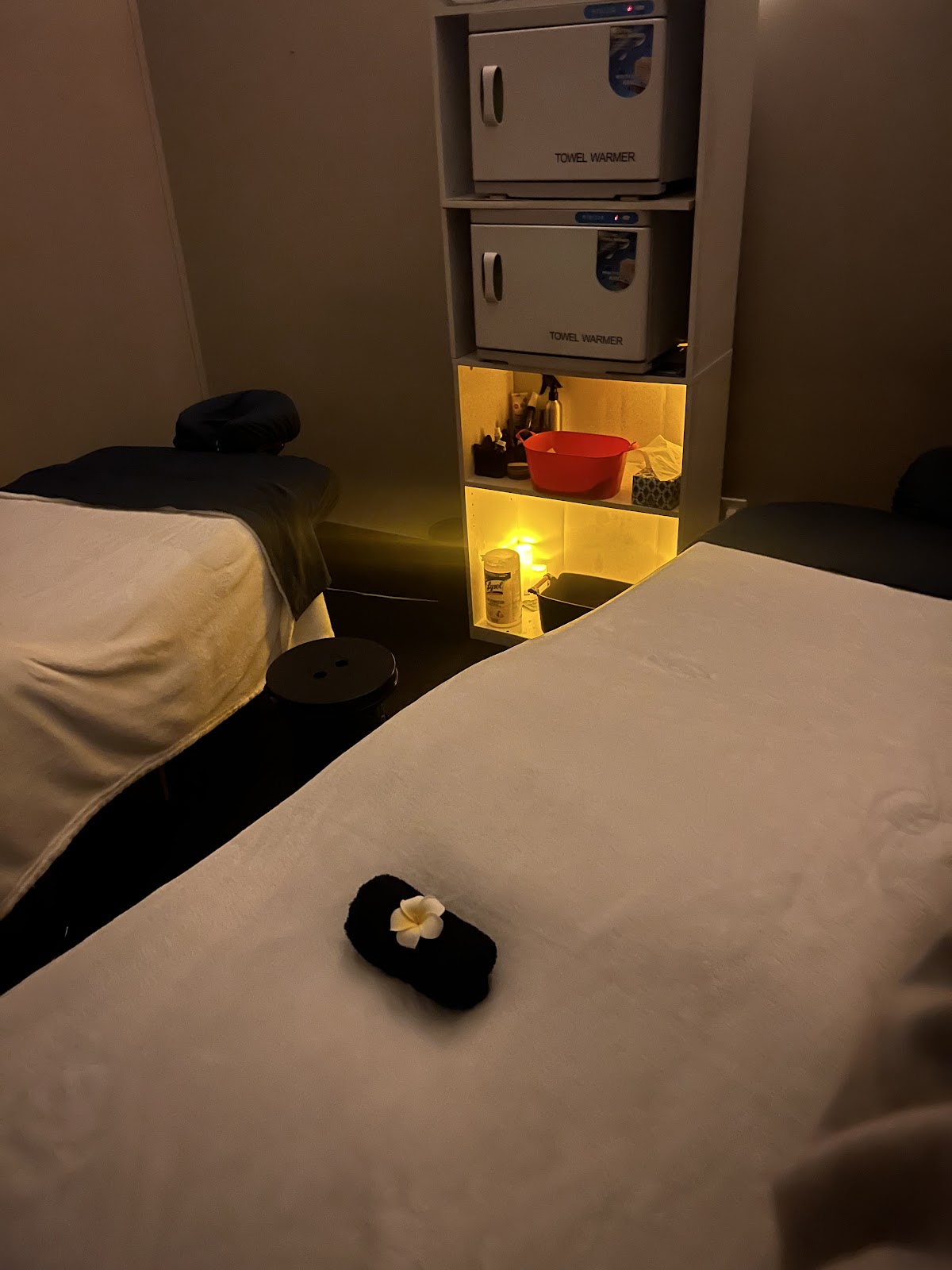
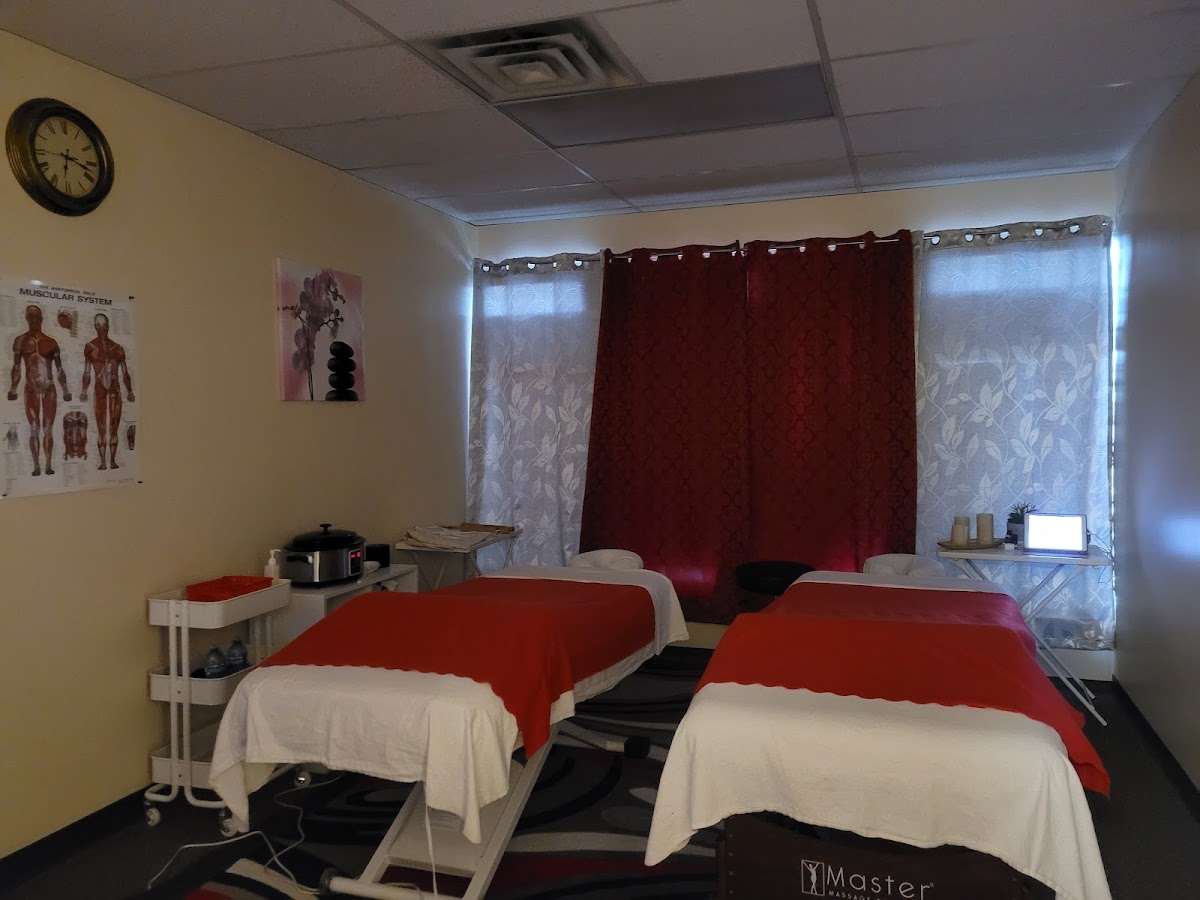
Massage therapy can be a powerful tool for enhancing mental well-being throughout the year. Registered Massage Therapists (RMTs) in Alberta can provide tailored treatments that address both physical and emotional stressors.
Benefits of Massage Therapy
- Stress Relief: Reduces cortisol levels, promoting relaxation and a sense of well-being.
- Improved Sleep: Regular massage can enhance sleep quality by alleviating tension and anxiety.
- Pain Management: Therapeutic massage can help manage chronic pain conditions that may worsen during seasonal changes.
What to Expect During a Massage Session
Before your first appointment with an RMT in Calgary or Edmonton, it’s essential to know what to expect:
- Initial Consultation: Your therapist will ask about your medical history, any current issues, and your goals for the massage.
- Personalized Treatment Plan: Based on your needs, your therapist will create a tailored treatment plan using various techniques, including Swedish, deep tissue, or trigger point therapy.
- Session Duration: Typically, sessions last between 60-90 minutes, allowing ample time for relaxation and treatment.
- Aftercare Advice: Your therapist may provide recommendations for post-massage care, including hydration, gentle stretching, or specific exercises.
Mindfulness Practices
Mindfulness can significantly enhance mental well-being, particularly during the transition between seasons. Incorporating mindfulness practices into your daily routine can help ground you and reduce stress.
Simple Mindfulness Techniques
- Breath Awareness: Spend a few minutes focusing solely on your breath. Inhale deeply through your nose, hold for a moment, and exhale slowly through your mouth.
- Body Scan: Lay comfortably and consciously relax each part of your body, starting from your toes and moving up to your head.
- Gratitude Journaling: Write down three things you’re grateful for each day to cultivate a positive mindset.
Community Engagement: A Supportive Network
Building a supportive community can enhance mental health throughout the year. Engaging with local groups and activities can provide social interaction and a sense of belonging.
Finding Community in Alberta
- Local Wellness Events: Participate in health fairs, workshops, or community yoga classes offered in Calgary and Edmonton to connect with like-minded individuals.
- Support Groups: Look for local mental health support groups that focus on seasonal affective disorder or general mental wellness.
- Volunteer Opportunities: Volunteering can provide a sense of purpose and connection. Seek out local charities or organizations that align with your interests.
Conclusion
The impact of seasonal changes on mental health can be profound, particularly for residents of Alberta. Understanding the psychological effects of winter and summer, along with implementing effective wellness strategies, can significantly enhance your overall well-being. From engaging in regular massage therapy to practicing mindfulness and connecting with your community, there are numerous ways to navigate these seasonal shifts successfully.
As you embrace the beauty of each season, remember that taking proactive steps to support your mental health is essential. If you find yourself struggling with the seasonal changes, do not hesitate to reach out to healthcare professionals for support and guidance. When searching for wellness services in Calgary or Edmonton, look for certified practitioners who can help you on your journey to improved mental health. Embrace the seasons with intention and care, and thrive in Alberta’s vibrant changes throughout the year.