The Role of Rolfing in Injury Recovery for Alberta's Active Lifestyle
In Alberta, where outdoor activities such as hiking, skiing, and cycling are part of everyday life, maintaining physical wellness is crucial. However, with an active lifestyle comes the risk of injuries that can hinder performance and enjoyment. For many, traditional methods of injury recovery may not suffice, leading to an exploration of alternative therapies like Rolfing. This specialized form of bodywork is gaining traction among athletes and outdoor enthusiasts in Calgary and Edmonton as a potent tool for injury recovery.
In this article, we will delve into the transformative benefits of Rolfing, exploring its origins, techniques, physiological mechanisms, and how it can complement traditional therapies to enhance recovery and overall wellness.
Understanding Rolfing
What is Rolfing?
Rolfing, also known as Rolfing Structural Integration, is a holistic bodywork technique developed by Dr. Ida Rolf in the 1940s. It focuses on aligning and balancing the body’s structure through deep manipulation of the fascia, the connective tissue that surrounds muscles and organs. The goal is to improve posture, relieve pain, and enhance mobility.
How it Works
Rolfing works primarily by applying deep pressure to the fascia, helping to release tension and realign the body. This manipulation facilitates better movement patterns, alleviates pain, and promotes overall well-being by enhancing blood flow and nerve function. The practice integrates physical, emotional, and environmental components, making it a comprehensive approach to body care.
Who it's For
Rolfing is particularly beneficial for individuals with:
- Chronic pain
- Postural issues
- Sports injuries
- Tension from repetitive strain
- Those looking to enhance athletic performance
It is suitable for people of all ages and activity levels, making it an excellent option for Alberta’s active population.
Key Benefits
The advantages of Rolfing are numerous, including:
- Improved posture and alignment
- Enhanced range of motion
- Reduced pain and tension
- Greater body awareness
- Improved athletic performance
- Support for emotional release
The Mechanisms of Rolfing in Injury Recovery
Rolfing’s efficacy in injury recovery can be attributed to several physiological mechanisms:
- Fascial Release: The fascia is a connective tissue that can become tight and restrictive due to injury, overuse, or emotional stress. By targeting these areas, Rolfing helps to release restrictions, allowing for improved movement and function.
- Increased Circulation: The deep manipulation of tissues promotes blood flow, delivering oxygen and nutrients to the affected areas while facilitating the removal of metabolic waste. This enhances the healing process.
- Nervous System Regulation: Rolfing techniques can stimulate the nervous system, leading to a reduction in pain perception and an increase in relaxation. This is especially important for individuals recovering from injuries who may experience heightened stress and anxiety.
- Postural Realignment: Many injuries stem from poor posture and body mechanics. Rolfing focuses on correcting alignment, which can prevent future injuries and improve overall performance in activities like hiking, skiing, or cycling.
Comparing Rolfing to Other Massage Techniques
While Rolfing offers unique benefits, it is essential to understand how it differs from other types of bodywork:
- Deep Tissue Massage vs. Rolfing: Both techniques involve deep pressure, but deep tissue massage primarily focuses on muscle layers, whereas Rolfing targets the fascia and overall body alignment. Rolfing sessions are often longer and involve more movement and awareness.
- Swedish Massage vs. Rolfing: Swedish massage emphasizes relaxation and circulation through gentle strokes. In contrast, Rolfing is more intense and goal-oriented, aiming for structural integration and functional improvement.
- Thai Massage vs. Rolfing: Thai massage incorporates stretching and yoga-like movements, while Rolfing focuses on structural manipulation of the body. Both can improve flexibility, but Rolfing specifically addresses fascia and alignment.
When to Consider Rolfing
Indications
Rolfing is ideal for individuals experiencing:
- Chronic back pain
- Migraines and tension headaches
- Sports-related injuries
- Limited range of motion
- Stress-related issues
Contraindications
While Rolfing can be beneficial, it may not be suitable for everyone. Individuals with certain conditions should consult a healthcare provider before beginning Rolfing sessions. Contraindications include:
- Acute injuries (e.g., fractures)
- Severe osteoporosis
- Certain skin conditions
- Blood clots or anticoagulant therapy
What to Expect During a Rolfing Session
Initial Assessment
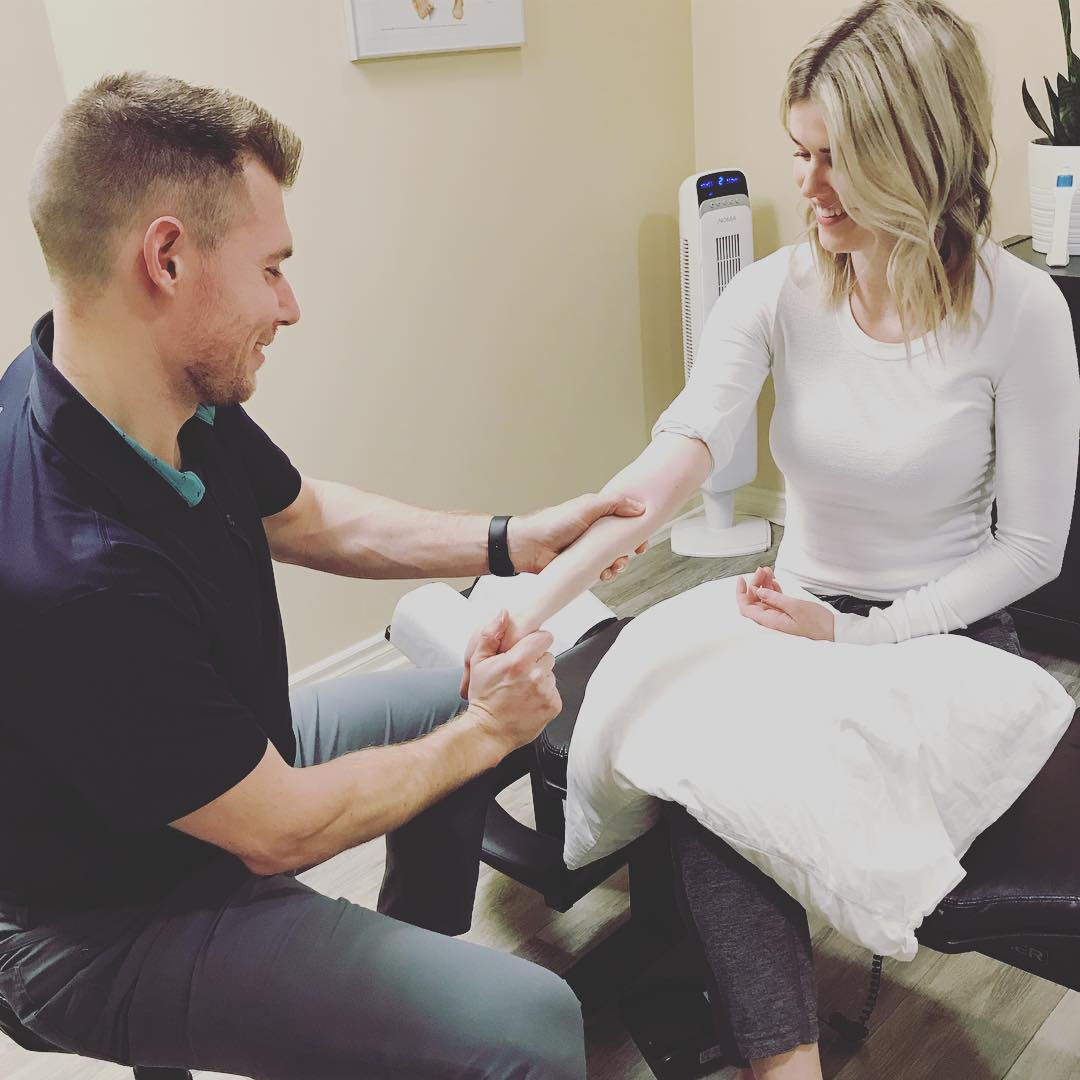
A typical Rolfing session begins with an initial assessment, where the Rolfing practitioner evaluates your posture and movement patterns. This helps them tailor the session to your specific needs.
Session Structure
- Duration: Rolfing sessions typically last between 60 to 90 minutes.
- Positioning: Clients may remain clothed in comfortable attire, as Rolfing can be performed through light clothing.
- Techniques Used: The practitioner employs a variety of techniques, including deep tissue manipulation, stretching, and guided movement. This may involve the client actively participating in movements to enhance the efficacy of the treatment.
Frequency of Sessions
For optimal results, clients often undergo a series of sessions (usually 10) spaced out over weeks or months, allowing the body to integrate the changes effectively.
Preparing for Your Rolfing Session
Before Your Appointment
- Hydration: Drink plenty of water before your session to help with tissue hydration.
- Comfortable Clothing: Wear loose, comfortable clothing that allows for ease of movement.
- Open Mind: Approach the session with an open mind and willingness to engage in the process.
Aftercare
Post-session, clients may experience some soreness similar to that of a workout. It is crucial to:
- Continue hydrating
- Rest and allow your body to integrate the changes
- Avoid strenuous activities for at least 24 hours
Rolfing in Alberta: What to Know
Local Context
Alberta’s active lifestyle, with its diverse outdoor activities, makes Rolfing an appealing option for athletes and outdoor enthusiasts. The province has a network of trained Rolfers who can provide this specialized bodywork.
Pricing
In Alberta, Rolfing sessions typically range from $85 to $150 for a 60-90 minute appointment, depending on the practitioner's experience and location. Cities like Calgary and Edmonton offer a range of options, making it accessible for residents.
Finding a Qualified Practitioner
When seeking a Rolfing practitioner in Alberta, ensure they have:
- Proper training in Rolfing techniques
- Certification from a recognized Rolfing school
- Positive reviews or testimonials from previous clients
Regulations in Alberta
Rolfing practitioners are not regulated as Registered Massage Therapists (RMTs) in Alberta, but many Rolfers have backgrounds in massage therapy. It is essential to verify the practitioner’s qualifications and experience.
Conclusion
Rolfing plays a significant role in injury recovery, particularly for Alberta’s active residents who engage in outdoor sports and activities. Its holistic approach addresses not only physical injuries but also promotes overall wellness by realigning the body and enhancing mobility.
For those seeking to complement traditional therapies or improve their physical performance, Rolfing could be the answer. If you're considering Rolfing as part of your recovery journey, look for certified practitioners in Calgary or Edmonton who can guide you through the process. With the right support, you can overcome injuries and return to enjoying Alberta’s beautiful landscapes fully.
When exploring wellness options in Alberta, remember that each body is unique—what works for one person may not work for another. Therefore, always consult with healthcare professionals before starting any new treatment.