Understanding the Unique Benefits of Lymphatic Massage for Albertans
Introduction
In the bustling urban settings of Calgary and Edmonton, Alberta, residents often seek ways to balance their busy lives with wellness practices that promote health and relaxation. Among the various therapeutic techniques available, lymphatic massage stands out for its unique benefits, particularly in how it supports immune function, reduces swelling, and promotes detoxification. With Alberta’s climate and lifestyle often leading to issues like muscle tension and stress, understanding how lymphatic massage can be integrated into a wellness routine is both timely and essential.
In this comprehensive guide, we will explore the origins, techniques, and physiological mechanisms behind lymphatic massage, compare it with other massage types, and highlight its specific benefits for Albertans. We will also provide practical tips for incorporating this therapeutic practice into your life and understanding what to expect during a session. Whether you are a long-time massage enthusiast or new to the world of therapeutic bodywork, this article aims to equip you with the knowledge you need to make informed decisions about your health and wellness.
Understanding Lymphatic Massage
What is Lymphatic Massage?
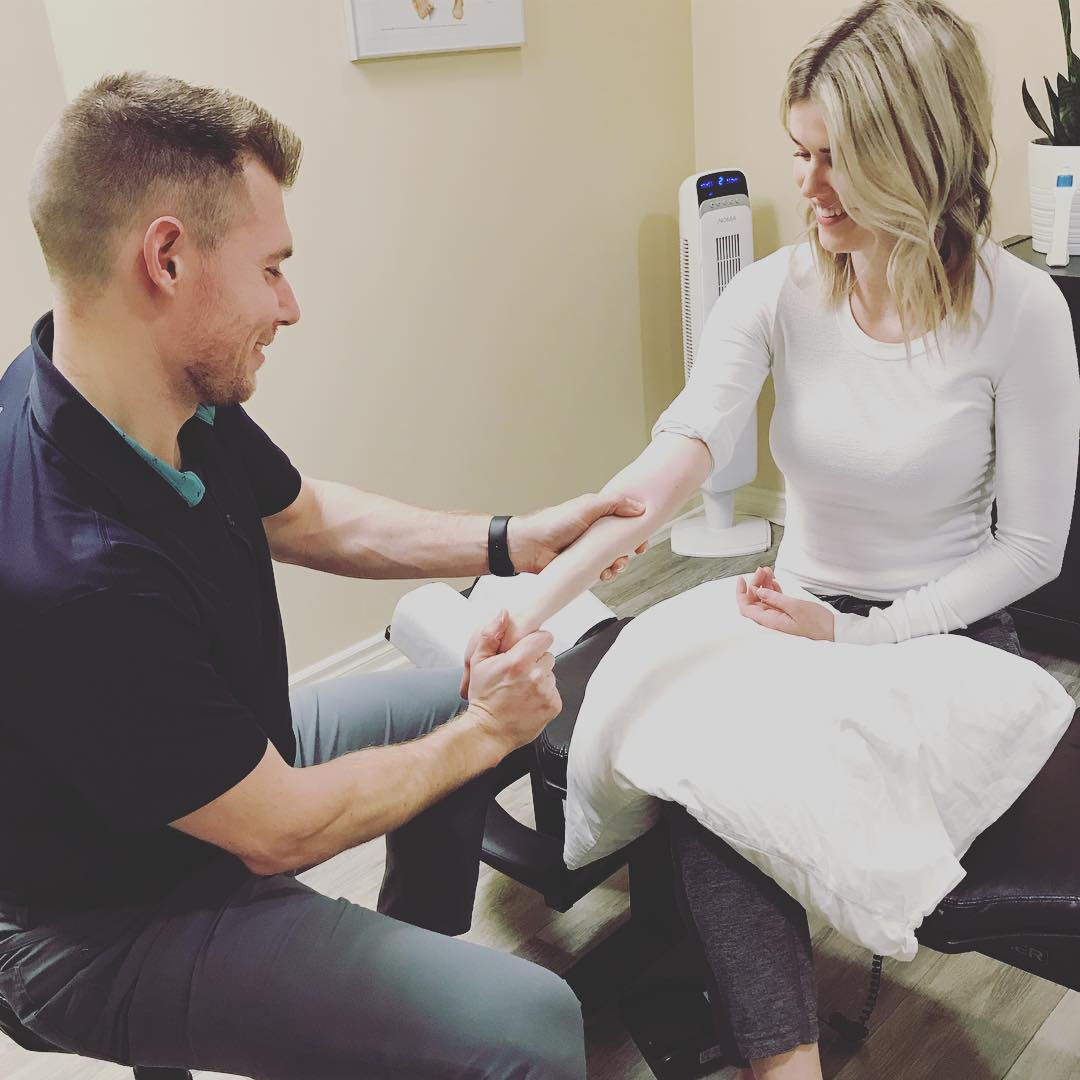
Lymphatic massage, also known as manual lymph drainage (MLD), is a specialized form of massage therapy designed to stimulate the lymphatic system, which plays a crucial role in the body’s immune response and fluid balance. This technique involves gentle, rhythmic strokes applied in specific directions to promote the movement of lymph fluid, aiding in the removal of waste products and excess fluids from the body.
How Does Lymphatic Massage Work?
The lymphatic system comprises a network of vessels and nodes that transport lymph, a clear fluid containing white blood cells, throughout the body. Lymphatic massage enhances this natural process by applying light pressure that encourages lymph flow. It helps to clear blockages, reduce edema (swelling), and enhance the body’s ability to detoxify itself.
Who is it For?
Lymphatic massage can benefit a wide range of individuals, including:
- Post-surgical patients: Those recovering from surgery, especially abdominal or cosmetic procedures, may experience swelling and benefit from lymphatic drainage.
- Individuals with lymphedema: This condition, characterized by localized fluid retention and tissue swelling, can be effectively managed with regular lymphatic massage.
- People with chronic illnesses: Conditions such as fibromyalgia or chronic fatigue syndrome can lead to fluid retention and fatigue, making lymphatic massage a beneficial therapeutic option.
- Health-conscious individuals: Those seeking to boost their immune system, enhance detoxification, or simply promote overall well-being can also benefit from this massage technique.
Key Benefits of Lymphatic Massage
The unique benefits of lymphatic massage include:
- Improved immune function and circulation.
- Reduction of swelling and inflammation.
- Enhanced detoxification and waste removal.
- Relief from muscle tension and pain.
- Promotion of relaxation and stress reduction.
The Science Behind Lymphatic Massage
Lymphatic massage operates on several physiological levels, making it a multifaceted therapy. Here's how it affects various bodily systems:
Physiological Mechanisms
- Musculoskeletal System: By relieving tension in the muscles and fascia, lymphatic massage can help alleviate pain and discomfort, making it an excellent adjunct to other forms of massage.
- Circulatory System: The gentle pressure applied during lymphatic massage increases blood circulation. Improved blood flow ensures that nutrients are delivered efficiently to cells while waste products are removed, promoting overall health.
- Nervous System: The calming nature of lymphatic massage activates the parasympathetic nervous system, which helps to reduce stress levels and encourage relaxation.
- Immune Response: By facilitating lymphatic drainage, this massage technique can enhance immune function by promoting the movement of lymphocytes, the cells responsible for fighting infections.
Research supports these benefits. Studies have shown that lymphatic massage can significantly reduce swelling and enhance recovery times for surgical patients. Moreover, it has been linked to improved overall health outcomes, particularly in individuals with chronic conditions.
Lymphatic Massage Techniques
The techniques used in lymphatic massage are distinct from other massage styles. Here’s a breakdown of the specific techniques employed:
Techniques Used
- Light pressure: Unlike deep tissue massage, lymphatic massage requires gentle pressure to avoid damaging lymph vessels, particularly those close to the surface of the skin.
- Rhythmic strokes: The strokes are typically slow and rhythmic, designed to mimic the natural flow of lymph.
- Directional movements: The direction of the strokes is vital; therapists often move toward the lymph nodes to enhance drainage.
Comparing Lymphatic Massage to Other Types
When comparing lymphatic massage to other forms, it’s essential to note their differences:
- Deep Tissue Massage: Focuses on relieving tension in deeper muscle layers and is often more intense than lymphatic massage. While deep tissue can relieve pain, it does not specifically target the lymphatic system.
- Swedish Massage: This is a more general relaxation technique that uses long, flowing strokes, kneading, and gentle pressure. While it promotes relaxation, it does not have the same targeted effect on the lymphatic system as lymphatic massage.
- Thai Massage: Involves stretching and acupressure, focusing on energy lines in the body rather than the lymphatic system. It is more dynamic and physically engaging.
RMT vs. Relaxation Massage Regulations in Alberta
In Alberta, massage therapy is regulated to ensure safety and efficacy. Registered Massage Therapists (RMTs) must complete a recognized program and pass a certification exam. Lymphatic massage, being a specialized technique, is typically offered by RMTs who have additional training in this area.
Relaxation massages, while beneficial for stress relief, may not always provide the specialized care and training present in lymphatic massage. When seeking lymphatic massage in Calgary or Edmonton, look for practitioners certified in this technique.
What to Expect During a Lymphatic Massage Session
Understanding what to expect can help alleviate any apprehensions about experiencing lymphatic massage for the first time. Here’s an overview of a typical session:
Session Structure
- Duration: A typical session lasts between 60 to 90 minutes, allowing adequate time for each area of the body to be addressed.
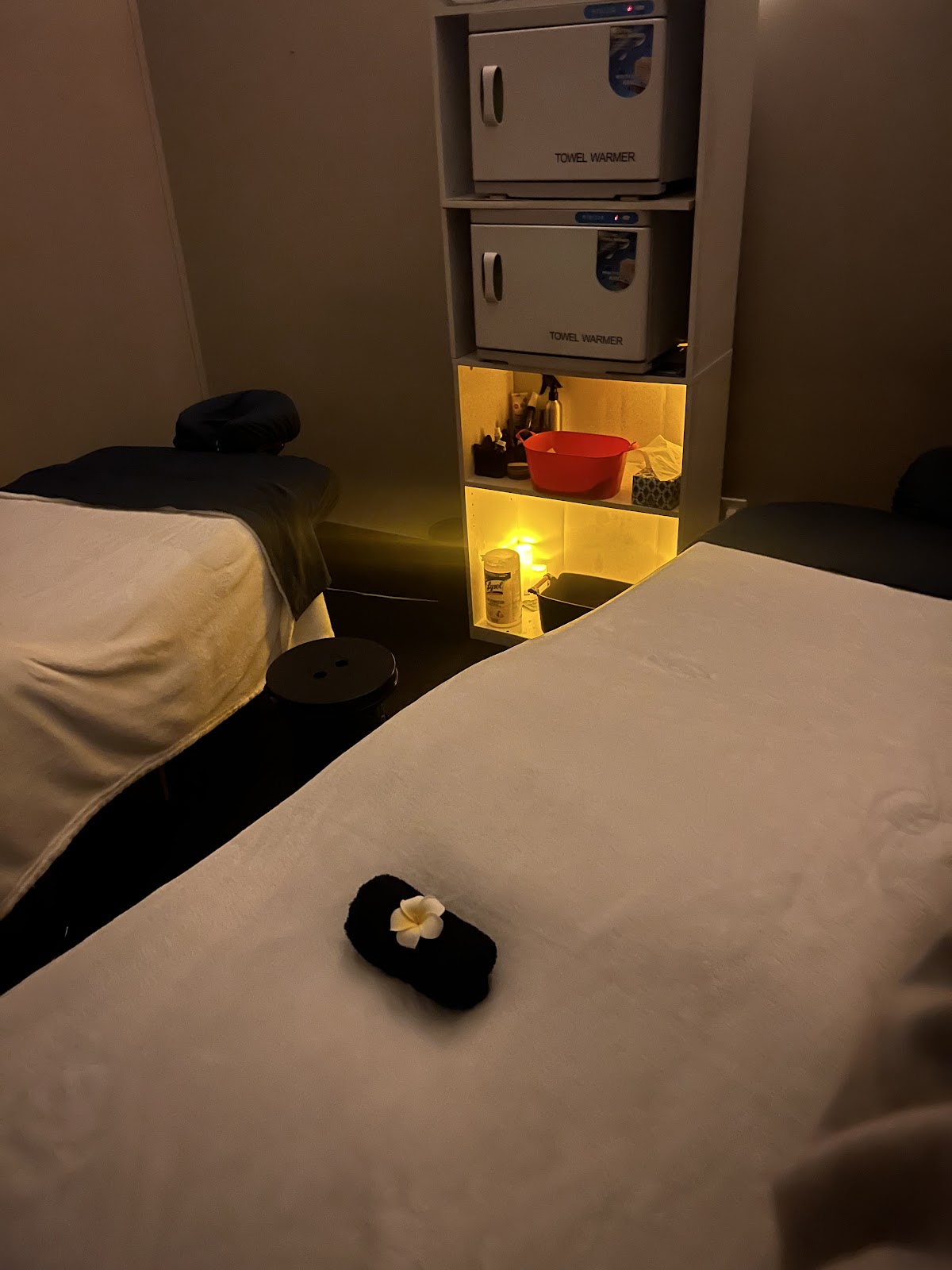
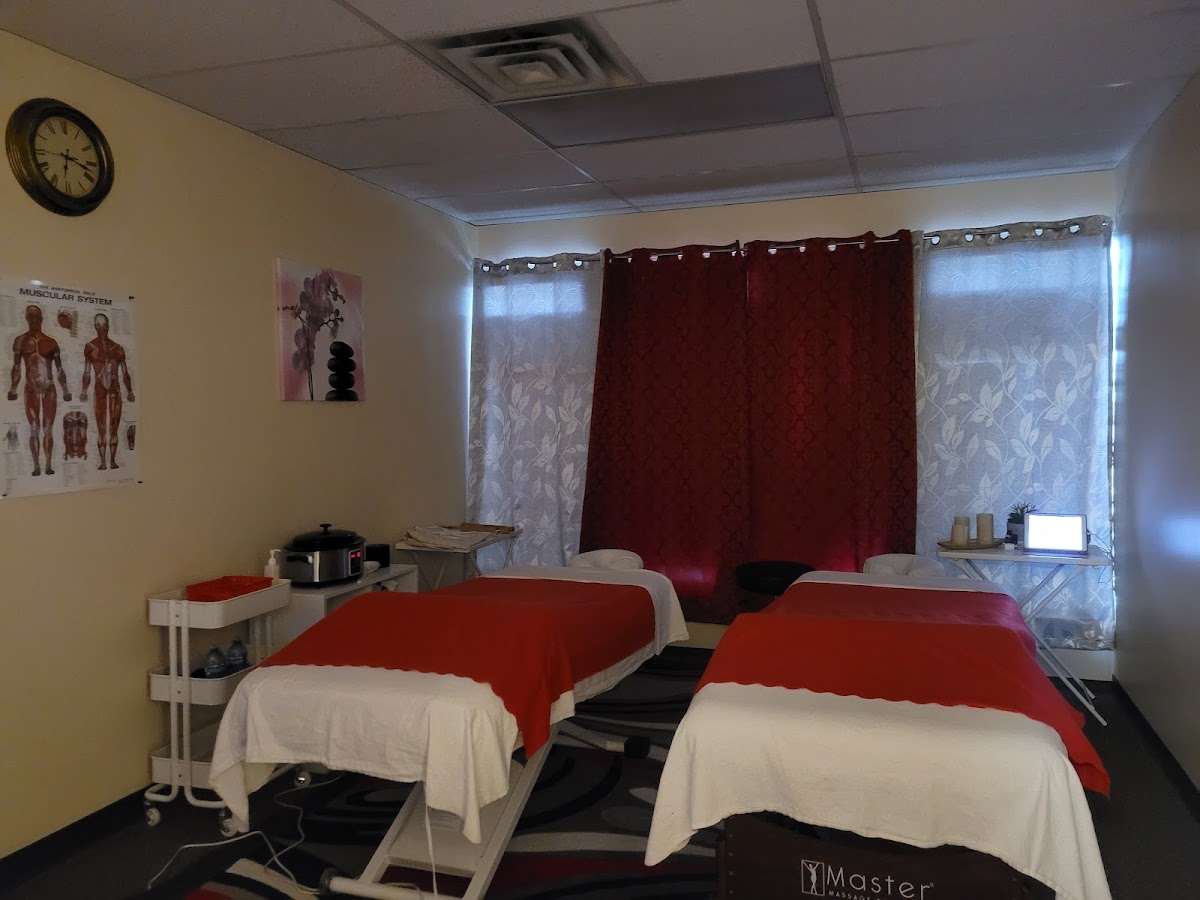
- Positioning: Clients are usually positioned comfortably on a massage table, often lying face up. Pillows may be used for additional support.
- What Happens During the Session: The therapist will begin with light strokes around the lymph nodes, gradually working toward areas with swelling or tension. The pressure will remain gentle throughout, and clients are encouraged to communicate any discomfort.
Preparing for Your Session
- Hydration: Drink plenty of water before and after your session to help flush out toxins released during the massage.
- Clothing: Wear comfortable clothing that allows easy access to the areas being treated, or you may be asked to undress to your comfort level.
- Communication: Be open with your therapist about any medical conditions, existing pain, or concerns to tailor the session to your needs.
Aftercare Recommendations
Post-session care is essential to maximize the benefits of lymphatic massage. Consider the following:
- Hydration: Continue to drink water after your session to support lymphatic drainage.
- Rest: Allow your body time to recover. Light activity is encouraged, but avoid strenuous exercise immediately afterward.
- Monitor Your Body: Pay attention to how your body responds in the days following the massage. Mild soreness is common, but any significant discomfort should be discussed with your therapist.
Pricing and Availability in Alberta
The cost of lymphatic massage can vary based on location, practitioner experience, and session length. In Calgary and Edmonton, expect to pay between $85 and $120 for a 60-minute session.
When searching for lymphatic massage services, consider the following:
- Look for certified practitioners: Ensure your therapist is an RMT with specific training in lymphatic techniques.
- Read reviews: Feedback from previous clients can provide insights into the quality of care offered.
- Check insurance coverage: Many health plans in Alberta cover RMT services, so check your policy for details.
Conclusion
Lymphatic massage offers a multitude of benefits, particularly for Albertans navigating the challenges of a busy lifestyle and the physical demands of their environment. By improving immune function, reducing swelling, and promoting detoxification, this specialized technique can enhance overall well-being.
If you’re considering incorporating lymphatic massage into your wellness routine, take the time to find a qualified RMT in Calgary or Edmonton who can guide you through the process. Remember to communicate openly about your health needs and preferences during your sessions for the best experience.
By prioritizing your health and exploring the unique benefits of lymphatic massage, you can take proactive steps toward achieving balance and wellness in your life. Embrace the journey to better health, and allow this therapeutic technique to support you in your wellness endeavors.