Exploring the Benefits of Craniosacral Therapy in Alberta's Wellness Scene
In recent years, the wellness landscape in Alberta has expanded to include a variety of holistic therapies, with craniosacral therapy (CST) gaining significant attention. This gentle yet profound technique has piqued the interest of many individuals seeking alternative methods for enhancing their physical and emotional well-being. Whether you're in Calgary or Edmonton, this article will delve into the unique benefits of craniosacral therapy, exploring its origins, mechanisms, and practical applications in your wellness journey.
Understanding Craniosacral Therapy
What is Craniosacral Therapy?
Craniosacral therapy is a subtle and non-invasive therapeutic technique that focuses on the craniosacral system, which encompasses the membranes and cerebrospinal fluid surrounding the brain and spinal cord. Developed in the 1970s by Dr. John Upledger, an osteopathic physician, CST aims to release tension and restrictions within this system, promoting overall health and wellness.
How It Works
The therapy operates on the principle that the craniosacral system plays a crucial role in the body's ability to heal itself. Practitioners use light touch to assess and manipulate the craniosacral rhythm, which can influence the central nervous system, improve circulation, and enhance the body's natural healing processes. By addressing restrictions, craniosacral therapy helps to restore balance and alleviate discomfort.
Who It's For
Craniosacral therapy can benefit a wide range of individuals, including:
- Those experiencing chronic pain: Individuals dealing with conditions like fibromyalgia, migraines, or back pain often find relief through CST.
- Individuals with emotional stress: CST can support emotional release and stress management, making it suitable for those facing anxiety or trauma.
- Newborns and children: CST is often used to help infants with issues such as colic, breastfeeding difficulties, or developmental delays.
Key Benefits
Craniosacral therapy offers numerous advantages, including:
- Pain relief: Reduces tension and discomfort in the body.
- Stress reduction: Promotes relaxation and emotional balance.
- Enhanced immune function: Boosts the body's natural healing abilities.
- Improved mobility: Increases flexibility and range of motion.
- Support for emotional health: Assists in processing and releasing emotional trauma.
The Mechanisms Behind Craniosacral Therapy
Craniosacral therapy works by affecting several physiological systems:
- Nervous System: CST helps regulate the autonomic nervous system, promoting a state of relaxation and improving stress response.
- Circulation: Enhanced blood flow supports nutrient delivery and waste removal, contributing to overall health.
- Muscle Relaxation: The gentle touch used in CST encourages muscle relaxation, reducing tension and stiffness.
- Emotional Release: By addressing the physical manifestations of emotional stress, CST can facilitate emotional healing.
What to Expect During a Craniosacral Therapy Session
Typical Session Structure
A craniosacral therapy session typically lasts between 60 to 90 minutes. Here's what you can expect:
- Initial Consultation: Your session will begin with a discussion about any specific concerns or symptoms you have. This helps the practitioner tailor the treatment to your needs.
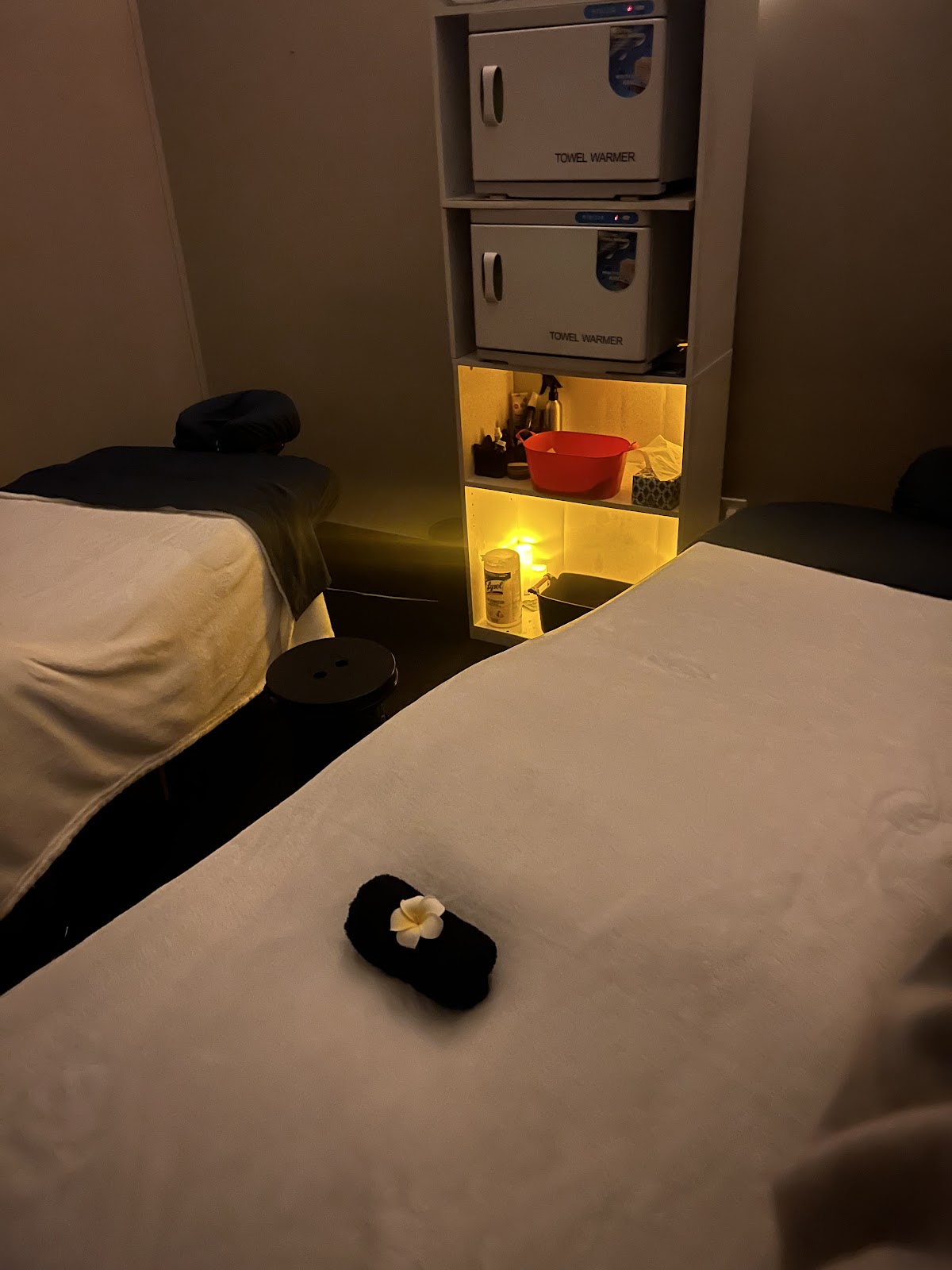
- Positioning: You will lie comfortably on a massage table, fully clothed. Practitioners often use pillows and blankets to ensure your comfort.
- Treatment Process: The therapist will use gentle touch, applying light pressure to various areas of your body. This may involve holding specific points or following the body's natural rhythms.
- Feedback: Throughout the session, you are encouraged to share any sensations or experiences, allowing the therapist to adjust their approach as needed.
Preparation and Aftercare
To prepare for your session, wear loose, comfortable clothing and arrive hydrated. Aftercare might include:
- Drinking plenty of water to aid the body's detoxification process.
- Allowing yourself time to rest and process the experience.
- Engaging in gentle activities like stretching or walking to maintain the benefits of the therapy.
Craniosacral Therapy vs. Other Massage Techniques
Craniosacral therapy differs significantly from other popular massage techniques:
- Deep Tissue Massage: Focuses on deeper muscle layers and often involves more pressure, which may not be suitable for everyone. CST, on the other hand, is much gentler and suitable for various individuals.
- Swedish Massage: Primarily aims at relaxation using long, flowing strokes. CST targets the craniosacral system specifically and can address deeper emotional and physical issues.
- Thai Massage: Involves stretching and acupressure, while CST is more about stillness and subtle manipulation.
Local Context: Craniosacral Therapy in Alberta
Pricing and Accessibility
In Calgary and Edmonton, the average cost for a craniosacral therapy session typically ranges from $85 to $120 for a 60-minute appointment. Many practitioners are registered massage therapists (RMTs) who have completed specialized training in craniosacral therapy.
Finding a Practitioner
When looking for a craniosacral therapist in Alberta, consider the following:
- Credentials: Ensure that the therapist is a certified RMT with additional training in craniosacral therapy.
- Experience: Look for practitioners who specialize in this technique and have a solid reputation within the community.
- Personal Fit: It's essential to feel comfortable with your therapist. Many offer initial consultations, allowing you to gauge their approach and expertise.
Conclusion
Craniosacral therapy is a valuable addition to Alberta's diverse wellness scene, offering a gentle yet effective approach to healing. Whether you're seeking relief from chronic pain, emotional stress, or simply looking to enhance your overall well-being, CST may