The Role of Craniosacral Therapy in Enhancing Postural Alignment for Albertans
In today’s fast-paced world, many Albertans find themselves suffering from postural misalignments due to sedentary lifestyles, long hours spent at desks, and the physical demands of daily life. As residents of urban centers like Calgary and Edmonton, people often seek solutions for these issues to improve their overall wellness. One such approach that has gained traction is craniosacral therapy (CST). This article will explore the role of craniosacral therapy in enhancing postural alignment, providing an in-depth understanding of its principles, techniques, benefits, and how it fits into the broader context of wellness and massage therapy in Alberta.
Understanding Craniosacral Therapy
What is Craniosacral Therapy?
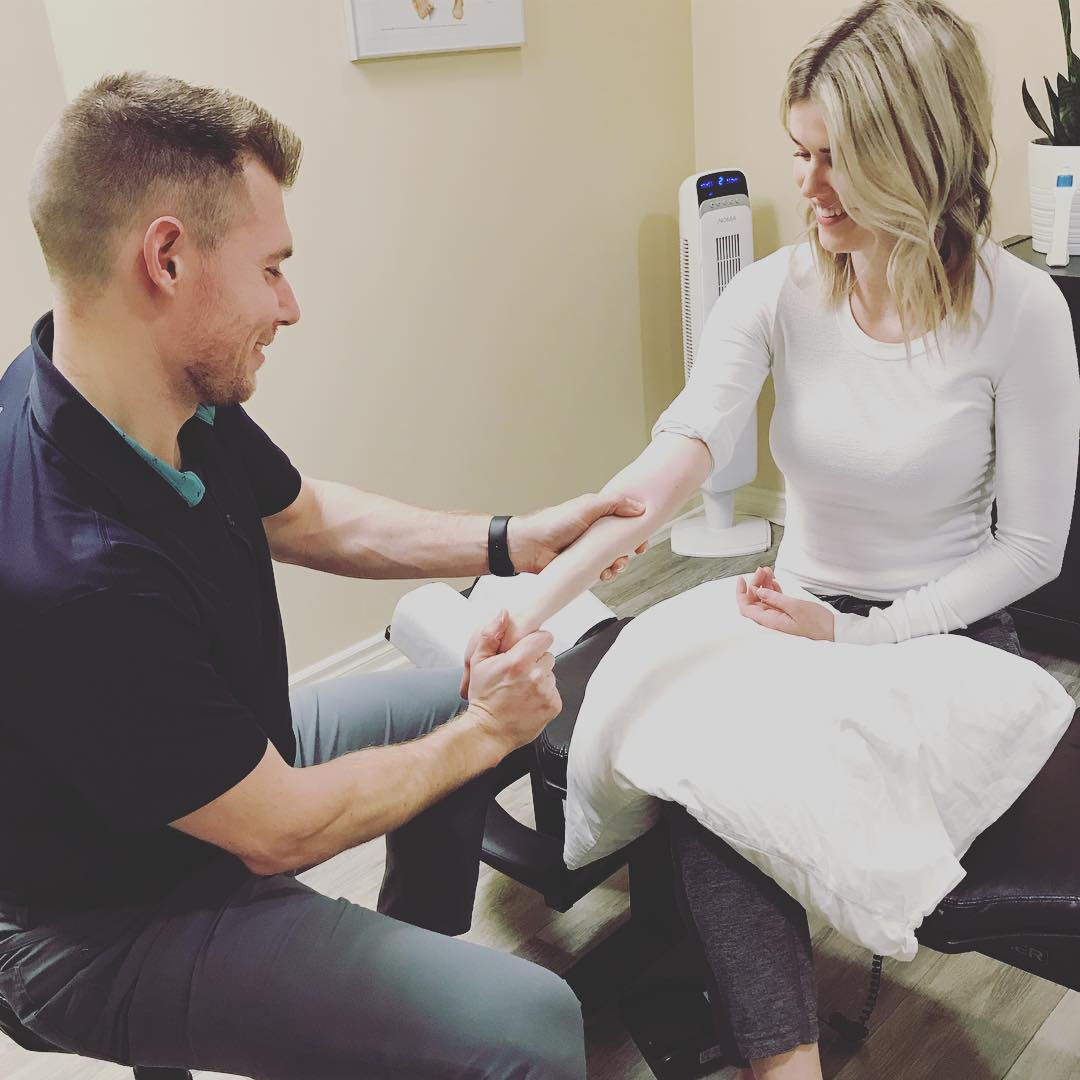
Craniosacral therapy is a gentle, hands-on approach that focuses on the craniosacral system—comprised of the membranes and cerebrospinal fluid surrounding the brain and spinal cord. Developed by Dr. John Upledger in the 1970s, this therapy aims to release tensions deep in the body to relieve pain and dysfunction. It is based on the premise that the body's innate healing mechanisms can be enhanced through subtle manipulation.
How Craniosacral Therapy Works
CST operates on the principle that the body has a natural rhythm, much like the heartbeat. Practitioners use light touch—typically no more than the weight of a nickel—to assess and enhance this rhythm. The gentle techniques promote relaxation, improve circulation, and facilitate the movement of cerebrospinal fluid, which can lead to better overall health. By addressing restrictions in the craniosacral system, CST helps restore balance and alignment throughout the body.
Who Benefits from Craniosacral Therapy?
Craniosacral therapy is beneficial for a wide range of individuals, including:
- Those with chronic pain: Individuals suffering from migraines, fibromyalgia, or lower back pain may find relief through CST.
- Postural issues: People experiencing tension and discomfort due to poor posture can benefit from the realignment and relaxation that CST offers.
- Stress and anxiety sufferers: CST has been shown to promote relaxation and alleviate stress-related symptoms.
- Individuals recovering from trauma: Whether physical or emotional, CST can support the healing process.
Key Benefits of Craniosacral Therapy
The main advantages of craniosacral therapy include:
- Improved postural alignment and balance
- Enhanced mobility and flexibility
- Reduction of chronic pain and tension
- Increased relaxation and stress relief
- Support for emotional well-being and trauma recovery
---
The Connection Between Posture and Wellness
Understanding Posture
Posture refers to the alignment of the body in space and the positioning of the body while sitting, standing, or moving. Good posture involves maintaining the natural curves of the spine, which helps distribute body weight evenly and reduces strain on muscles and ligaments. Poor posture, on the other hand, can lead to various health issues, including musculoskeletal pain, fatigue, and decreased respiratory efficiency.
How Poor Posture Affects Health
When posture is compromised, it can create a cascade of physical problems, including:
- Muscle tension and pain, particularly in the neck, shoulders, and lower back
- Reduced circulation, leading to fatigue and decreased energy levels
- Impaired digestion and respiratory function
- Increased stress and anxiety due to discomfort
By addressing these issues, craniosacral therapy can play a crucial role in restoring proper alignment and enhancing overall wellness.
---
Craniosacral Therapy Techniques and Comparisons
Techniques Used in Craniosacral Therapy
Craniosacral therapy employs various techniques, including:
- Cranial manipulation: Gentle adjustments to the skull bones to improve craniosacral rhythm.
- Spinal techniques: Light touch along the spine to release tension and promote alignment.
- Soft tissue release: Addressing restrictions in muscles and fascia to enhance mobility.
- Myofascial release: Techniques aimed at releasing fascial restrictions that may contribute to postural imbalances.
Comparing Craniosacral Therapy to Other Massage Types
Craniosacral therapy differs from traditional massage techniques, such as:
- Deep Tissue Massage: Focuses on deeper layers of muscle and connective tissue, often employing more pressure. It is generally used for chronic pain relief and tension release.
- Swedish Massage: Utilizes long, flowing strokes to promote relaxation and circulation. While effective for stress relief, it may not address specific postural issues like CST.
- Thai Massage: Incorporates assisted stretches and acupressure techniques. This dynamic approach can enhance flexibility but may not be as gentle or focused on the craniosacral system.
---
What to Expect During a Craniosacral Therapy Session
Typical Session Overview
A standard craniosacral therapy session typically lasts between 60 to 90 minutes. Here’s what clients can expect:
- Initial Consultation: The therapist will discuss your health history, current concerns, and goals for the session.
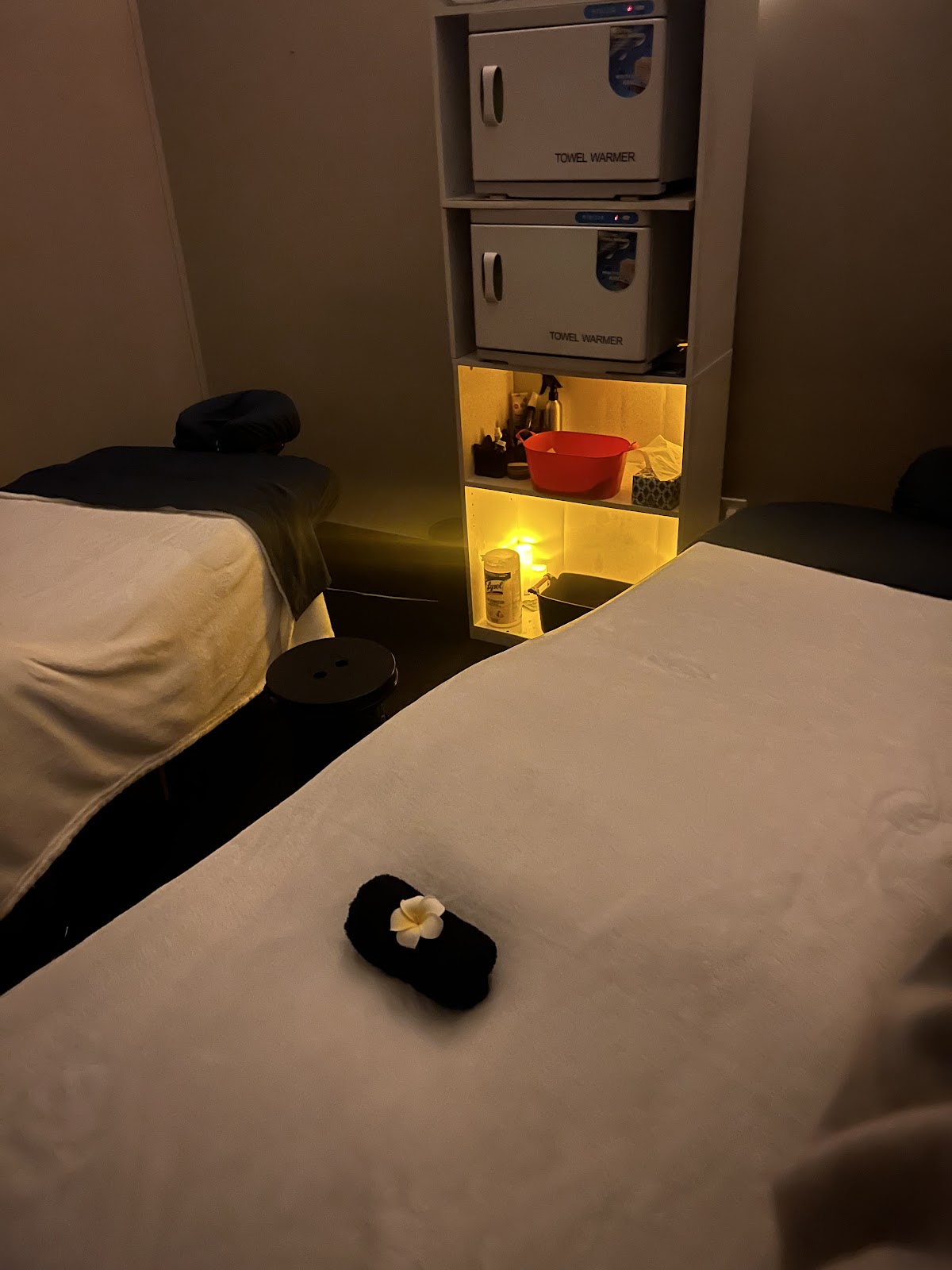
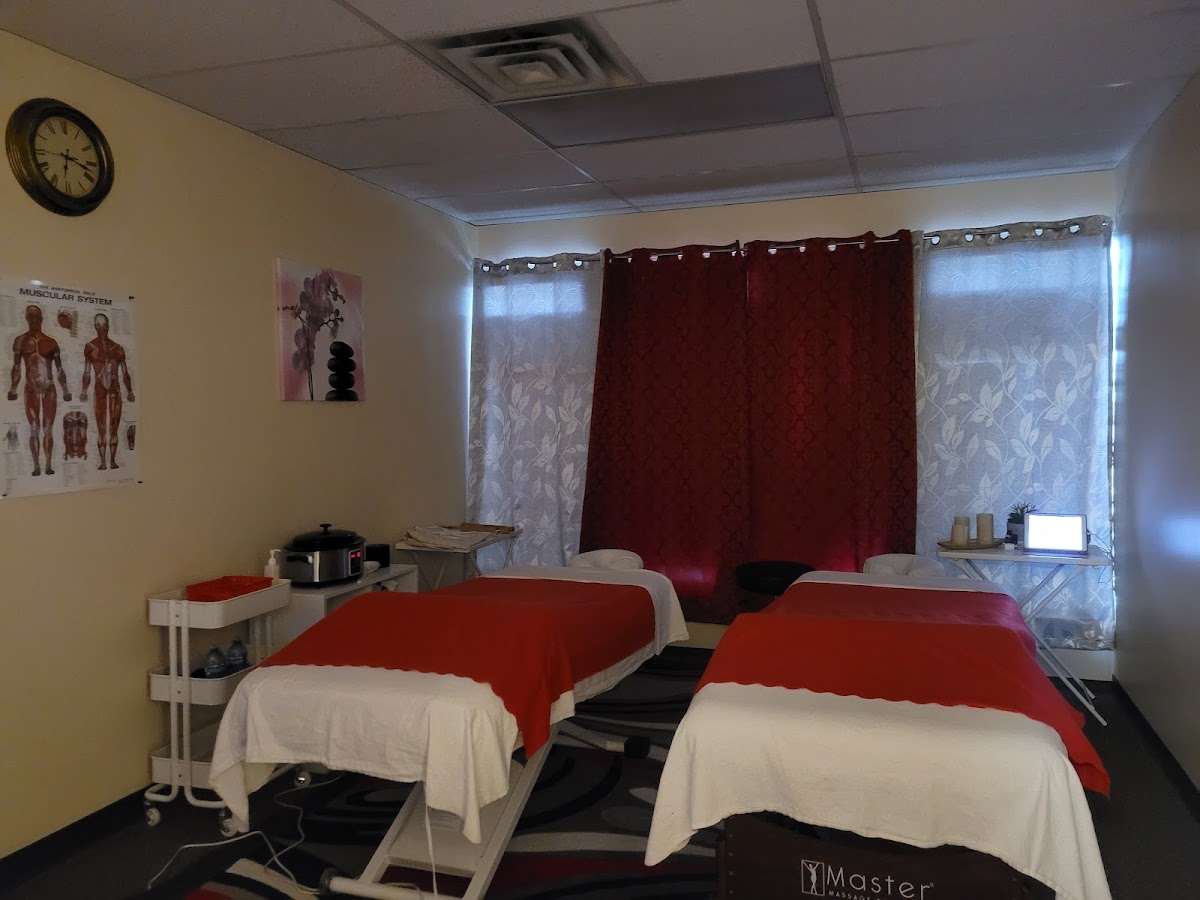
- Positioning: Clients lie fully clothed on a comfortable massage table. The practitioner may use pillows or supports to ensure comfort.
- Assessment: The therapist gently assesses the craniosacral system, noting areas of tension or restriction.
- Treatment: Using light touch, the practitioner applies various techniques to facilitate the release of tension and restore balance.
- Post-Session Reflection: After the session, clients may be encouraged to reflect on their experience and any sensations they felt during the treatment.
Preparation and Aftercare
Preparing for a Session
- Wear loose, comfortable clothing to allow for ease of movement.
- Arrive hydrated and avoid large meals before the session.
- Communicate any specific areas of concern to your therapist.
Aftercare Recommendations
- Drink plenty of water to help flush out toxins released during the session.
- Rest and allow your body to process the treatment.
- Be mindful of any changes in how you feel, both physically and emotionally, in the days following the session.
---
Practical Applications of Craniosacral Therapy in Alberta
Finding a Qualified Practitioner
In Alberta, practitioners of craniosacral therapy are often registered massage therapists (RMTs) who have additional training in this specialized technique. When searching for a qualified practitioner in Calgary or Edmonton, look for:
- Certification in craniosacral therapy from a recognized institution.
- Positive reviews from previous clients.
- Clear communication about their approach and techniques.
Cost of Craniosacral Therapy in Alberta
The average cost of a craniosacral therapy session in Alberta typically ranges from $85 to $120 for a 60-minute session, depending on the practitioner's experience and location. It's advisable to check with your insurance provider to see if craniosacral therapy is covered under your plan.
Alberta's Massage Therapy Regulations
In Alberta, registered massage therapists must complete accredited programs and adhere to regulations set forth by the College of Massage Therapists of Alberta (CMTA). This ensures that practitioners are well-trained and capable of providing safe, effective care. Craniosacral therapy, while not regulated separately, is often provided as part of a broader suite of services offered by RMTs.
---
Conclusion
Craniosacral therapy offers a unique and effective approach to enhancing postural alignment and overall wellness for Albertans. By understanding the principles of CST, its techniques, and its benefits, individuals can make informed decisions about integrating this therapy into their health routines. Whether you are dealing with chronic pain, stress, or simply seeking to improve your posture, craniosacral therapy may provide the relief and support you need.
As you search for craniosacral therapy services in Calgary or Edmonton, prioritize finding certified practitioners who can guide you on your journey toward improved health and well-being. With the right support, you can enhance your postural alignment, promote relaxation, and experience the many benefits that come from aligning your body's natural rhythms.