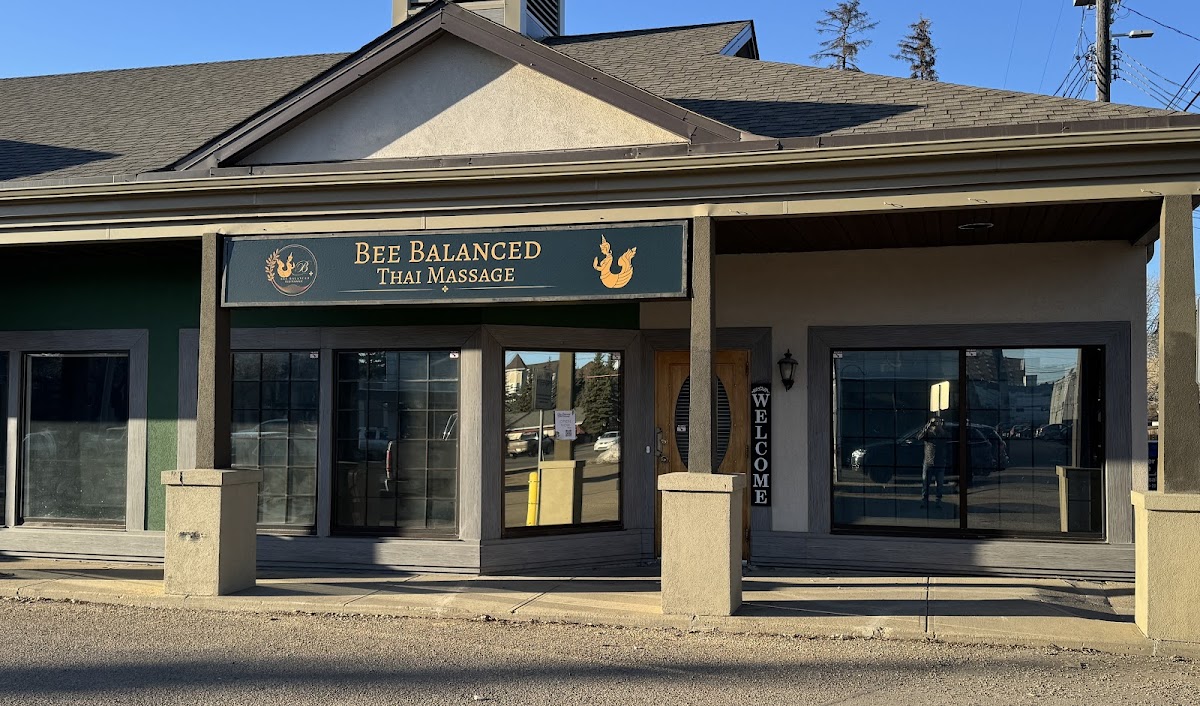
Revitalizing Touch: The Benefits of Thai Massage Techniques in Alberta's Wellness Scene
In the bustling cities of Calgary and Edmonton, Albertans are increasingly exploring diverse wellness practices that offer holistic benefits. Among these, Thai massage stands out for its unique techniques and profound impact on physical and mental well-being. As a blend of yoga-like stretching and acupressure, Thai massage is not just a luxury; it’s an essential tool for stress relief and increased flexibility. If you're seeking to enhance your wellness routine, understanding the intricacies of Thai massage techniques may be your first step toward revitalization.
Understanding Thai Massage Techniques
What is it?
Thai massage, or Nuad Bo-Rarn, is an ancient healing practice rooted in traditional Thai medicine. Originating over 2,500 years ago, it combines elements of yoga, acupressure, and meditation, offering a comprehensive approach to wellness. Unlike conventional massages, which typically involve the use of oils and lotions on a massage table, Thai massage is performed fully clothed on a mat, focusing on stretching and pressure points.
How it Works
This technique utilizes a series of rhythmic movements and stretches, engaging the client’s body in a way that promotes flexibility and relaxation. The practitioner applies pressure along energy lines, known as "Sen," to release blockages and enhance energy flow. This process stimulates circulation, alleviates tension in muscles, and calms the nervous system, leading to overall well-being.
Who It's For
Thai massage is ideal for a wide range of individuals, particularly those seeking:
- Stress relief and relaxation
- Improved flexibility and range of motion
- Enhanced energy levels
- Relief from muscle tension and pain
- Support for physical and mental health
However, it may not be suitable for everyone. Pregnant women, those with certain medical conditions, or individuals recovering from recent surgeries should consult a healthcare professional before engaging in this therapy.
Key Benefits
- Enhanced Flexibility: The stretching techniques help improve muscle elasticity and joint mobility.
- Stress Reduction: The meditative aspect of Thai massage promotes mental clarity and emotional calmness.
- Pain Relief: Effective for chronic pain management, particularly in the back, neck, and shoulders.
- Improved Circulation: The combination of pressure and movement boosts blood flow, delivering oxygen and nutrients to muscles.
The Physiological Effects of Thai Massage
Thai massage affects the body on multiple levels. The techniques enhance muscle relaxation and stimulate the circulatory system, promoting blood flow and oxygenation. This, in turn, can lead to a decrease in muscle soreness and tension. The rhythmic nature of the massage also engages the parasympathetic nervous system, fostering a deep state of relaxation and reducing cortisol levels associated with stress.
Comparing Thai Massage to Other Techniques
While various massage therapies exist, Thai massage distinguishes itself through its unique methodology. Unlike Swedish massage, which uses long, gliding strokes and is primarily focused on relaxation, Thai massage incorporates deep stretching and acupressure techniques, making it more dynamic and physically engaging. Deep tissue massage, on the other hand, focuses on specific muscle groups and knots, often employing sustained pressure. In contrast, Thai massage offers a full-body experience, integrating both stretching and pressure without the use of oils.
What to Expect During a Thai Massage Session
Duration and Positioning
A typical Thai massage session lasts between 60 to 90 minutes. Clients remain fully clothed in comfortable attire, allowing for unrestricted movement. Sessions take place on a padded mat or mat-like surface, where practitioners guide clients through a series of stretches while applying pressure to specific points on the body.
The Experience
During a session, expect a combination of gentle rocking, rhythmic pulling, and stretching. The practitioner will use their hands, forearms, elbows, and feet to apply pressure, leading clients through a dance-like flow of movements. It's essential to communicate with your therapist about comfort levels, as Thai massage can be more intense than other forms of massage.
Preparing for Your First Thai Massage
Prior to your first session, consider the following tips to enhance your experience:
- Wear Comfortable Clothing: Loose-fitting, breathable attire allows for greater mobility.
- Hydrate: Drink plenty of water before and after your session to help flush out toxins released during the massage.
- Communicate with Your Therapist: Share any specific concerns or areas of tension to tailor the session to your needs.
Aftercare and Recovery
Post-massage, it’s common to feel relaxed and slightly fatigued. To maximize the benefits:
- Stay Hydrated: Continue drinking water to aid in recovery and detoxification.
- Rest: Give your body time to adjust and recover, especially if experiencing new sensations or mild soreness.
- Gentle Stretching: Engage in light stretching to maintain flexibility and prevent stiffness.
Finding Thai Massage Practitioners in Alberta
In Alberta, many wellness centers, spas, and massage therapy clinics offer Thai massage. When searching for practitioners in Calgary or Edmonton, ensure they are certified and experienced in Thai techniques. Look for Registered Massage Therapists (RMTs) who have specialized training in this modality. Typical pricing for a 60-minute session ranges from $85 to $120, depending on the facility and therapist expertise.
Alberta's Massage Therapy Regulations
In Alberta, massage therapy is regulated, ensuring practitioners meet specific educational and professional standards. Registered Massage Therapists (RMTs) must complete a recognized program and adhere to ongoing education requirements. This regulation helps maintain high standards of practice and provides assurance for clients seeking therapeutic massage services.
Conclusion
Thai massage represents a revitalizing touch within Alberta's wellness scene, offering profound benefits for both the body and mind. Its holistic approach, combining stretching and acupressure, makes it a unique alternative to more traditional methods. By understanding what to expect and how to prepare