Understanding the Therapeutic Benefits of Craniosacral Therapy in Alberta
In the fast-paced world we live in, where stress and tension often take center stage, finding effective methods to promote relaxation and emotional well-being becomes essential. One therapeutic approach gaining popularity is craniosacral therapy—a gentle, hands-on technique that focuses on the central nervous system. If you're seeking ways to enhance your wellness journey, understanding the therapeutic benefits of craniosacral therapy in Alberta might just be the key.
In this comprehensive guide, we will explore the unique benefits of craniosacral therapy, how it differs from traditional massage techniques, its applications for various conditions, and how to find qualified practitioners in Calgary and Edmonton. Backed by established practices and research, this article aims to empower you with the knowledge necessary to elevate your wellness.
What You Need to Know About Craniosacral Therapy
What is Craniosacral Therapy?
Craniosacral therapy is a gentle, hands-on treatment that focuses on the membranes and fluid surrounding the brain and spinal cord. Developed in the 1970s by Dr. John Upledger, this therapy promotes the body’s natural healing processes by assessing and enhancing the craniosacral system.
How It Works
Craniosacral therapy involves light touch and specific techniques to release tension and restrictions in the craniosacral system. By applying gentle pressure, practitioners can help improve the flow of cerebrospinal fluid, which nourishes and protects the brain and spinal cord. This process not only alleviates physical discomfort but also supports emotional balance, making it a holistic approach to wellness.
Who It’s For
Craniosacral therapy is beneficial for a diverse range of individuals, including those experiencing chronic pain, stress, anxiety, migraines, or post-traumatic stress disorder (PTSD). It is particularly effective for those seeking a more gentle alternative to traditional forms of massage.
Key Benefits
The therapeutic benefits of craniosacral therapy include:
- Stress Reduction: Promotes deep relaxation, aiding in stress relief.
- Pain Management: Helpful for migraines, neck pain, and back pain.
- Emotional Support: Can assist in processing emotional trauma.
- Improved Mobility: Enhances overall physical function by relieving tension.
- Support for Central Nervous System: Aids in balancing the nervous system and promoting overall health.
The Physiological Mechanisms of Craniosacral Therapy
Craniosacral therapy operates on the principle that the body has an innate ability to heal itself. The therapy's gentle movements stimulate the craniosacral system, promoting significant physiological changes, such as:
- Muscle Relaxation: Gentle manipulation of the craniosacral system can help release tension in the muscles.
- Enhanced Circulation: Improved blood flow and cerebrospinal fluid movement support overall health and function.
- Nervous System Regulation: By calming the central nervous system, craniosacral therapy helps to alleviate symptoms of anxiety and stress.
Comparing Craniosacral Therapy to Other Massage Techniques
While craniosacral therapy focuses primarily on the craniosacral system, it differs significantly from other massage types:
- Deep Tissue Massage: This technique applies firm pressure to relieve muscle tension and may cause discomfort. In contrast, craniosacral therapy employs gentle pressure, making it suitable for individuals who cannot tolerate deep tissue work.
- Swedish Massage: Known for its relaxation effects using long, flowing strokes, Swedish massage is designed for tension relief but may not address deeper physiological issues like craniosacral therapy.
- Thai Massage: Involves stretching and acupressure techniques, whereas craniosacral therapy focuses on light touch and the central nervous system.
Indications and Contraindications
Who Benefits Most?
Craniosacral therapy is particularly beneficial for:
- Individuals with chronic pain syndromes
- Those recovering from surgeries or injuries
- People dealing with stress, anxiety, or emotional trauma
- Infants with developmental concerns or birth trauma
Contraindications
While craniosacral therapy is generally safe, it is not recommended for individuals with:
- Severe head injuries or fractures
- Acute intracranial hemorrhages
- Certain neurological conditions (consult with a healthcare professional)
What to Expect During a Typical Craniosacral Therapy Session
A typical craniosacral therapy session lasts between 60 to 90 minutes, allowing enough time for a thorough assessment and treatment. Here’s what you can expect:
- Initial Consultation: Your therapist will discuss your health history and any specific concerns.
- Positioning: You will lie fully clothed on a treatment table in a comfortable position, often on your back.
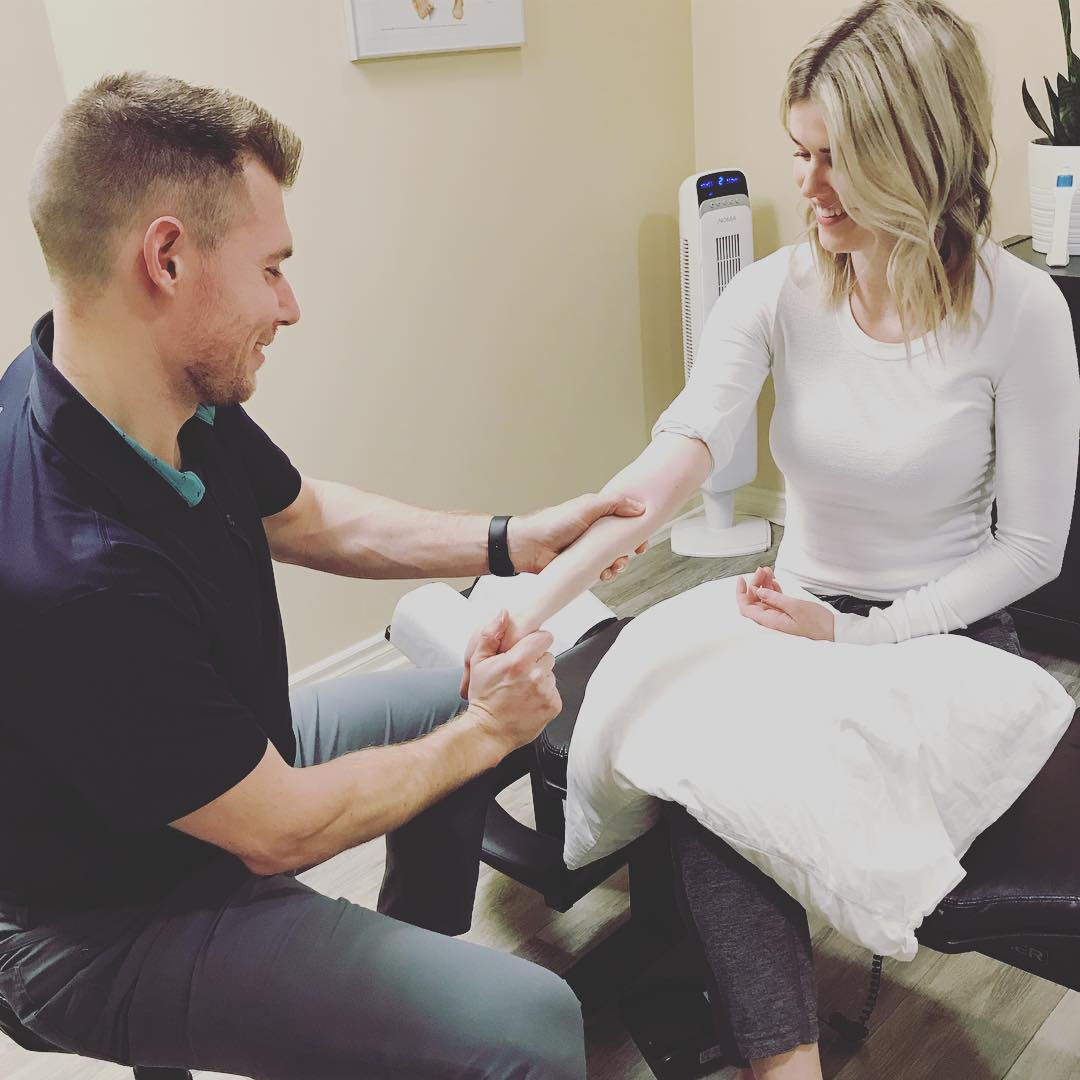
- Gentle Touch: The therapist will lightly place their hands on your body to assess your craniosacral rhythm and any areas of restriction.
- Treatment: The therapist will use hands-on techniques to release tension and promote healing.
- Post-Treatment Discussion: After the session, your therapist may discuss your experience and provide recommendations for follow-up care.
Finding Qualified Craniosacral Therapists in Alberta
In Alberta, it's essential to find a qualified practitioner to ensure safety and effectiveness. Here are some tips:
- Look for Registered Massage Therapists (RMTs): In Alberta, RMTs are regulated and must meet specific educational and licensing requirements. Seek therapists who have additional training in craniosacral therapy.
- Check Credentials: Ensure the therapist has certifications in craniosacral therapy from reputable organizations.
- Read Reviews: Look for testimonials or reviews from previous clients to gauge the therapist's effectiveness and approach.
- Ask About Experience: Inquire about the practitioner’s experience in treating conditions