The Role of Manual Therapy Techniques in Managing Alberta's Winter Sports Injuries
As winter blankets Alberta with snow, outdoor enthusiasts rush to embrace the exhilarating activities that the season offers: skiing, snowboarding, ice skating, and snowshoeing. While these activities are thrilling, they also come with a heightened risk of sports injuries due to cold weather, slippery surfaces, and the physical demands of winter sports. In this context, manual therapy techniques such as myofascial release and deep tissue massage play a crucial role in managing and preventing injuries. This comprehensive guide explores the effectiveness of manual therapy in addressing common winter sports injuries faced by athletes in Calgary and Edmonton, providing insights into the physiological benefits of these therapies and practical advice for maximizing recovery and performance.
Understanding Manual Therapy Techniques
What are Manual Therapy Techniques?
Manual therapy techniques encompass a variety of hands-on methods that are designed to treat musculoskeletal pain and dysfunction. These techniques include myofascial release, deep tissue massage, joint mobilization, and more. Each method targets specific tissue types, including muscles, connective tissues, and fascia, to improve mobility, relieve pain, and promote healing.
How Do Manual Therapy Techniques Work?
Manual therapy works by manipulating the soft tissues and joints to increase blood circulation, reduce muscle tension, and improve overall joint mobility. For instance, myofascial release focuses on relieving restrictions in the fascia—the connective tissue that surrounds muscles. This technique utilizes sustained pressure and stretching to release tight areas, promoting relaxation and restoring function.
Who Benefits from Manual Therapy?
Athletes, particularly those engaging in winter sports, are prime candidates for manual therapy. Individuals suffering from muscle strains, sprains, tendonitis, or postural issues can benefit significantly. Additionally, recreational skiers and snowboarders who may push their limits are also suitable candidates for these therapeutic techniques.
Key Benefits of Manual Therapy Techniques
- Pain Relief: Reduces muscle soreness and tension, providing immediate relief.
- Improved Flexibility: Enhances the range of motion in joints, crucial for athletic performance.
- Faster Recovery: Accelerates healing by increasing blood flow and lymphatic drainage.
- Stress Reduction: Promotes relaxation, reducing anxiety and enhancing mental clarity.
Common Winter Sports Injuries in Alberta
Before diving into specific manual therapy techniques, it's essential to understand the types of injuries that commonly occur among winter sports enthusiasts in Alberta.
1. Muscle Strains
Muscle strains are common among athletes engaged in high-intensity sports like skiing and snowboarding. They occur when muscles are overstretched or torn, often due to sudden movements or falls.
2. Ligament Sprains
Ligament sprains involve the overstretching or tearing of ligaments, often occurring during abrupt changes in direction. Snowboarding, for instance, can lead to ankle or knee sprains.
3. Tendonitis
Tendonitis is characterized by inflammation of the tendons, commonly affecting the knees, shoulders, and Achilles tendon in athletes. Cold weather can exacerbate this condition, leading to chronic pain.
4. Fractures
Falls while skiing or snowboarding can lead to fractures, particularly in the wrist or collarbone. These injuries require immediate medical attention and often necessitate rehabilitation.
5. Frostbite
Though not a traditional sports injury, frostbite can affect athletes participating in extreme cold conditions, leading to damage to skin and underlying tissues.
Manual Therapy Techniques for Managing Winter Sports Injuries
Myofascial Release
What is Myofascial Release?
Myofascial release is a specialized manual therapy technique that focuses on relieving tension in the fascia, the connective tissue that surrounds muscles and organs. This technique involves applying gentle, sustained pressure to specific areas to release restrictions.
How Myofascial Release Works
By targeting tight fascia, myofascial release promotes relaxation and restores normal movement patterns. It enhances blood circulation, allowing nutrients to flow to injured tissues while facilitating the removal of metabolic waste.
Who Should Use Myofascial Release?
Athletes experiencing muscle tightness, chronic pain, or limited flexibility can benefit from myofascial release. It’s particularly effective for those recovering from muscle strains or tendonitis.
Key Benefits of Myofascial Release
- Reduces muscle tension and soreness.
- Improves circulation and lymphatic drainage.
- Enhances overall flexibility and range of motion.
- Aids in breaking down scar tissue from previous injuries.
Deep Tissue Massage
What is Deep Tissue Massage?
Deep tissue massage is a therapeutic technique that targets deeper layers of muscles and connective tissue. It employs slow, firm strokes and deep finger pressure to alleviate chronic tension and pain.
How Deep Tissue Massage Works
By applying focused pressure to specific muscle groups, deep tissue massage breaks up adhesions (knots) and improves circulation. This process helps to ease muscle stiffness and promotes overall relaxation.
Who Should Consider Deep Tissue Massage?
Athletes who experience chronic muscle pain, tightness, or those recovering from injuries will find deep tissue massage particularly beneficial. It’s also suitable for individuals with a physically demanding lifestyle.
Key Benefits of Deep Tissue Massage
- Eases chronic pain and discomfort.
- Enhances circulation and oxygen flow to muscles.
- Reduces inflammation and promotes healing.
- Helps in realigning muscle fibers and restoring mobility.
Other Manual Therapy Techniques
In addition to myofascial release and deep tissue massage, other techniques such as joint mobilization and neuromuscular therapy can also be beneficial. These techniques are utilized based on the specific injury and the athlete's needs.
What to Expect During a Manual Therapy Session
Duration and Frequency
A typical manual therapy session lasts between 60 to 90 minutes, depending on the complexity of the injury and the techniques used. For optimal results, athletes may benefit from regular sessions, particularly during the peak winter sports season.
Positioning
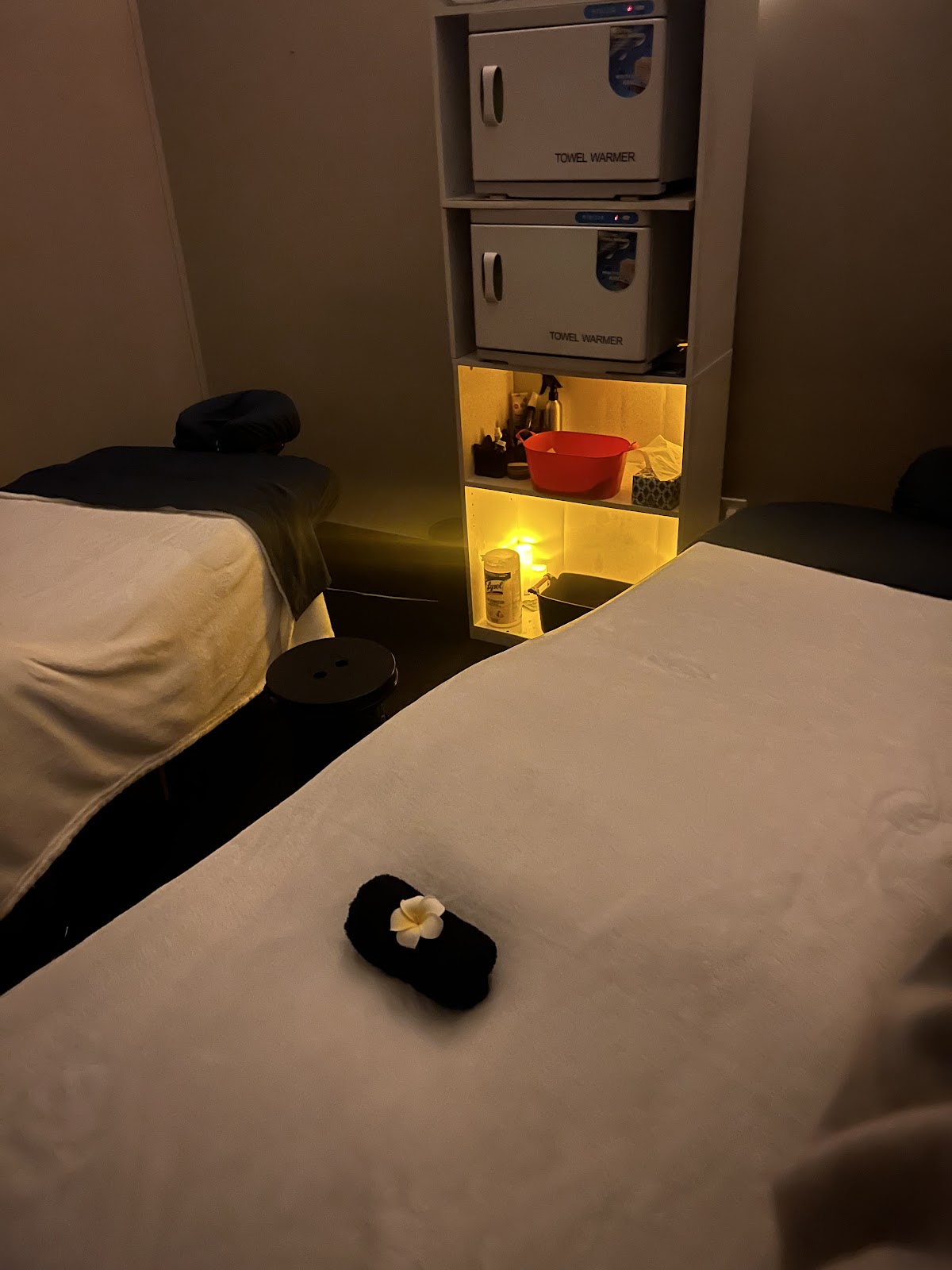
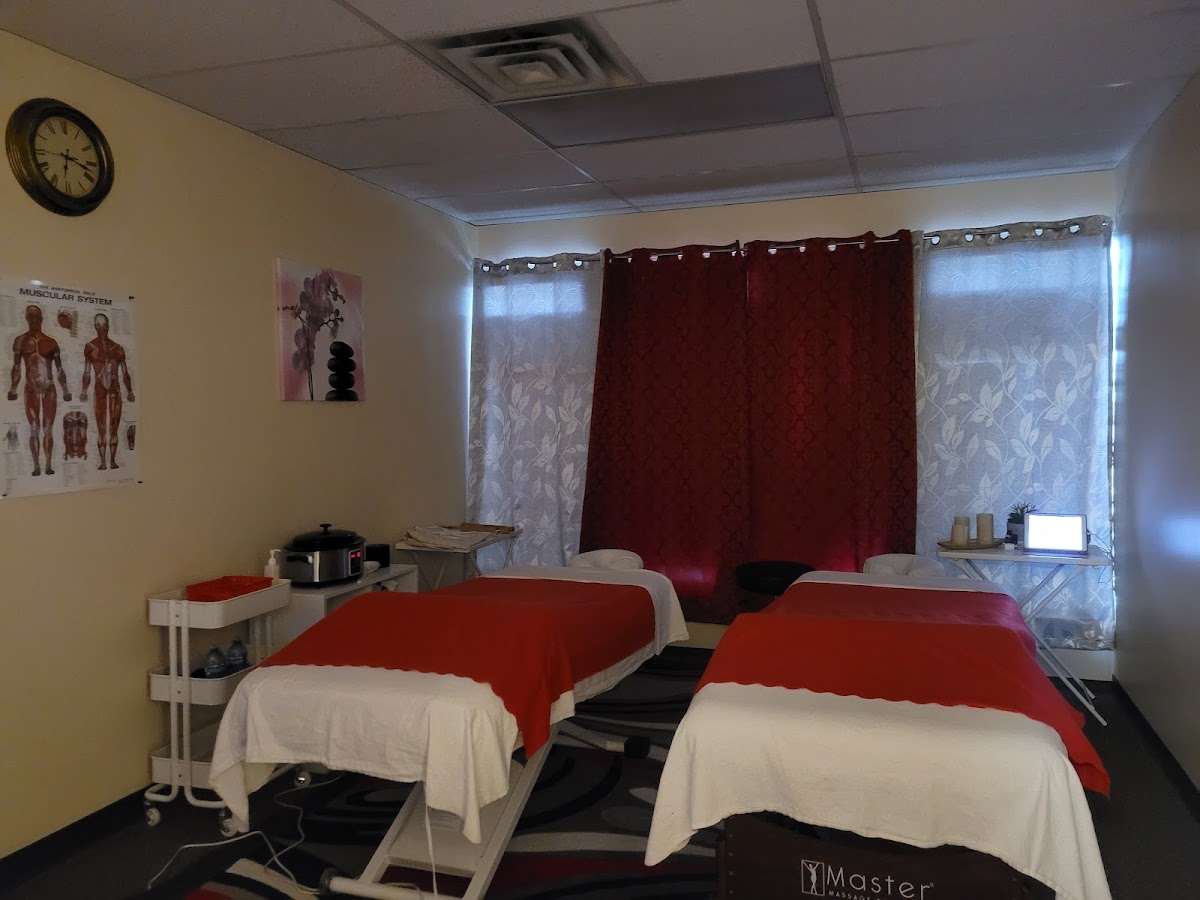
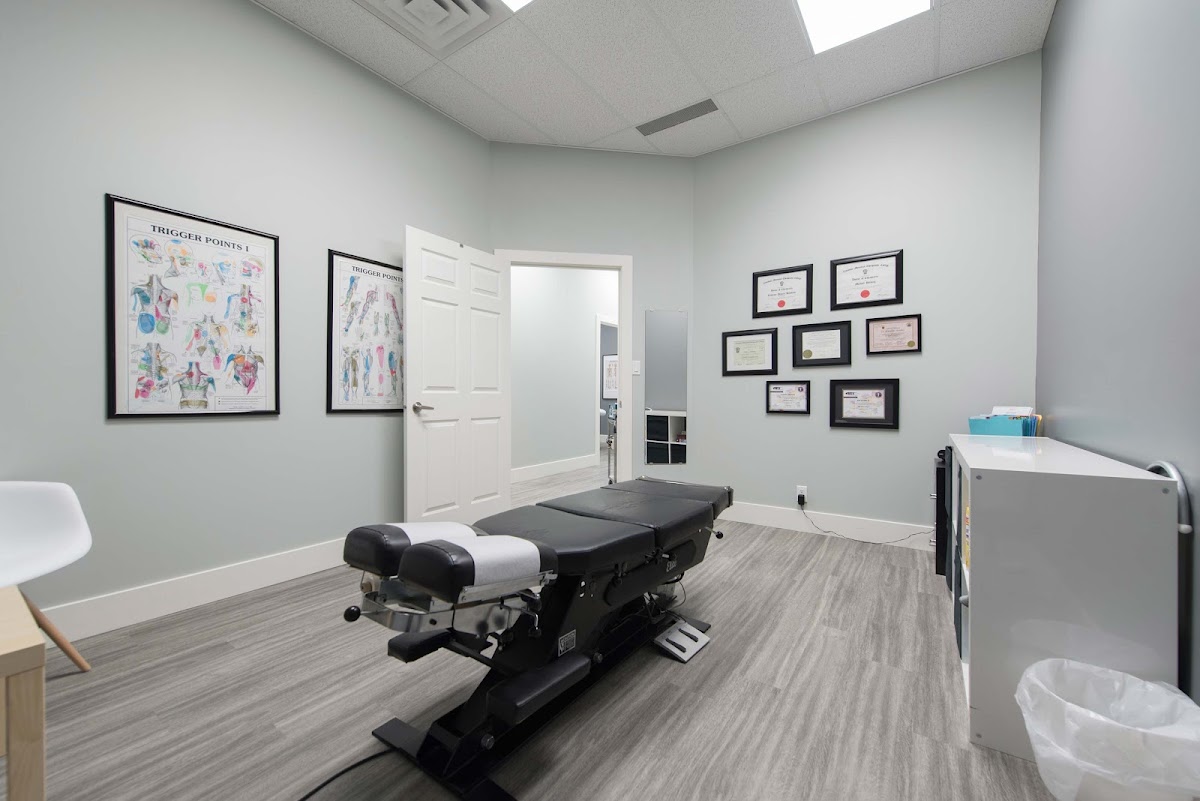
During a session, clients may be positioned lying down on a treatment table or seated, depending on the area being treated. A registered massage therapist (RMT) will ensure comfort and privacy throughout the process.
What Happens During a Session?
- Initial Assessment: The therapist will conduct an assessment to understand the athlete's history, current injuries, and specific needs.
- Technique Application: Based on the assessment, the therapist will apply appropriate techniques, focusing on areas of tension or pain.
- Feedback Loop: The therapist will encourage clients to provide feedback on pressure and comfort levels to tailor the session effectively.
- Post-Treatment Guidance: After the session, the therapist may provide recommendations for aftercare, including stretches, hydration, and rest.
Preparing for Your First Manual Therapy Session
Before Your Session
- Hydrate: Drink plenty of water before your appointment to assist with the flushing of toxins post-treatment.
- Communicate: Be open about any existing medical conditions or injuries during your initial assessment.
- Dress Comfortably: Wear loose-fitting clothing that allows for easy movement.
After Your Session
- Rest: Allow your body time to recover; avoid strenuous activities immediately after treatment.
- Hydrate Again: Drinking water post-treatment helps to rehydrate muscles and flush out toxins.
- Follow-Up: Schedule regular sessions if necessary, especially during the winter sports season.
Local Context: Winter Sports and Manual Therapy in Alberta
Alberta's Winter Sports Scene
Alberta's stunning mountain ranges and vast outdoor landscapes attract winter sports enthusiasts from all over Canada. Cities like Calgary and Edmonton offer numerous recreational facilities for skiing, snowboarding, and ice sports. However, the cold weather can lead to increased muscle tension and risk of injury, making manual therapy an essential component of athletes' wellness routines.
Pricing Ranges in Calgary and Edmonton
The cost of manual therapy sessions in Alberta can vary. On average, a 60-minute deep tissue massage or myofascial release session typically ranges from $85 to $120. Prices may fluctuate based on the therapist's experience and the clinic's location.
Finding a Registered Massage Therapist (RMT)
When seeking manual therapy services in Calgary or Edmonton, look for practitioners who are registered with the Alberta Massage Therapy Association (AMTA). RMTs are trained and certified in various therapeutic techniques, ensuring a high standard of care.
Alberta’s Massage Therapy Regulations
In Alberta, massage therapy is regulated, ensuring that practitioners meet specific educational and professional standards. This regulation provides clients with peace of mind and assures quality care.
Conclusion
As winter sports season approaches in Alberta, the risk of injuries increases significantly. Manual therapy techniques like myofascial release and deep tissue massage serve as invaluable tools for managing and preventing these injuries. By understanding the physiological benefits of these therapies, athletes can enhance their recovery, performance, and overall well-being during the colder months.
If you are an outdoor enthusiast in Calgary or Edmonton, consider incorporating manual therapy into your winter sports routine. By consulting with a qualified RMT, you can tailor a treatment plan that meets your specific needs, helping you stay active and injury-free this winter season. Embrace the thrill of winter sports while prioritizing your health and recovery—because a resilient athlete is a thriving athlete.