The Role of Massage Therapy in Enhancing Sleep Quality for Albertans
Introduction
In today’s fast-paced world, sleep often takes a backseat as we juggle work, family, and social commitments. For residents of Alberta, where the long winters can lead to increased stress and tension, it's vital to find effective ways to improve sleep quality. This is where massage therapy comes into play. With its ability to promote relaxation and relieve tension, massage therapy has emerged as a powerful ally for those struggling to get a good night's rest.
In this comprehensive guide, we will explore the role of massage therapy in enhancing sleep quality specifically for Albertans. We will delve into various massage techniques, their benefits, and how they contribute to better sleep patterns. Supported by current research and expert insights, you will learn how to incorporate these practices into your wellness routine to enhance your overall well-being.
Understanding Massage Therapy
What is Massage Therapy?
Massage therapy is a holistic treatment that involves the manipulation of soft tissues in the body, including muscles, tendons, ligaments, and connective tissues. This therapeutic practice aims to promote relaxation, relieve pain, and improve circulation, making it a popular choice for individuals seeking to enhance their physical and mental well-being.
How It Works
Massage therapy works by stimulating the body’s natural relaxation response. It enhances blood flow, reduces muscle tension, and decreases cortisol levels (the stress hormone). The physical touch involved in massage triggers the release of endorphins, promoting a sense of well-being and relaxation. This is particularly beneficial for individuals struggling with sleep issues, as it helps calm the mind and prepares the body for rest.
Who It's For
Massage therapy is suitable for a wide range of individuals, including those experiencing:
- Sleep disturbances due to stress or anxiety
- Chronic pain conditions (e.g., fibromyalgia, arthritis)
- Muscle tension from physical activity or sedentary lifestyles
- General fatigue and exhaustion
Whether you live in Calgary or Edmonton, massage therapy can be tailored to meet your specific needs, making it an excellent option for those seeking better sleep quality.
Key Benefits
The benefits of massage therapy extend beyond relaxation. Here are some key advantages that can significantly enhance sleep quality:
- Reduces stress and anxiety: By lowering cortisol levels, massage helps to alleviate stress and anxiety, promoting a calm state conducive to sleep.
- Promotes relaxation: The physical act of massage stimulates the parasympathetic nervous system, which encourages relaxation and reduces tension.
- Improves circulation: Enhanced blood flow can lead to better oxygenation of tissues, aiding in recovery and overall health.
- Relieves muscle tension and pain: Alleviating discomfort can make it easier to fall asleep and stay asleep throughout the night.
- Enhances overall well-being: Regular massage therapy can lead to improved mood, increased energy levels, and better emotional health, all of which contribute to a more restful sleep.
The Connection Between Massage Therapy and Sleep Quality
Research has increasingly shown a clear connection between massage therapy and improved sleep quality. Several studies highlight the positive effects of massage on sleep patterns and overall health.
Scientific Studies
- Sleep and Massage: A study published in the journal *Applied Psychophysiology and Biofeedback* found that patients who received massage therapy reported significant improvements in sleep quality. The study concluded that massage not only helps in reducing sleep disturbances but also enhances overall sleep duration.
- Stress and Relaxation: Another research project published in *The Journal of Clinical Psychiatry* indicated that regular massage therapy sessions significantly reduce anxiety and stress levels, leading to better sleep outcomes. Participants who received massage therapy exhibited lower levels of anxiety and reported a more restful sleep experience.
- Chronic Pain and Sleep: For individuals suffering from chronic pain, a study published in *Pain Medicine* revealed that massage therapy could help in significantly reducing pain levels, thereby improving sleep quality. Pain management is a crucial factor in achieving restorative sleep.
Types of Massage Therapy Beneficial for Sleep
Different massage techniques can offer varied benefits. Here, we outline some popular types of massage therapy that may enhance sleep quality for Albertans.
1. Swedish Massage
Overview: This traditional form of massage uses long, flowing strokes to promote relaxation and improve circulation.
Benefits for Sleep: The gentle nature of Swedish massage helps to reduce muscle tension and stress, making it an excellent choice for those looking to unwind before bedtime.
2. Deep Tissue Massage
Overview: Deep tissue massage focuses on the deeper layers of muscle tissue and fascia. It uses more intense pressure to relieve chronic pain and tension.
Benefits for Sleep: By addressing specific areas of muscle tightness, deep tissue massage can alleviate chronic pain conditions, leading to improved sleep quality. However, it is essential to communicate with your therapist about the pressure level to ensure comfort.
3. Aromatherapy Massage
Overview: This massage incorporates essential oils to enhance relaxation and promote emotional well-being.
Benefits for Sleep: The calming scents of essential oils, such as lavender, can create a tranquil environment, helping to reduce anxiety and promote a restful night’s sleep.
4. Shiatsu Massage
Overview: A form of Japanese massage that uses finger pressure on specific points along the body’s meridians.
Benefits for Sleep: Shiatsu focuses on balancing the body’s energy flow, which can lead to a profound state of relaxation, making it easier to drift off to sleep.
What to Expect During a Massage Therapy Session
For first-time clients, knowing what to expect during a massage therapy session can alleviate any anxieties and enhance the experience.
Pre-Session Preparation
- Consultation: During your initial visit, the registered massage therapist (RMT) will conduct a thorough consultation to understand your health history, specific concerns, and sleep challenges.
- Setting Preferences: You will have the opportunity to discuss your preferred type of massage, pressure level, and any specific areas of focus.
The Massage Experience
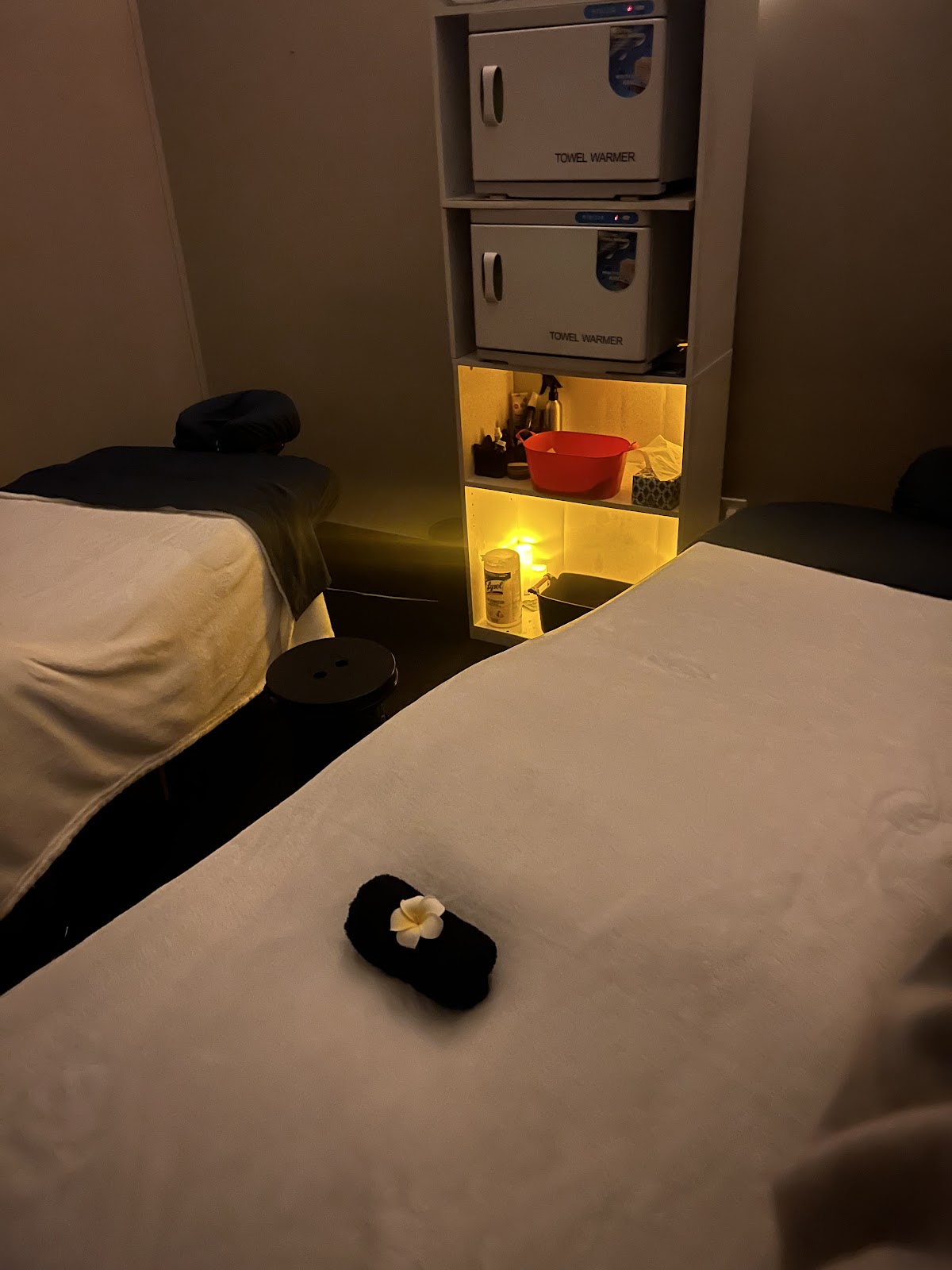
- Environment: Most massage therapy sessions are conducted in a calming, quiet environment. Soft lighting and soothing music contribute to the relaxation process.
- Duration: Sessions typically last between 60 to 90 minutes, allowing ample time for relaxation and thorough treatment.
- Clothing: Depending on the type of massage, you may remain dressed in comfortable clothing or undressed under a sheet. Your therapist will ensure your comfort and privacy throughout the session.
- Post-Session Advice: After your massage, your therapist may offer recommendations for self-care, including hydration, stretches, and relaxation techniques to enhance the benefits of the session.
Preparing for Your Massage Therapy Session
To maximize the benefits of your massage therapy session, consider the following tips:
- Stay Hydrated: Drink plenty of water before and after your session to help flush out toxins released during the massage.
- Arrive Early: Give yourself enough time to arrive, relax, and fill out any necessary forms without feeling rushed.
- Communicate: Don’t hesitate to communicate your preferences, comfort level, and any areas of concern with your therapist.
Aftercare and Maintenance
To ensure you gain the most from your massage therapy sessions, follow these aftercare tips:
- Hydration: Continue to drink water to stay hydrated and aid in muscle recovery.
- Gentle Stretching: Engage in gentle stretches to maintain flexibility and help reduce tension.
- Rest: Allow your body time to recover post-massage. Consider incorporating a short nap or quiet time into your day.
- Regular Sessions: To maintain improved sleep quality, consider scheduling regular massage therapy sessions, ideally once a month or as needed.
Local Context: Massage Therapy in Alberta
When searching for massage therapy in Alberta, it's essential to be aware of local regulations and practices.
Licensing and Certification
In Alberta, massage therapists must be registered and certified to practice legally. Look for RMTs who have completed accredited training programs and hold a license. This ensures that you receive safe and effective treatment.
Pricing
The average cost of a 60-minute massage session in Calgary and Edmonton ranges from $85 to $120, depending on the type of massage and the therapist's experience. Some facilities may offer package deals or discounts for first-time clients.
Finding Practitioners
To find qualified massage therapists in your area, consider the following:
- Online Directories: Websites like the Alberta Massage Therapy Association (AMTA) provide listings of certified therapists.
- Referrals: Ask friends, family, or healthcare providers for recommendations.
- Reviews: Check online reviews and testimonials to gauge the experiences of other clients.
Conclusion
The role of massage therapy in enhancing sleep quality for Albertans cannot be understated. By understanding the various techniques available, the science behind their effectiveness, and how to integrate them into a wellness routine, you can take significant steps toward improving your sleep and overall health.
Whether you choose a Swedish massage for relaxation, deep tissue for pain relief, or aromatherapy for added tranquility, each treatment offers unique benefits that can help you achieve a more restful night’s sleep.
As you embark on your journey to better sleep, consider reaching out to a certified registered massage therapist in Alberta. With their expertise, you can create a personalized plan that supports your wellness goals and enhances your sleep quality. Remember, prioritizing your sleep is investing in your health, and massage therapy can be a vital part of that journey.