The Therapeutic Benefits of Myofascial Release for Albertans: Techniques & Insights
In a province as vibrant and active as Alberta, residents are often in pursuit of wellness solutions that align with their dynamic lifestyles. Whether you’re an athlete in Calgary training for the next big competition, or a busy professional in Edmonton dealing with the stresses of daily life, the need for effective pain management and recovery techniques is widespread. One such method gaining traction is myofascial release, a specialized massage technique that targets the fascia, the connective tissue surrounding muscles and organs. This article will explore the therapeutic benefits of myofascial release for Albertans, providing insights into its techniques, applications, and the science behind its effectiveness.
Understanding Myofascial Release
What is Myofascial Release?
Myofascial release is a therapeutic technique that focuses on relieving tension in the fascia, the thin casing of connective tissue that surrounds muscles throughout the body. Developed in the mid-20th century, myofascial release has become increasingly popular in the realm of massage therapy, particularly due to its effectiveness in addressing chronic pain and mobility issues.
How Does Myofascial Release Work?
The process of myofascial release involves applying gentle, sustained pressure to the fascia. This pressure helps to release restrictions and improve blood flow, thereby promoting healing and reducing pain. The technique is often performed by a registered massage therapist (RMT) who is trained to identify areas of tension and apply the appropriate pressure.
Who Benefits from Myofascial Release?
Myofascial release can be beneficial for a wide range of individuals, including:
- Athletes: To improve flexibility, reduce recovery time, and enhance performance.
- Individuals with Chronic Pain: Those suffering from conditions like fibromyalgia, migraines, or back pain.
- Post-Surgery Patients: To help recover mobility and reduce scar tissue formation.
- People with Stress and Tension: To alleviate stress-related muscle tightness.
Key Benefits of Myofascial Release
The therapeutic benefits of myofascial release include:
- Pain Relief: Reduces muscle tension and chronic pain.
- Improved Mobility: Enhances range of motion and flexibility.
- Better Circulation: Increases blood flow and oxygen supply to muscles.
- Stress Reduction: Promotes relaxation and overall well-being.
The Science Behind Myofascial Release
Understanding the physiological mechanisms of myofascial release can deepen our appreciation of its benefits. The fascia is a dense, fibrous connective tissue that can become tight or restricted due to injury, overuse, or stress. This tension can lead to pain and decreased mobility.
Physiological Mechanisms
- Fascia Release: The gentle pressure applied during myofascial release helps to elongate and release the fascia, allowing for improved movement and reduced pain.
- Nervous System Response: The technique stimulates the parasympathetic nervous system, which is responsible for relaxation. This can lead to a reduction in stress levels and anxiety.
- Increased Blood Flow: By releasing restrictions in the fascia, myofascial release enhances circulation, promoting healing and recovery.
Techniques Used in Myofascial Release
Myofascial release techniques can vary among practitioners, but some common methods include:
- Direct Pressure: Applying sustained pressure to specific points on the body to release tension.
- Stretching Movements: Gently stretching the fascia to help improve flexibility and mobility.
- Gentle Manipulation: Using slow, deliberate movements to encourage the release of tight areas.
Comparison with Other Massage Types
While myofascial release shares similarities with other massage techniques, such as deep tissue or Swedish massage, there are distinct differences:
- Deep Tissue Massage: Focuses on deeper muscle layers, often using firmer pressure. Myofascial release, on the other hand, employs gentler pressure to target the fascia.
- Swedish Massage: Utilizes lighter strokes aimed at relaxation. Myofascial release is more focused on addressing specific restrictions and pain points.
- Thai Massage: Involves stretching and mobility but is more dynamic compared to the static pressure used in myofascial release.
Indications and Contraindications for Myofascial Release
Indications
- Chronic pain conditions such as back pain, neck pain, and headaches.
- Sports injuries, including strains and sprains.
- Post-surgical recovery to improve mobility and reduce scar tissue.
- Stress-related tension in the body.
Contraindications
While myofascial release is generally safe, there are specific situations where it should be avoided:
- Acute Injuries: Recent injuries may require different treatment approaches.
- Certain Medical Conditions: Individuals with specific medical conditions, such as severe osteoporosis or fractures, should consult their healthcare provider before undergoing myofascial release.
What to Expect During a Myofascial Release Session
If you’re considering myofascial release therapy in Alberta, here’s what you can expect during your session:
Duration
A typical myofascial release session can last between 60 to 90 minutes, depending on the specific needs of the client.
Positioning
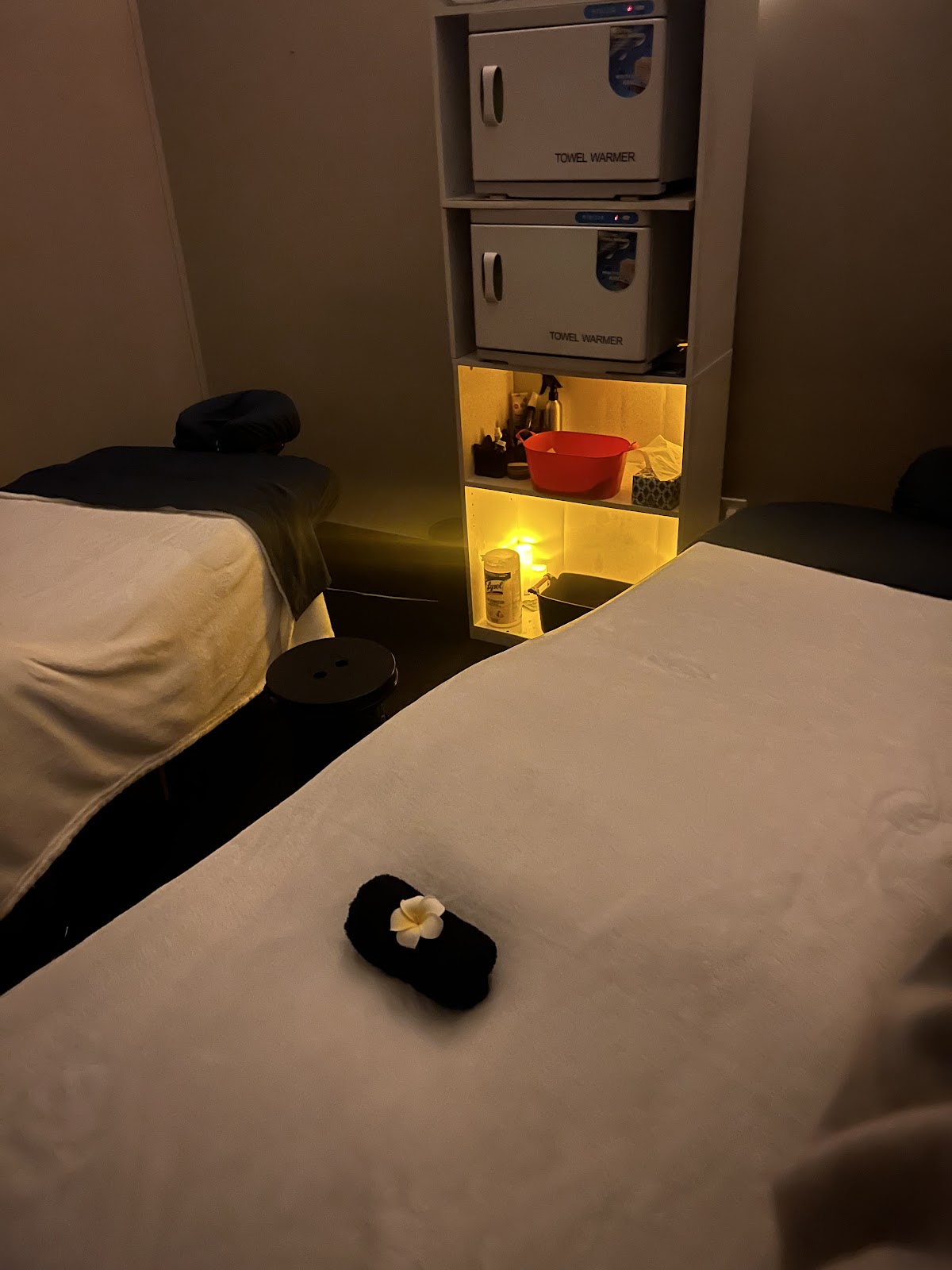
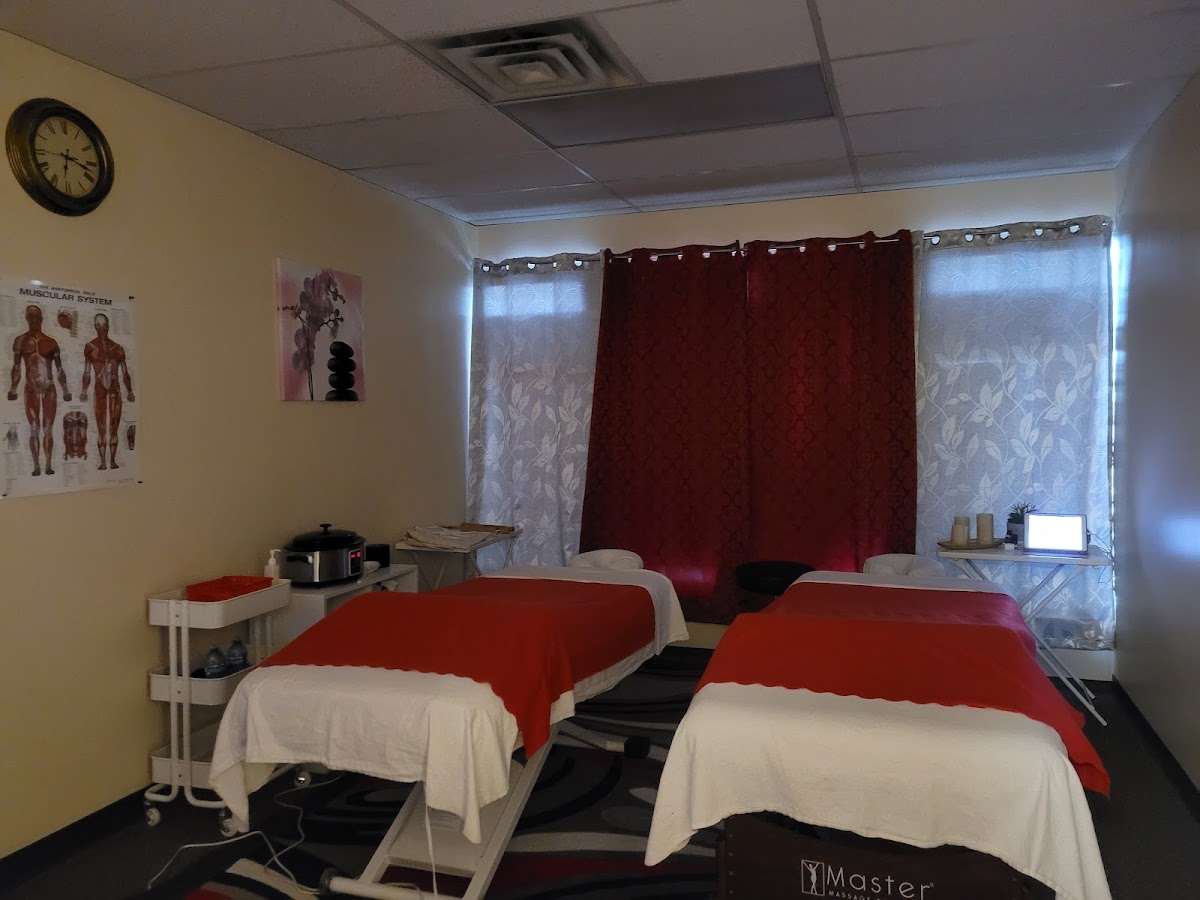
You will likely be asked to lie down on a massage table, either fully clothed or with specific areas exposed, depending on the therapist’s approach.
What Happens During the Session?
- Initial Assessment: The therapist will begin by discussing your medical history and any specific areas of concern.
- Application of Techniques: Using gentle pressure and stretching techniques, the therapist will focus on areas of tension.
- Feedback: You will be encouraged to provide feedback throughout the session to ensure comfort and efficacy.
Aftercare
After your session, it’s essential to drink plenty of water to stay hydrated and help flush out toxins released during the treatment. Some individuals may experience mild soreness, similar to that following a workout, but this should subside within a day.
Finding a Qualified Myofascial Release Therapist in Alberta
When seeking myofascial release therapy in Calgary or Edmonton, it’s crucial to choose a qualified practitioner. In Alberta, registered massage therapists (RMTs) must complete a recognized massage therapy program and adhere to specific regulations.
Pricing Expectations
The cost of a myofascial release session can vary based on the practitioner’s experience and the location. In Calgary and Edmonton, you can expect to pay approximately $85 to $120 for a 60-minute session.
Local Trends in Alberta
As wellness continues to gain traction across Alberta, many massage therapy clinics are incorporating myofascial release into their services. Look for facilities that emphasize holistic approaches to wellness and offer a range of therapeutic options.
Conclusion
Understanding the therapeutic benefits of myofascial release can empower Albertans to take charge of their wellness journey. With its focus on relieving muscle tension, improving mobility, and promoting relaxation, this technique is a valuable tool for anyone seeking to enhance their quality of life.
As you consider incorporating myofascial release into your wellness routine, remember to choose a qualified registered massage therapist in your area. Whether you live in Calgary or Edmonton, the potential benefits of this specialized massage technique await you. Take the next step towards relief and recovery by exploring myofascial release as part of your holistic health strategy. The vibrant lifestyle of Alberta deserves nothing less than optimal wellness.