Exploring Neurofascial Release: A Specialized Massage Technique in Alberta
In an era where stress and physical discomfort are prevalent, many individuals are seeking effective treatments to alleviate pain and enhance overall wellbeing. One such method gaining recognition in Alberta is Neurofascial Release (NFR), a specialized massage technique that intricately connects the nervous system and fascia. This article serves as a comprehensive guide to understanding NFR, its benefits, and its applications, especially within the vibrant wellness landscape of Calgary and Edmonton.
Understanding Neurofascial Release
What is Neurofascial Release?
Neurofascial Release is a manual therapy technique that focuses on the fascia—the connective tissue surrounding muscles, nerves, and organs—and the nervous system. Unlike traditional massage methods that primarily target muscle tension, NFR aims to address the deeper layers of the fascia and the neural pathways connected to it. This therapy is characterized by gentle yet specific techniques that promote the body's natural healing processes.
How Does Neurofascial Release Work?
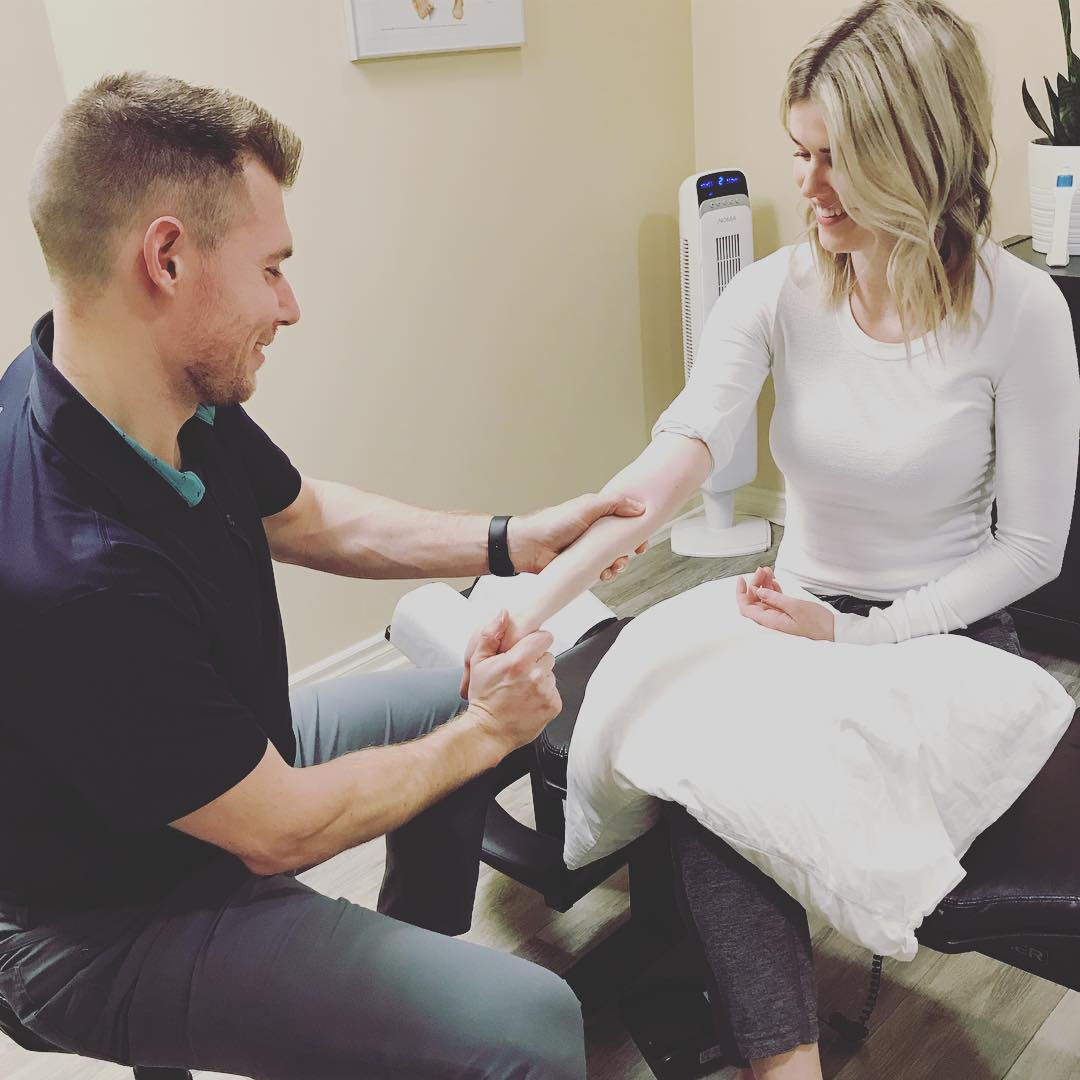
The NFR technique involves applying sustained pressure to specific areas of the body to facilitate the release of tension and restrictions within the fascia. This approach stimulates the nervous system, encouraging a relaxation response that can lead to improved circulation, reduced pain perception, and enhanced mobility. The gentle pressure used in NFR helps to reset the body's proprioceptive feedback loop, allowing for better coordination and balance.
Who Benefits from Neurofascial Release?
NFR can be particularly beneficial for individuals experiencing:
- Chronic pain conditions (e.g., fibromyalgia, arthritis)
- Sports injuries or post-operative rehabilitation
- Stress-related tension and anxiety
- Migraines and tension headaches
- Limited range of motion or flexibility issues
Individuals of all ages can benefit from NFR, including athletes seeking to optimize their performance and those recovering from injuries. However, it is essential to consult with a healthcare professional or a Registered Massage Therapist (RMT) before beginning any treatment.
Key Benefits of Neurofascial Release
The advantages of NFR are multifaceted and can significantly enhance an individual's quality of life. Some key benefits include:
- Pain Relief: Helps alleviate chronic and acute pain by addressing the root causes rather than merely the symptoms.
- Improved Mobility: Enhances flexibility and range of motion in affected areas, promoting ease of movement.
- Stress Reduction: Induces a state of relaxation, reducing stress and anxiety levels.
- Enhanced Circulation: Promotes better blood flow, aiding in the healing of tissues.
- Neural Re-education: Helps reset dysfunctional movement patterns, improving coordination and balance.
The Methodology of Neurofascial Release
Techniques Used in Neurofascial Release
NFR employs a variety of techniques, including:
- Sustained Pressure: Applying gentle pressure to specific points to facilitate the release of tension in the fascia.
- Myofascial Stretching: Incorporating stretches to lengthen and release tight fascia and associated muscles.
- Joint Mobilization: Gently moving joints in conjunction with NFR techniques to improve overall mobility.
These techniques are often combined in a session tailored to the individual’s specific needs.
Comparing Neurofascial Release to Other Massage Techniques
While many therapeutic massage techniques exist, NFR stands out due to its focus on the nervous system and fascia. Here’s a brief comparison with other popular massage therapies:
- Deep Tissue Massage: Focuses on the deeper layers of muscle and connective tissue, often using firmer pressure. NFR, on the other hand, utilizes gentle pressure and emphasizes the connection to the nervous system.
- Swedish Massage: Primarily a relaxation technique that uses lighter strokes and kneading. NFR is more targeted and seeks to address specific restrictions and pain points.
- Thai Massage: Involves assisted stretching and acupressure techniques. NFR is more focused on fascia and the nervous system, with less emphasis on stretching.
What to Expect During a Neurofascial Release Session
Typical Session Duration
A typical NFR session lasts between 60 to 90 minutes. The duration may vary depending on the individual’s needs and the practitioner’s approach.
Positioning and Environment
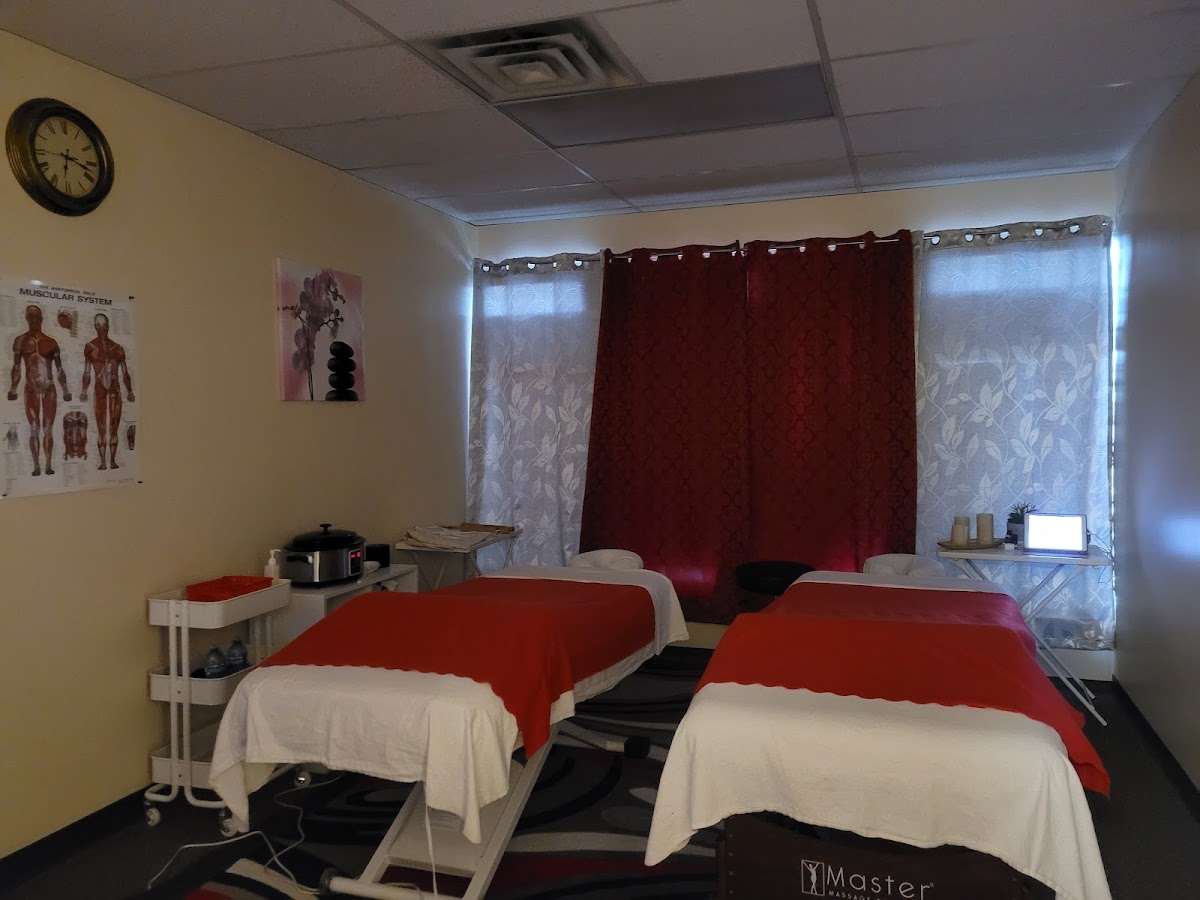
During the session, clients may be positioned on a massage table or futon, depending on the practitioner's preference and the techniques being used. The environment is usually calm and soothing, often with dim lighting and gentle background music to promote relaxation.
What Happens During the Session?
- Initial Assessment: The practitioner will conduct a thorough assessment of your condition, discussing your medical history and specific areas of concern.
- Gentle Techniques: The practitioner will employ NFR techniques, applying sustained pressure to targeted areas, often communicating with you to ensure your comfort.
- Feedback and Adjustment: Throughout the session, the therapist will ask for feedback to adjust pressure and techniques as needed.
- Post-Treatment Discussion: After the session, the therapist may provide guidance on aftercare and what to expect in the coming days.
Preparation and Aftercare for Neurofascial Release
Preparing for Your NFR Session
To maximize the benefits of your NFR session, consider the following tips:
- Stay Hydrated: Drink plenty of water before and after your session to help flush out toxins released during treatment.
- Wear Comfortable Clothing: Opt for loose-fitting attire that allows freedom of movement.
- Arrive Early: Arriving early allows you to relax and mentally prepare for your session.
Aftercare Recommendations
Post-session care can enhance the effectiveness of NFR:
- Gentle Movement: Engage in light stretching or gentle activities to keep your body relaxed.
- Hydration: Continue to drink water to support the detoxification process.
- Rest: Allow your body to rest and recover, especially if you experience any post-treatment soreness.
Finding a Neurofascial Release Practitioner in Alberta
Regulations and Registered Massage Therapists (RMTs) in Alberta
In Alberta, massage therapy is regulated, and practitioners are required to be certified as Registered Massage Therapists (RMTs). RMTs have undergone extensive training and are knowledgeable about various massage techniques, including NFR. When searching for an NFR practitioner in Calgary or Edmonton, look for RMTs who specialize in this technique.
Cost of Neurofascial Release in Calgary and Edmonton
The cost of NFR sessions can vary based on the practitioner's experience and location. In Calgary and Edmonton, you can expect to pay between $85 to $120 for a 60-minute session. Always inquire about pricing when booking your appointment.
Local Trends in Alberta’s Wellness Landscape
The wellness industry in Alberta is thriving, with an increasing number of practitioners offering specialized treatments like NFR. As more people recognize the importance of holistic health approaches, the demand for advanced therapies continues to grow. This trend reflects a broader commitment to health and wellness in Alberta, making it an exciting time to explore various therapeutic options.
Conclusion
Neurofascial Release is a powerful and specialized massage technique that offers numerous benefits for pain relief, improved mobility, and stress reduction. With its unique focus on the nervous system and fascia, NFR presents a compelling option for individuals seeking holistic solutions to their wellness needs.
As you consider incorporating NFR into your health routine, remember to consult with a qualified Registered Massage Therapist in Alberta who can tailor the experience to your specific needs. By doing so, you’ll be taking an important step toward enhancing your overall wellbeing.
When searching for Neurofascial Release services in Calgary or Edmonton, look for certified practitioners who can guide you through the process and help you achieve optimal results. Embrace the journey towards a healthier, more balanced life today!