Understanding the Benefits of NeuroMuscular Therapy for Alberta's Physical Wellness
In the picturesque provinces of Alberta, where outdoor activities are a way of life, many residents find themselves grappling with the physical toll these seasonal pursuits can create. Whether it's skiing in the Rockies, hiking through lush trails, or engaging in sports, the demands on the body can lead to muscle tension, pain, and decreased mobility. This is where NeuroMuscular Therapy (NMT) comes into play—a specialized massage technique designed to alleviate these issues. In this comprehensive guide, we will explore the benefits of NMT, detailing its techniques, physiological mechanisms, and practical applications for those in Calgary and Edmonton.
What You Need to Know About NeuroMuscular Therapy
What is it?
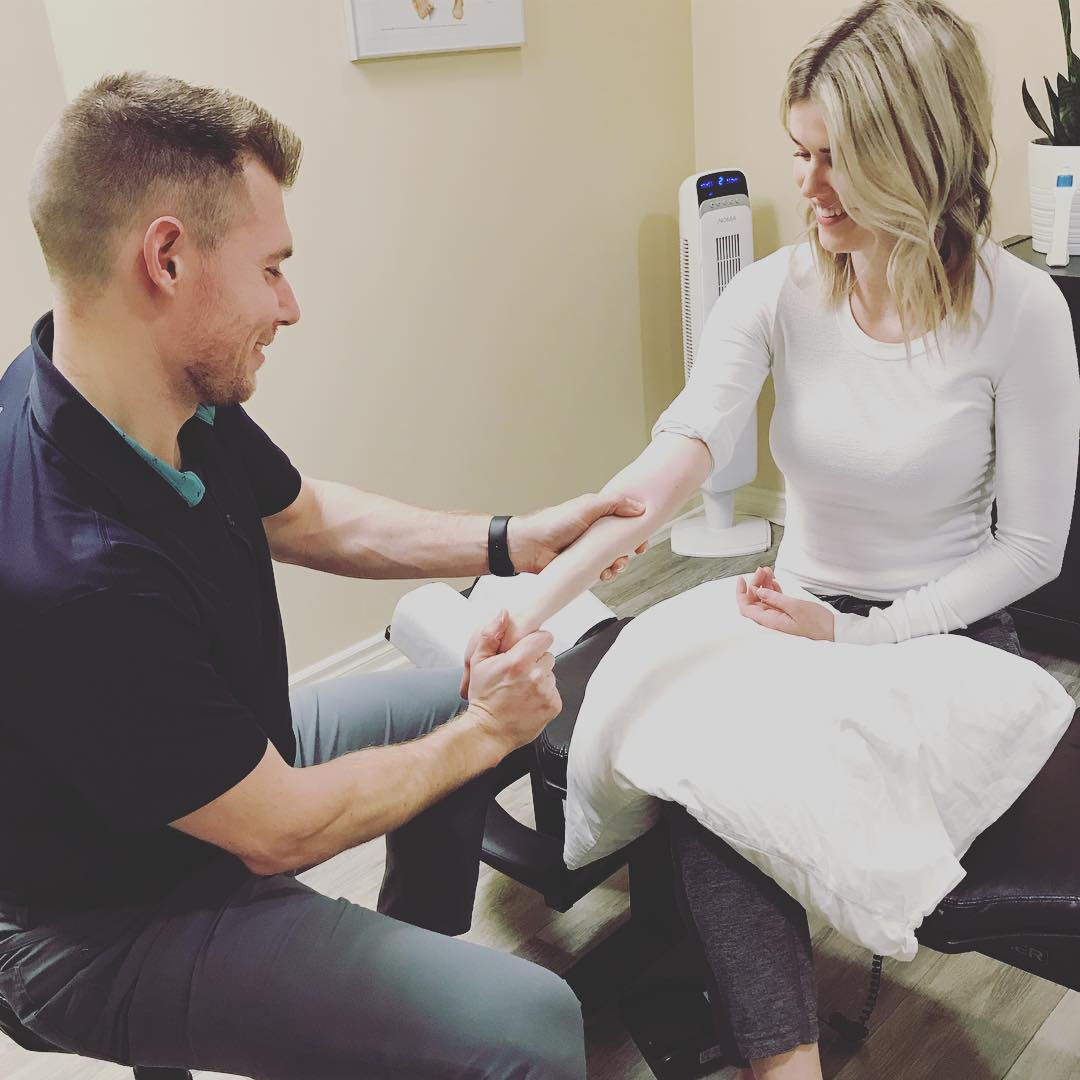
NeuroMuscular Therapy is a specialized form of manual therapy that focuses on releasing trigger points in muscles to alleviate pain and improve movement. Developed in the late 20th century, NMT combines principles from various massage therapies and physical therapy techniques, specifically targeting the nervous system and musculoskeletal system.
How it works
NMT works by identifying and treating trigger points—hyperirritable spots in muscle tissue that can cause pain and dysfunction in other body areas. By applying specific strokes, pressure, and movements, therapists can help restore blood flow, reduce muscle tension, and improve overall muscle function.
Who it's for
This therapy is particularly beneficial for individuals dealing with chronic pain, tension, or injuries related to sports, work, or daily life. It is also suitable for anyone looking to enhance their physical performance or recovery in Alberta’s active environment.
Key benefits
- Pain relief: Reduces chronic pain and discomfort.
- Improved mobility: Enhances range of motion in affected areas.
- Stress reduction: Alleviates tension and promotes relaxation.
- Enhanced circulation: Increases blood flow, aiding recovery and overall wellness.
The Physiological Mechanisms Behind NeuroMuscular Therapy
NMT operates on several physiological levels, primarily affecting the muscles, circulation, and nervous system. Here’s how:
- Muscle Function: By targeting trigger points, NMT helps release muscle tension, which can lead to improved performance and reduced pain during physical activities.
- Circulation: NMT stimulates blood circulation, enhancing nutrient delivery to muscles and promoting healing in injured or strained areas.
- Nervous System: The therapy engages the nervous system, helping to reset the body’s pain response. By reducing the hyperactivity of nerve signals, NMT can effectively minimize discomfort.
Comparing NeuroMuscular Therapy to Other Massage Techniques
While NMT is a powerful tool for addressing pain and dysfunction, understanding how it compares to other massage modalities can help you make informed decisions about your wellness journey.
- Deep Tissue Massage: Similar to NMT, deep tissue massage targets deeper muscle layers. However, it generally employs broader strokes and a more general approach, whereas NMT is precise and focuses specifically on trigger points.
- Swedish Massage: This technique uses lighter pressure and longer strokes aimed at relaxation. While beneficial for stress relief, it may not effectively address specific muscle pain like NMT.
- Thai Massage: Incorporating stretching and yoga-like movements, Thai massage is more dynamic and focuses on energy lines. NMT, in contrast, is more static and pinpointed.
Indications and Contraindications for NeuroMuscular Therapy
Who benefits most?
NMT is particularly advantageous for:
- Athletes recovering from injuries
- Individuals with chronic pain conditions, such as fibromyalgia
- Those experiencing postural issues or repetitive strain injuries
When to avoid it
However, there are contraindications where NMT should be avoided, including:
- Open wounds or skin infections
- Recent surgeries or fractures
- Severe osteoporosis
- Certain cardiovascular conditions
What to Expect During a NeuroMuscular Therapy Session
If you’re considering NMT, understanding what to expect can alleviate any apprehensions.
- Duration: A typical session lasts between 60 to 90 minutes.
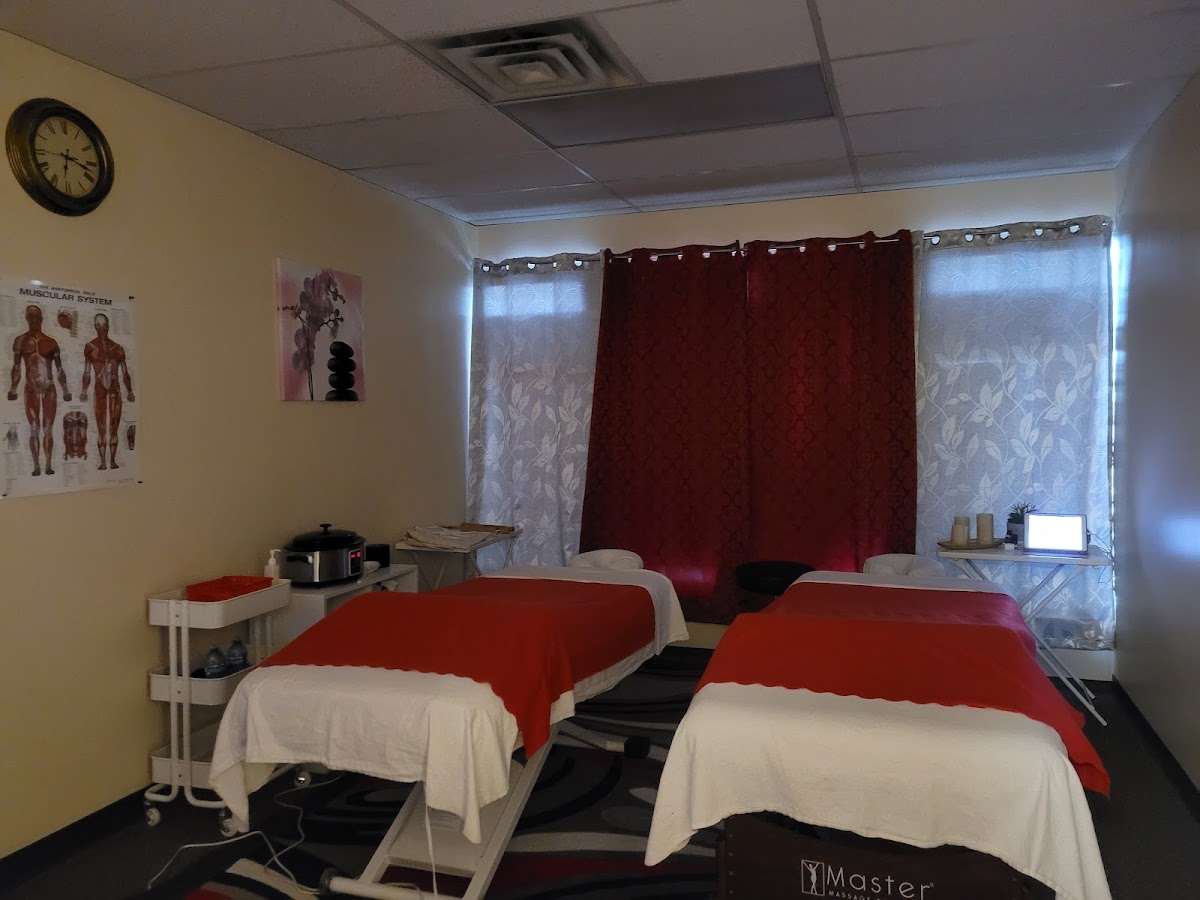
- Positioning: You will be positioned comfortably, often lying face down, while the therapist works on your specific muscle groups.
- Techniques Used: Expect the therapist to use a combination of sustained pressure, deep strokes, and stretching techniques to access trigger points. Communication is vital, so don’t hesitate to discuss comfort levels throughout the session.
Preparation and Aftercare for Your NMT Session
To maximize the benefits of your session, consider these tips:
- Preparation:
- Arrive hydrated and avoid heavy meals before your appointment.
- Wear comfortable clothing that allows access to the areas needing treatment.
- Aftercare:
- Drink plenty of water post-session to help flush out toxins released during treatment.
- Rest and allow your body time to recover; mild soreness is normal and can be alleviated with gentle stretching.
Finding Qualified NeuroMuscular Therapists in Alberta
When seeking NMT in Alberta, particularly in urban centers like Calgary and Edmonton, ensure you choose a qualified practitioner. Here are some tips:
- Look for RMT Certification: In Alberta, Registered Massage Therapists (RMT) must complete specific training and adhere to regulatory standards, ensuring a high level of professionalism.
- Research Experience: Seek therapists who specialize in NMT and have a solid track record with similar issues.
- Read Reviews: Online reviews can provide insights into other clients' experiences.
Pricing for NeuroMuscular Therapy in Calgary and Edmonton
The cost of NMT sessions in Alberta can vary based on the therapist's qualifications and location. On average, you can expect to pay:
- Calgary: $85-$120 for a 60-minute session.
- Edmonton: $80-$115 for a similar duration.