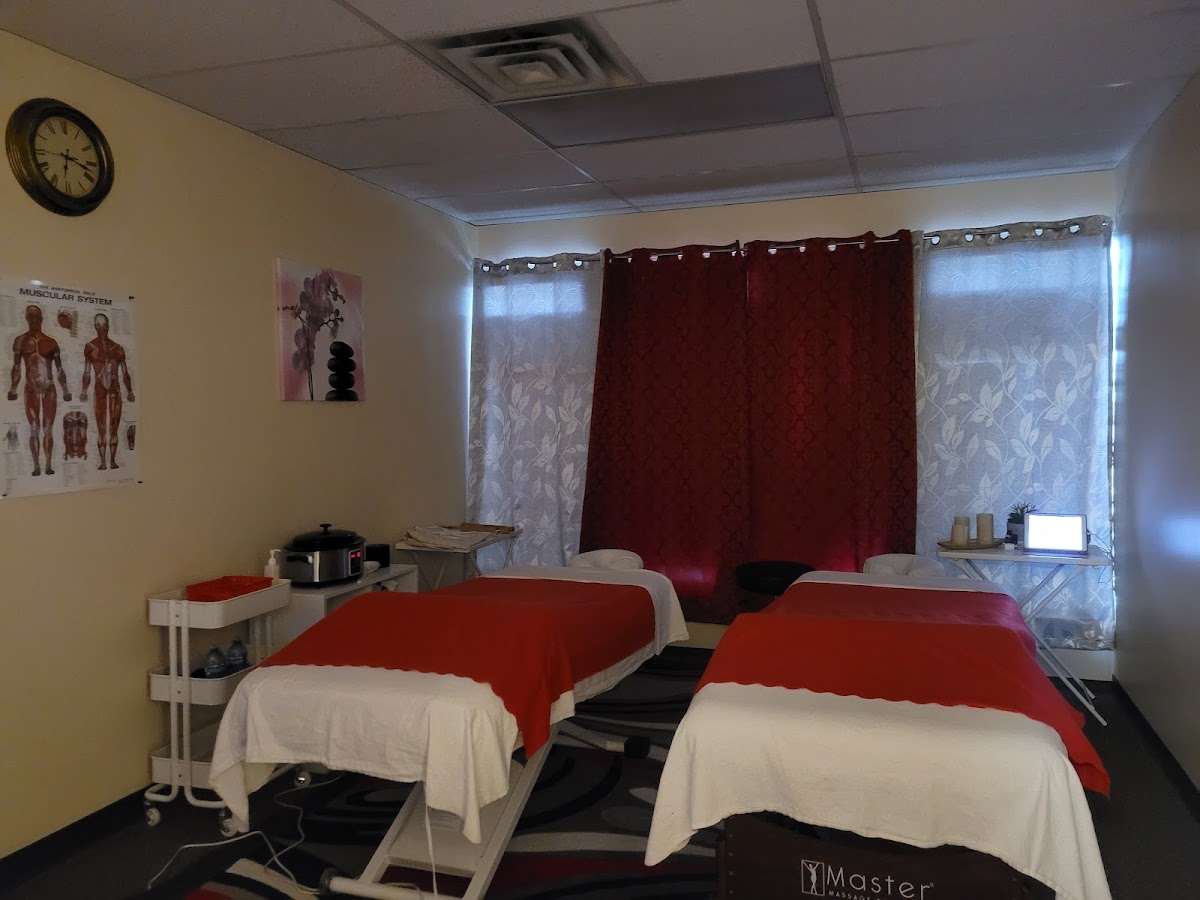
Exploring the Unique Benefits of Sports Massage for Calgary's Athletes
In a city renowned for its vibrant sports culture, Calgary's athletes continually seek methods to enhance their performance and expedite recovery. Among the various strategies available, sports massage has emerged as a powerful tool. This specialized form of therapeutic massage is tailored to meet the unique demands of athletes, helping them achieve optimal physical wellness. This article will explore the unique benefits of sports massage for Calgary's athletes, providing insights into its techniques, physiological effects, and practical implications for performance and recovery.
Understanding Sports Massage
What is Sports Massage?
Sports massage is a specialized form of massage therapy designed specifically for athletes. It incorporates a variety of techniques aimed at enhancing sports performance, preventing injuries, and facilitating recovery. Unlike relaxation massages, which primarily focus on relieving stress and promoting relaxation, sports massage targets specific muscle groups involved in athletic activities.
How It Works
Sports massage works by manipulating soft tissues, including muscles, tendons, and ligaments. This manipulation increases blood flow, improving circulation and oxygen delivery to muscles. Additionally, it helps to break down scar tissue from previous injuries, reducing muscle stiffness and promoting flexibility. The techniques used in sports massage can vary based on the athlete's needs and the specific sport they participate in.
Who It's For
Sports massage is beneficial for athletes of all levels, from casual runners to professional sports players. It is particularly advantageous for those engaged in high-intensity training or competitive sports, as it aids in injury prevention and performance enhancement. Additionally, non-athletes who engage in regular physical activity or suffer from muscle tension can also benefit from sports massage.
Key Benefits
The benefits of sports massage are multifaceted and can significantly impact an athlete's training and overall well-being. Some key advantages include:
- Enhanced Performance: By improving flexibility and range of motion, sports massage can lead to better athletic performance.
- Faster Recovery: The increased circulation aids in the removal of metabolic waste and promotes healing, helping athletes recover more quickly from intense workouts or injuries.
- Injury Prevention: Regular sports massage can help identify and address muscle imbalances, reducing the risk of injuries.
- Reduced Muscle Tension: Techniques used in sports massage alleviate muscle tightness and soreness, contributing to overall physical comfort.
- Improved Mental Focus: The therapeutic effects of sports massage can help athletes manage stress and enhance mental clarity during competitions.
The Techniques of Sports Massage
Sports massage employs various techniques that cater to the specific needs of athletes. Understanding these techniques can help athletes maximize their massage sessions.
Techniques Used in Sports Massage
- Effleurage: This technique involves long, gliding strokes, which help to warm up the muscles and promote relaxation. It is often used at the beginning and end of a massage session.
- Petrissage: This involves kneading and squeezing the muscles, which helps to improve circulation and relieve muscle tension.
- Friction: Small, circular movements applied to specific muscle areas help to break down adhesions and scar tissue, providing relief from chronic pain and stiffness.
- Tapotement: This technique employs rhythmic tapping or percussion on the muscles, stimulating blood flow and invigorating the body.
- Stretching: Passive stretching techniques can enhance flexibility and prevent muscle tightness.
These techniques can be modified based on the athlete's needs, the intensity of their training, and their specific sports discipline.
Physiological Mechanisms of Sports Massage
Understanding the physiological mechanisms behind sports massage can further illustrate its effectiveness for athletes.
Effects on Muscles
Sports massage promotes muscle recovery by improving blood flow and nutrient delivery. When muscles are manipulated, the increased circulation helps to flush out metabolic waste products, such as lactic acid, which can accumulate during intense exercise. This process aids in reducing muscle soreness and stiffness.
Circulatory System Benefits
Enhanced circulation is one of the primary benefits of sports massage. As blood flow increases, oxygen delivery to the muscles improves, promoting faster recovery and overall performance. Furthermore, improved circulation can help regulate blood pressure and enhance cardiovascular health.
Nervous System Influence
Sports massage has a significant impact on the nervous system. By stimulating sensory receptors in the skin and muscles, it can help reduce anxiety and promote relaxation. This nervous system response can lead to a state of mental clarity, allowing athletes to focus better during training and competitions.
Overall Well-being
Regular sports massage contributes to overall well-being by reducing stress levels and promoting relaxation. The therapeutic effects of massage can lead to improved sleep patterns, better mood regulation, and enhanced mental resilience—factors that are crucial for athletic performance.
Comparing Sports Massage with Other Types
While sports massage offers unique benefits, it is essential to differentiate it from other popular massage types.
Sports Massage vs. Deep Tissue Massage
- Purpose: Deep tissue massage focuses on relieving chronic muscle tension and pain, while sports massage is designed specifically for enhancing athletic performance and recovery.
- Techniques: Both types may use similar techniques, but sports massage incorporates a broader range of techniques tailored for athletic needs, including stretching and active release.
Sports Massage vs. Swedish Massage
- Pressure: Swedish massage generally uses lighter pressure aimed at relaxation, while sports massage utilizes deeper pressure to target specific muscle groups and facilitate recovery.
- Focus Areas: Swedish massage focuses on overall relaxation, while sports massage is more targeted towards specific muscle groups based on the athlete's sport and training needs.
Sports Massage vs. Thai Massage
- Mobility: Thai massage incorporates yoga-like stretching and is performed with the recipient fully clothed. Sports massage, on the other hand, typically requires the recipient to be undressed to allow for direct access to the muscles.
- Technique: Thai massage uses pressure points and stretching, while sports massage focuses on manipulation and soft tissue techniques specific to athletic recovery.
Indications and Contraindications for Sports Massage
Who Benefits Most
Athletes engaged in high-intensity training, those recovering from injuries, and individuals experiencing muscle tension or discomfort are prime candidates for sports massage. This therapy is especially beneficial for:
- Runners and cyclists who endure repetitive strain
- Team sport athletes who experience muscle fatigue from intense training
- Those recovering from an injury looking to regain muscle strength and flexibility
When to Avoid Sports Massage
While sports massage is generally safe, there are contraindications where it should be avoided, including:
- Acute Injuries: Fresh injuries, such as sprains or strains, should be treated with rest and ice initially, not massage.
- Skin Conditions: Open wounds, rashes, or infections should be avoided to prevent further irritation or infection.
- Medical Conditions: Individuals with certain medical conditions, such as deep vein thrombosis or severe cardiovascular issues, should consult with a healthcare professional before receiving a massage.
What to Expect During a Sports Massage Session
Preparing for a sports massage involves understanding what to expect during the session.
Session Duration
Typically, a session lasts between 60 to 90 minutes. The length may vary based on the athlete's needs and the areas being targeted.
Positioning
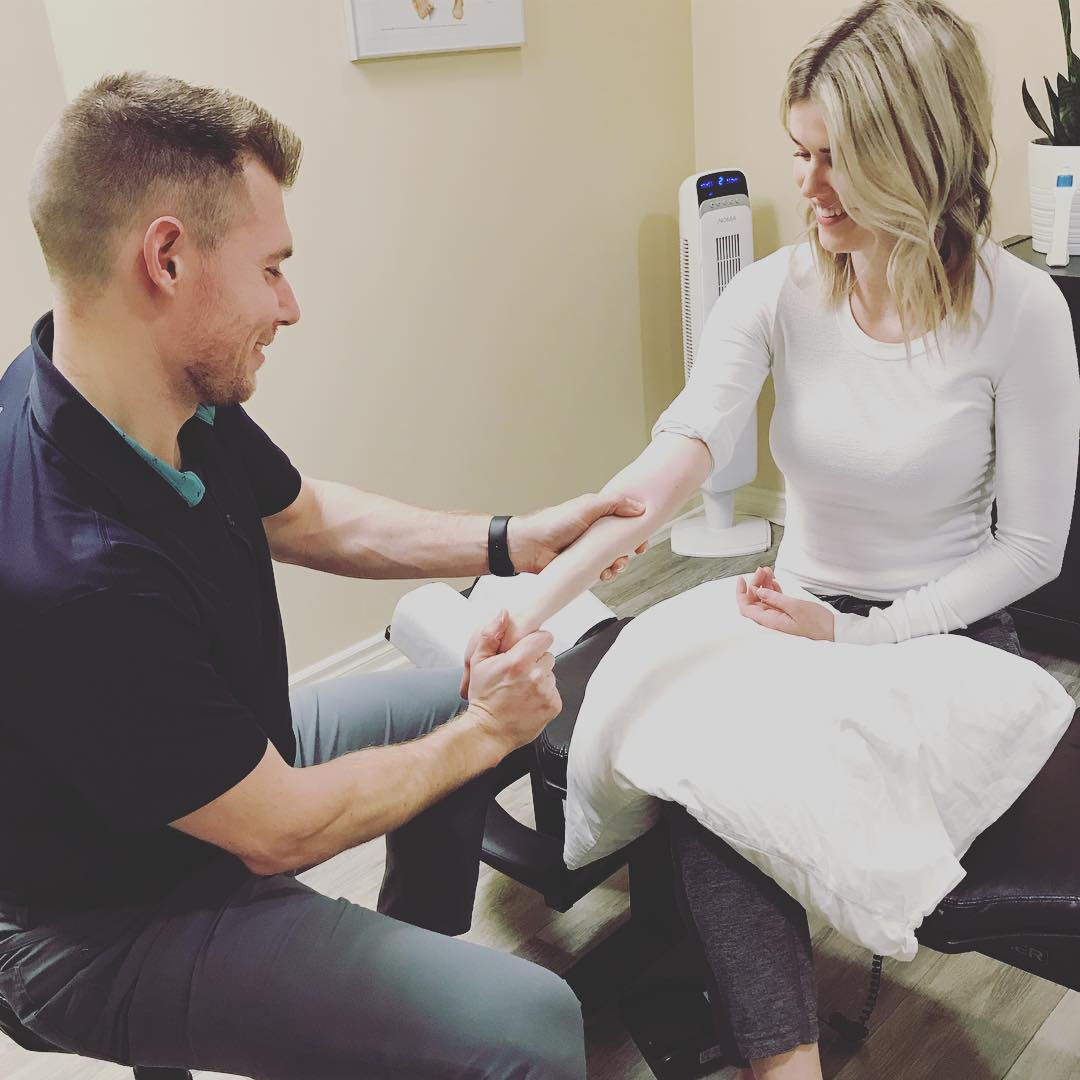
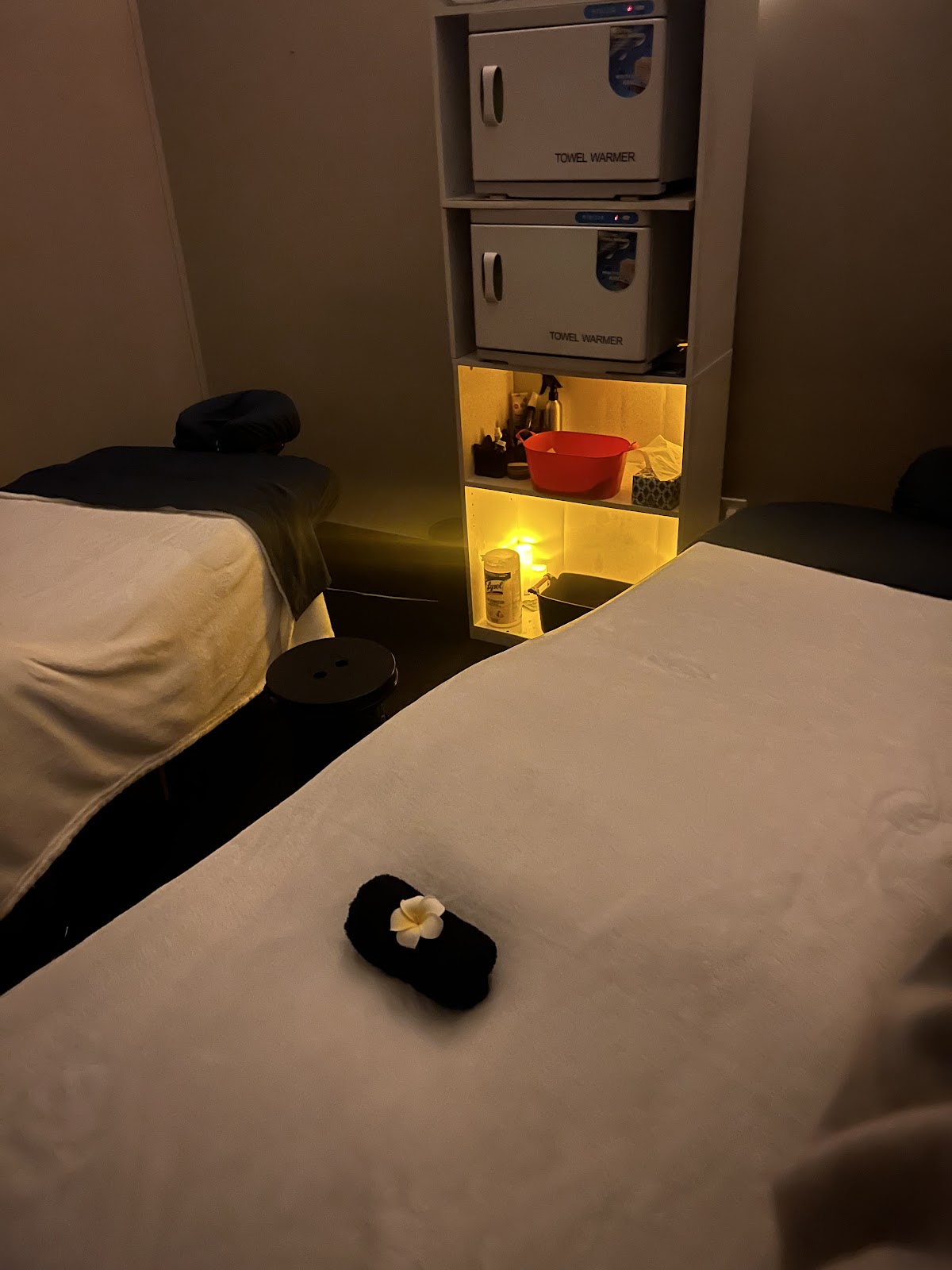
Athletes will usually be positioned on a massage table, either lying face down or sitting, depending on the area being treated. A qualified therapist will ensure that the athlete is comfortable and properly aligned before beginning the massage.
What Happens During the Session
- Consultation: The session typically begins with a brief consultation where the therapist discusses the athlete's training regimen, specific concerns, and areas of tension.
- Warm-Up: The therapist may start with effleurage strokes to warm up the muscles before progressing to deeper techniques.
- Targeted Techniques: Depending on the athlete's needs, the therapist will apply various techniques such as petrissage, friction, and stretching.
- Cool Down: The session will conclude with lighter strokes to promote relaxation and allow the body to transition back to a resting state.
Preparing for Your Sports Massage
To maximize the benefits of sports massage, athletes should consider the following preparatory steps:
Before the Session
- Hydrate: Drink plenty of water before your session to ensure optimal hydration, which aids in recovery.
- Communicate: Be open with your therapist about your training routine, any specific areas of concern, and your massage preferences.
- Wear Comfortable Clothing: Depending on the type of massage, wear clothing that allows easy access to muscle groups if necessary.
Aftercare
- Hydration: Continue drinking water post-massage to help flush out toxins released during the treatment.
- Rest: Allow your body time to recover after the massage, particularly if deep techniques were used.
- Gentle Movement: Engage in light stretching or gentle movement to maintain muscle flexibility.
Cost of Sports Massage in Calgary and Edmonton
The cost of sports massage services can vary based on location, the therapist's experience, and session length. In Calgary and Edmonton, prices typically range from $85 to $120 for a 60-minute session, with longer sessions costing more. Many practitioners also offer package deals for multiple sessions, which can provide additional savings.
Finding a Qualified Practitioner in Alberta
When seeking a sports massage therapist in Calgary or Edmonton, it's essential to ensure that they are certified and registered. Look for practitioners who are Registered Massage Therapists (RMTs) as they are regulated and have met specific educational standards set forth by the province.
What to Look For
- Qualifications: Ensure the therapist has the necessary training and certifications in sports massage.
- Experience: Consider therapists with experience working with athletes in your specific sport.
- Client Reviews: Look for feedback from previous clients to gauge the therapist's effectiveness and approach.
Conclusion
In summary, sports massage offers unique benefits that can significantly enhance athletic performance, aid recovery, and prevent injuries for Calgary's athletes. By understanding the techniques, physiological mechanisms, and practical applications of sports massage, athletes can make informed decisions about incorporating this therapeutic practice into their training regimen.
As you explore the world of sports massage, remember to seek qualified practitioners who can tailor their services to meet your specific needs. By prioritizing your physical wellness through sports massage, you equip yourself with a valuable tool in your athletic journey, ensuring you remain at the top of your game in Alberta's competitive landscape.
When searching for sports massage services in Calgary or Edmonton, look for certified practitioners who can help you achieve your wellness goals and unlock your full athletic potential.